The best equipment for pros and enthusiasts alike








 Professions
During your outings, whether for one night or several days, meals are an essential and unavoidable moment to fully enjoy your excursion. On this subject, it's important not to neglect the volume and weight that your rations can represent in your bag. The bulk related to your meals will vary depending on the duration of your outing, which is why it's essential to anticipate it.
Table of contents:
There is now an alternative that addresses excessive bulk while ensuring quality nutrition: dehydrated food.
Freeze-drying is a food preservation method that today gives the best results among all preservation solutions in terms of taste and appearance of foods, shelf life, nutritional values, weight, volume and preparation method.
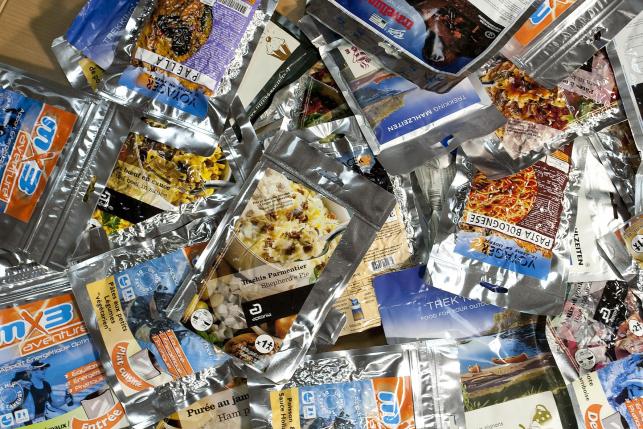
Freeze-dried dishes are easily storable, notably with their small format as well as their long shelf life. The choice of recipes is vast and is not limited to hot meals. Indeed, there are dessert recipes, breakfasts, fruits and cheeses. The diversity of freeze-dried and dehydrated recipes allows for offering selections that will suit people with food intolerances, while delighting everyone's taste buds.

To obtain a freeze-dried dish, it is first necessary to cook this dish. Once this step is completed and the ingredients have simmered, the producer freezes this preparation using a freeze-dryer (down to -40°C). In a second step, it is necessary to remove the air present in the device, before moving the freeze-dryer from a temperature of -40 to 0°C. In this case, sublimation is used. This technique transforms the water present in the food from solid to gaseous state without passing through the liquid state.
Freeze-dried food has several advantages:
The only notable disadvantage of freeze-drying is primarily the cost. Indeed, it is higher than for dehydrated dishes or those that combine both methods.
Furthermore, freeze-drying ensures preservation of more than 95% of the product's nutritional values, compared to only 60% for a dehydrated meal.
Unlike freeze-drying, dehydration consists of preserving food through hot drying. Water elimination allows for increased preservation, but also reduces the weight of the food. Using this process consumes much less energy than the previous one, however it has a direct impact on the taste and nutritional quality of the product (dehydration can cause up to 10 to 50% losses).
This type of dish has a shelf life of 2 years after the manufacturing date, but the process is much less expensive than freeze-dried dishes.
Unlike freeze-dried meals, dehydrated dishes must be rehydrated with hot water.
Finally, there is a third process that combines both previous methods. This method allows for cooking larger productions, by dehydrating or freeze-drying only one ingredient in large quantities, so that manufacturing costs decrease. Less fragile foods can be dehydrated, like starches, and can be combined with freeze-dried products, like meat, which will retain their quality.
Of course, these meals are rehydrated with hot water and can sometimes lack flavor since they haven't simmered together during their initial preparation.
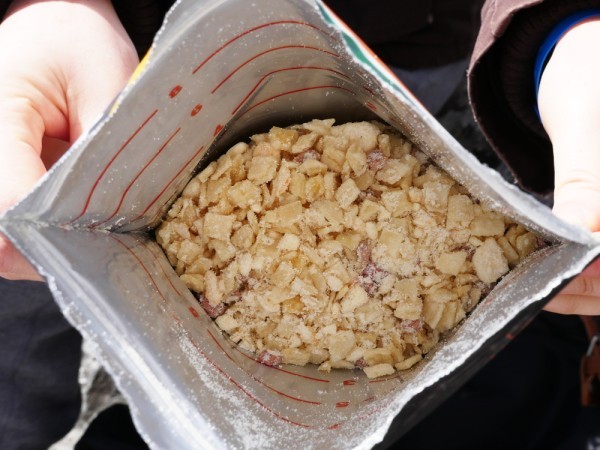
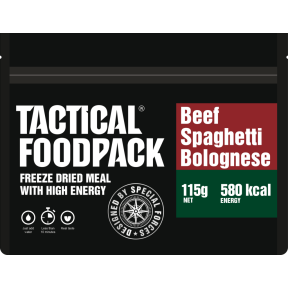
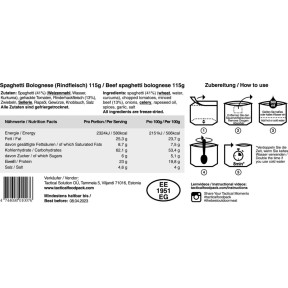
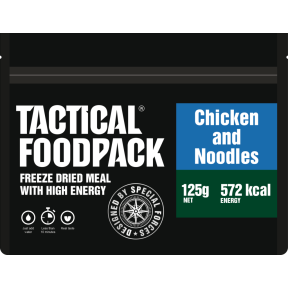
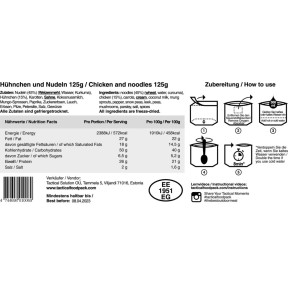
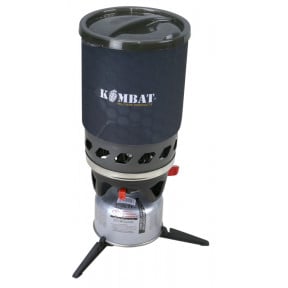
Using a rehydratable meal requires the use of water, usually hot, but can also be cold if the dish is freeze-dried. To do this, use your stove before filling the pouch up to the indicated limit. You just need to wait while your meal rehydrates. Some brands, like Tactical Foodpack also offer to heat the preparation directly inside the container by placing it over the fire.
The positive aspects of rehydratable meals:
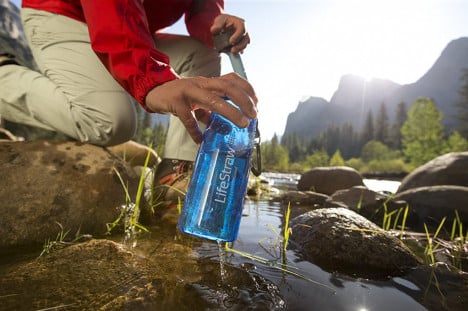
The only negative point that can be noted about rehydratable meals remains access to water. Indeed, if your bivouac setup is not located near a water source or you don't have enough left at the bottom of your water bottles, consuming this type of meal is not feasible.
Be careful though, portions are not always sufficient in terms of energy and calories, so don't hesitate to bring supplements like cereal bars for example.