The best equipment for pros and enthusiasts alike

 Professions
When we talk to you about winter bivouac, you directly think of the fantastic landscape you might observe. However, this kind of escapade involves more difficult aspects to consider, which is why it is essential to equip yourself properly in order to be well prepared.
Summary:
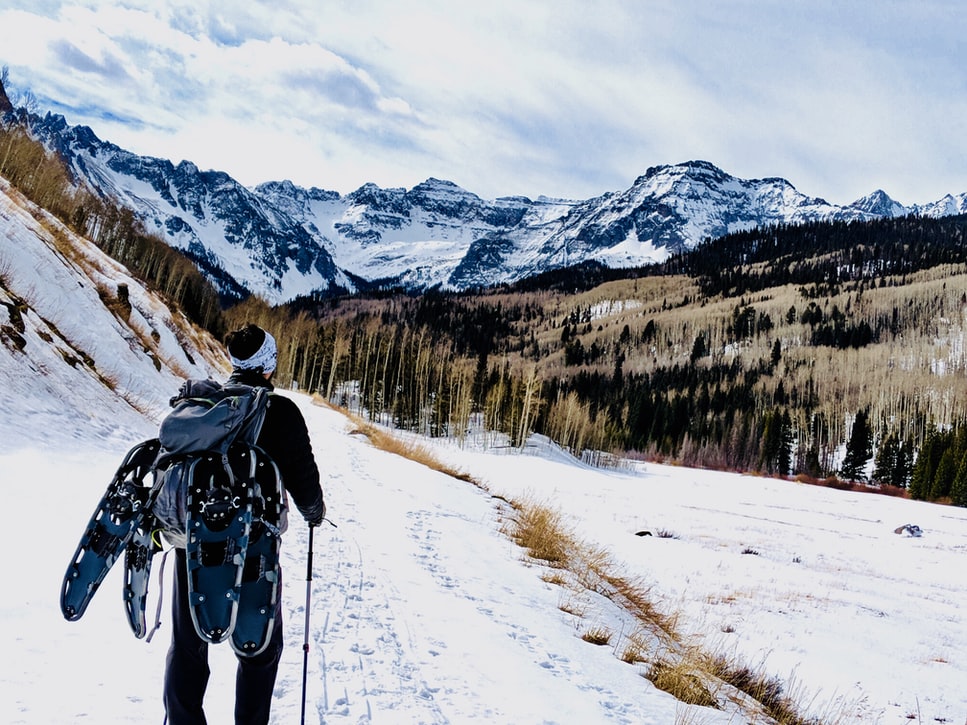
If you are going on a bivouac during the winter period, you will need to respect the three-layer rule (breathable / thermal / protective).
- The first layer, corresponds to the breathable layer whose function is to evacuate your perspiration. Water is the best ally of cold and will therefore be your worst enemy. Opt for a t-shirt made of wool or breathable synthetic fibers and forget cotton which is a hydrophilic material.
- The thermal layer will make up your second layer. Its function will be to preserve the heat produced by the body by trapping air. Choosing a fleece or wool sweater will be perfect for this intermediate protection.
- The third and last will be the protective layer. It will allow you to protect yourself from all external weather conditions such as rain, wind, but also snow. Choosing a down jacket or a hardshell jacket is ideal.
Each protection has specific functions. Indeed, clothing that meets a very specific need loses efficiency in other properties. For optimal protection, it is essential to maintain your equipment, as dirt and grease block the passage of air. Clothing that is too tight or too loose will not protect you as it should, which is why it is important to have clothes that fit properly.
Additionally, don't hesitate to browse the maintenance products from the Grangers brand, which will allow you to maintain, wash and even waterproof your equipment.
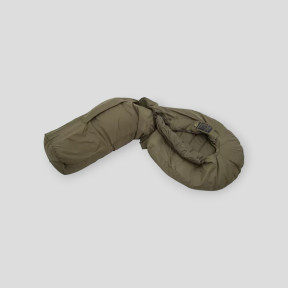
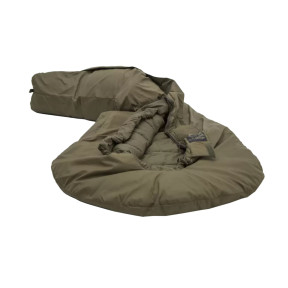
The sleeping bag will allow you to face the night, which is the coldest time of the day. A suitable sleeping bag will allow you to spend a comfortable night, but also to recharge as much as possible for the next day.
To make your choice, you must take into account three temperature levels: comfort, limit and extreme, determined taking into account:
- low humidity;
- limited clothing;
- limited air movement;
It is important to focus on the comfort temperature, as the limit and extreme temperatures will in no way ensure you a pleasant night.
The limit temperature will not be warm enough for low temperatures and the extreme temperature will be too warm and will make you sweat.
Additionally, if you want to get more information to choose your sleeping bag, don't hesitate to consult our 5 tips for choosing your sleeping bag.
When our body is in motion, we use energy to make the muscles work which generates heat. During your expedition, the goal is not to get too hot otherwise you will sweat. If this is the case, it is uncomfortable and lets heat escape. If you get too hot, it is advisable to use the openings and closures of your clothes, remove a layer or even slow down.
You must find the balance, where the cold is comfortable so as not to sweat. By staying dry, we limit perspiration through openings and therefore, the risk of being cold.

Before setting up, you must first know where the wind comes from. It is preferable to choose a natural shelter to avoid bad weather. It is colder in hollows, as cold air masses accumulate there while warm air rises. Set up on the median and not at the summit, where the wind is more or less strong. Face your tent towards the southeast to have the sun when you wake up and position it perpendicular to the wind direction to avoid icy drafts. Using a thick survival blanket under the tent will allow you to insulate yourself from the cold and ensure that the tent does not stick to the snow.
You must choose a favorable microclimate for your campsite, have a change of clothes and change after stopping at your bivouac site. If your tent is not sheltered by an existing element, make a wind wall 50 cm high about 3 meters from the tent, using snow or another natural element.
It is essential to dry your wet clothes for the next day by making a fire if conditions are favorable. For the evening, opt for a light and digestible meal with a hot drink, as the digestive system uses a large part of our body's energy to digest. You must eat sufficiently, but not excessively. Before sleeping, raise your body heat by doing some movements, but not too much, so as not to sweat.
You shouldn't dress too warmly in your sleeping bag. If you get too hot, you will sweat and your sleeping bag will no longer play its role. Opt for merino wool underwear, like those from the Woolpower brand. Don't forget to close your sleeping bag properly, your mouth and nose must be in the open air so as not to create condensation.
Using a hot water bottle and lightweight sleeping bag liners can increase your comfort during cold nights.
You should not hold back from urinating, as in addition to causing stomach aches, holding back consumes calories for nothing.
Your tent's ventilation must be open to avoid any condensation from your breathing during sleep.

You should absolutely not light your stove inside the tent, as many of them are extremely flammable and carbon monoxide accumulation can be fatal. Additionally, attempting to warm your sleeping bag with your stove is to be avoided. They are generally made from highly flammable materials.
Alcohol consumption is also not recommended, as alcohol dehydrates and transforms heat into a more intense feeling of cold. It is also not recommended to eat too much. Digestion is a huge consumer of oxygen and calories.
Contrary to popular belief, silk does not keep you warm. It helps cool the skin and can be used during your summer outings. If you are going on an outing during the summer period, don't hesitate to try our silk sheet from the Patrol brand.
Using a survival blanket rolled up in the sleeping bag should be forgotten, as you will create condensation and therefore wet your sleeping bag.