The best equipment for pros and enthusiasts alike











 Professions

Organic farming is a production and processing method with controlled designation and regulated by European legislation since 1991. It is a method that sets as objectives the respect for the environment, biodiversity and animal welfare. It constitutes an important part of sustainable development within production and French consumption. It concerns multiple agricultural sectors and is governed by strict requirements. Let's discover its main aspects in this article.
Summary:
Organic farming draws its origins from the impetus of agronomists, doctors, farmers and consumers. It was in the 1920s that they initiated an alternative mode of agricultural production, to favor soil work, autonomy and respect for the environment. In 1981, organic farming was officially recognized by French public authorities. For the management of the organization and development of this production method, a National Commission was created. A European community regulation takes up the principles established in France and applies them to plant production in 1991 then to animal production throughout Europe in 2000.
The main focus of organic farming is the use of processing methods aimed at maintaining nutritional qualities at all stages of manufacturing. Thus, organic products contain no colorants, no synthetic chemical flavors, no flavor enhancers. The authorized additives are heavily restricted (47 in number versus 300 in conventional agriculture). Most of them are, moreover, of agricultural or natural origin. They are only authorized in organic farming when their use is essential for the preparation or preservation of certain processed foods. Similarly, enrichment with vitamins, minerals, antioxidants or others is prohibited (except for special cases required by law, such as baby food jars). Finally, ionizing treatments are also prohibited as well as the use of pesticides.
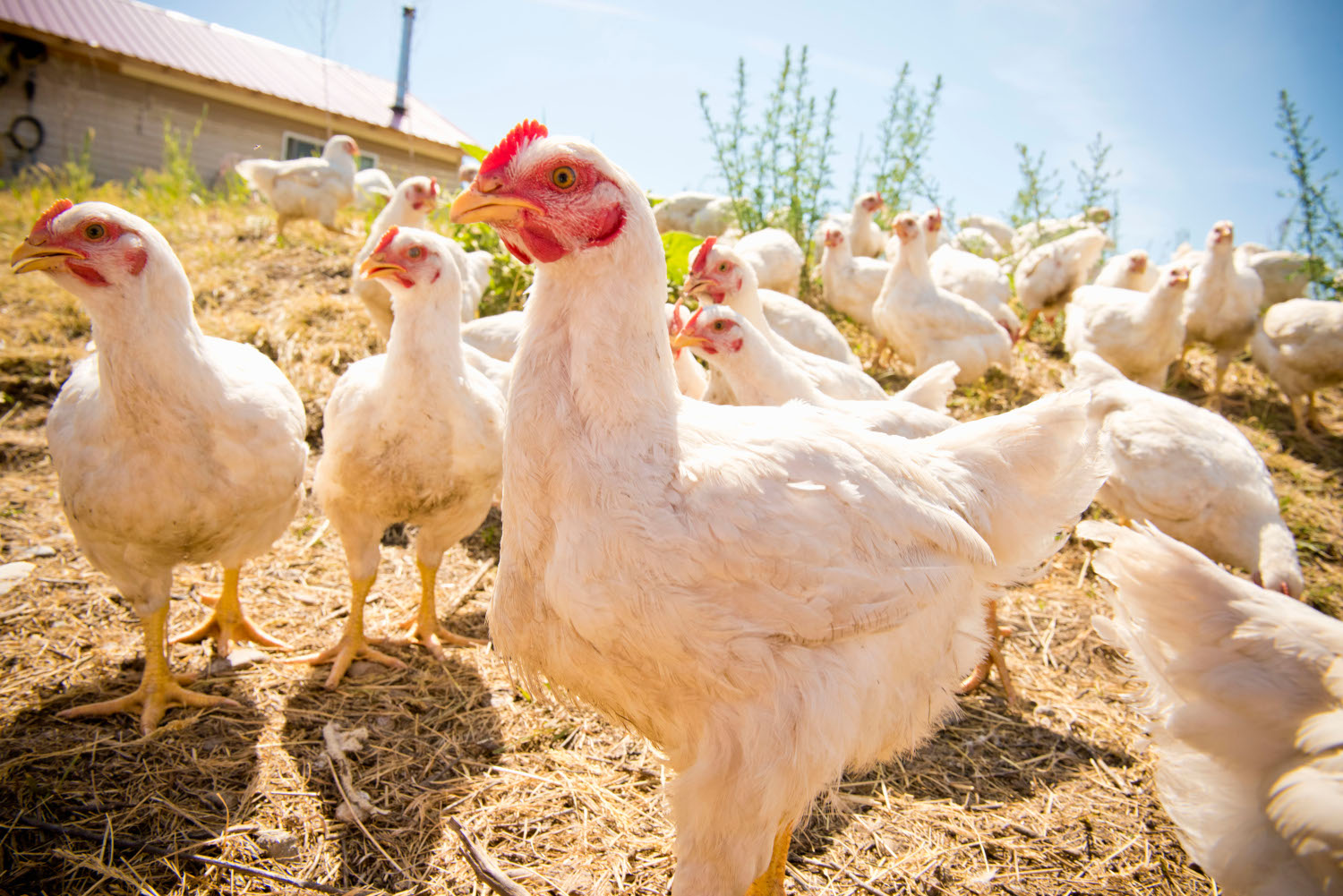
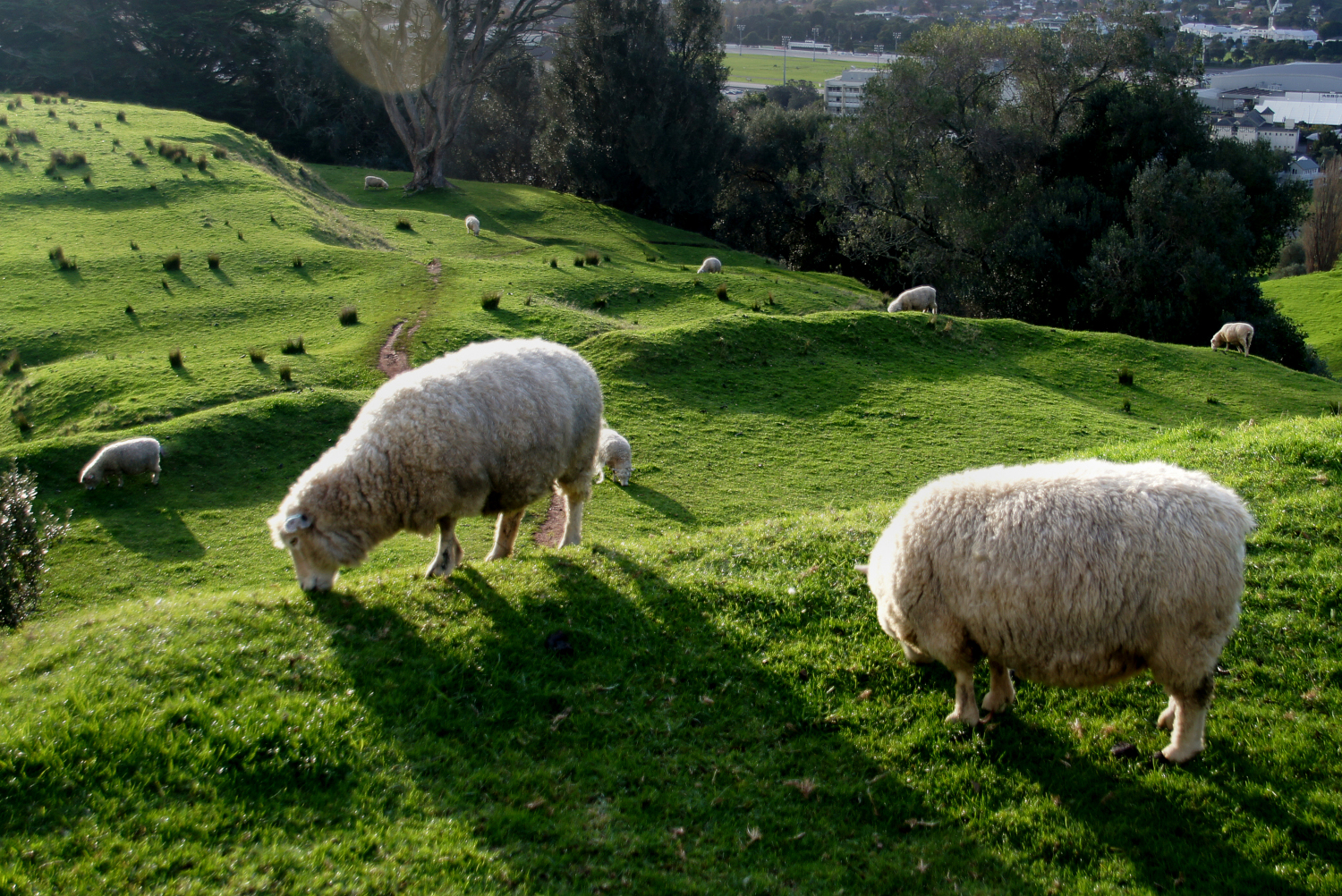
Besides healthier food processing, organic farming also ensures respect for animal welfare. A European regulation governs animal breeding to ensure respectful practices concerning the life of animals:
This ethics is also supervised annually by certifying bodies and control authorities whose role is to verify proper compliance with these conditions.
As specified above, organic farming makes it possible to avoid the use of synthetic products, additives or pesticides for better respect for the environment and animals. Agricultural practices are focused on prevention to protect crops from damage, diseases or weeds. Organic farming thus favors varieties of carefully selected seeds for their disease resistance. It also employs specific cultivation techniques that are specially adapted or even mechanical techniques to fight against weeds (soil work, thermal weeding, etc). To fight against harmful organisms, biological alternatives are recommended. As a last resort, in case of proven threat, a phytopharmaceutical treatment product can be used for care. These products remain however of natural origin.
These cultivation approaches promote healthy and fertile soil. Indeed, soil nutrition based on green fertilizers and organic products makes them richer and favorable to the development of ecosystems. The living organisms in the soil (earthworms, fungi, non-harmful insects, hedgehogs and other small animals) benefit from more intense activity and biodiversity. The soil lifespan is also extended with such factors, which increases its exploitation potential. The soils are therefore richer, structurally stable and suitable for water retention. This last point prevents drought in the affected crops. The water used for farming is also healthier. Organic farming also has a positive impact on the climate. Its practices have much less serious consequences on global warming than conventional crops. They ensure fewer polluting emissions or CO2 (which mainly return to the soil). Greenhouse gas emissions are limited thanks to the absence of use of synthetic chemicals.
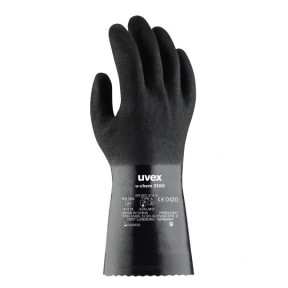
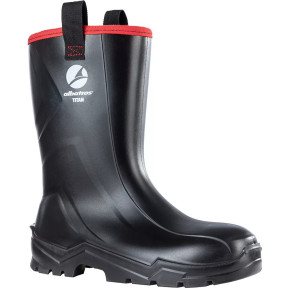
In terms of professions, organic farming promotes job creation. The sector offers a wide selection of careers. Breeders, horticulturists, market gardeners, winegrowers and many other producers can be involved in the organic label. Most of them will have in common appropriate work clothing , from overalls to boots, including of course protective gloves.
Organic production methods generate products of superior sanitary and nutritional quality compared to conventional farms. Fruits and vegetables ensure a better content of polyphenols. Dairy products are richer in Omega 3. Meats are higher in polyunsaturated fatty acids. Undeniable assets for a diet that is both more healthy and flavorful.
This quality guarantee follows a demanding specification and is governed by the European Union. Other specifications (national and private) also exist, but do not have the authority of regulation EC No. 834/2007. This European regulation ensures the transparency of production methods to consumers and indicates the principles of production, breeding, preparation, distribution, import, as well as the list of products, additives and auxiliaries used (for fertilization, treatments or processing).
Producers in organic farming must all comply with controls by certifying bodies approved by public authorities, in order to obtain the corresponding certificates. The controls are annual (thorough and unannounced) and ensure compliance with specifications across the entire production system. In addition to these mandatory annual controls, targeted controls operated by state services can also take place.
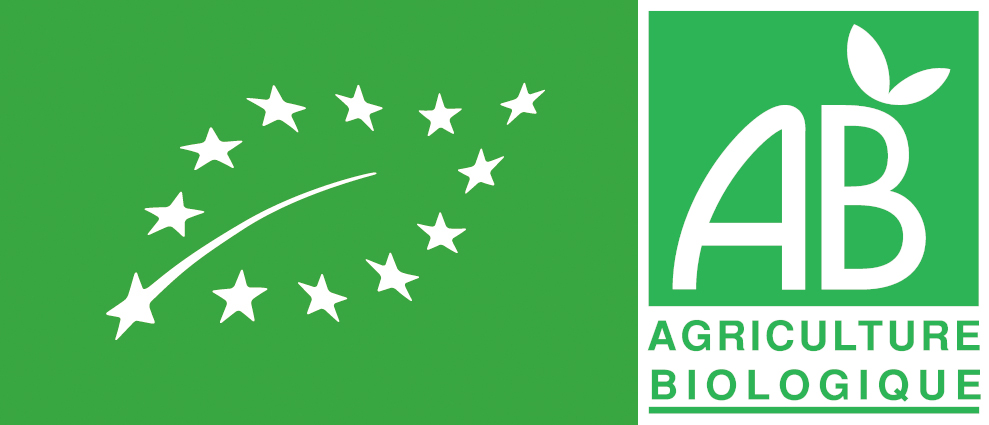
At the end of these processes, products from agriculture can display a logo to indicate a quality meeting the conditions of the organic label. The labeling of the European logo (Eurofeuille) shows an application of the regulation on organic farming of the European Union. Since July 1, 2010, the logo is mandatory for European food following its production conditions. The logo is systematically accompanied by information on the place of production and on the reference of the certifying body. In addition to the European logo, the optional AB emblem can be used. This concerns productions not covered by European regulation, but by French specifications.
At a time when consumers and producers are seeking a more ethical and ecological lifestyle, organic farming allows multiple sectors of the agricultural field to provide healthier and more responsible products. Monitored and controlled, organic farming is a reliable value in the daily lives of many professionals and European citizens.