The best equipment for pros and enthusiasts alike








-35%
 Professions

For professionals in winemaking (viticulturists, oenologists and winegrowers), the harvest period is a key step in creating wine for French tables. From the month of September (or even from the end of August) begins one of the most important months for French operations. The harvest concerns the grape harvest specific to wine production. Let's discover here an overview of the challenges of this ancient art that is essential to the agri-food and gastronomic sectors.
Table of Contents:
The harvest calendar varies by region. In the northern hemisphere, this is between July and October. According to many factors, this corresponds to the arrival of the ideal maturation of the grapes, that of a perfect balance between sugar and acidity for wine making.
The harvest season in France is traditionally situated between September and October. This period from September 22 to October 21 was called "Vendémiaire" in the first French republican calendar, a term directly derived from this harvest period.
The date of the harvest depends on multiple parameters that greatly influence the quality of the wine at the end of production. This takes into account the climatic conditions, the production areas (southern exposure), the grape variety (white or red) or the type of wine sought (sugar content, acidity, color, aromatic components). This period is the culmination of the care and attention of winegrowers who have worked on their vines all year. The harvest date is definitively made official thanks to the harvest ban, a prefectural decree determining the beginning of the harvest. This ban is published by the town halls managing the wine regions.
Given the multitude of factors, harvest dates are never precise before the arrival of the relevant season. The most common estimate is 100 days between the appearance of the first flower of the vine and the maturity of the fruit. In France, it is possible to estimate a calendar map as follows:
- Late August: Provence, Languedoc-Roussillon, Corsica
- Early September: Rhône Valley, Beaujolais
- Mid-September: Loire Valley, Burgundy, Bordeaux, Rhône Valley, Jura, Savoie, Southwest
- Late September: Champagne, Alsace
- Early October: Cognac & Charentes
We can also note some harvests with special characteristics. First, the so-called "green" harvests, which serve to reduce the quantity of grapes of a variety. We cut the excess bunches to allow for better maturation and concentration of the remaining grapes. This pre-selection offers a lower yield, but grapes of better quality for a more concentrated wine. This practice is carried out from the end of July in anticipation of traditional harvests.
Then, there are late harvests, about one month after the end of traditional harvests, which wait for the grapes to exceed their maturity threshold for exceptional wines that are very sweet and liquorous.
Finally, we can mention ice wines, made from grapes harvested frozen. The arrival of frost and temperatures below -7°C produce a sweet and very sugary wine to be served chilled (at about 6°C).

The evolution of techniques in viticulture and oenology have made great advances in half a century. Notably with the use of sorting tables, stainless steel tanks, electric or pneumatic presses which have allowed for increased quality of the grapes put into tanks. Besides these modern improvements, other parameters must be taken into account to harvest the best possible grapes:
- Humidity. When the harvest is wet due to rain, dew or mist, the excess water can negatively influence the quality of the must. The juice is indeed diluted by this additional liquid.
- Heat. The hottest hours of the day are unfavorable to the quality of the harvest. A high temperature of the grapes can promote the premature and unwanted onset of grape fermentation in tanks or containers. A practice that anticipates this problem is night harvesting. We take advantage of the coolness of the night to obtain the best possible grapes. Nighttime harvesting helps avoid oxidation and loss of grape aromas for more fruity wines. This is particularly sought after for white wines or rosés.
- Storage. The grape bunches must be placed in limited-size containers to avoid crushing which would release juice that could oxidize and come into contact with soil or other undesirable elements. In the case of manual harvesting, the use of perforated harvest crates for juice drainage is favored.
Once harvested, the grapes must quickly be transported to the winery to avoid uncontrolled fermentation, oxidation or maceration.

Two main types of harvesting methods are likely to be used by winegrowers: Manual harvesting or mechanical harvesting.
The second scenario is the most economical via the help of machines. It is generally used for everyday quality wines, as it does not allow for selection or sorting of bunches. The mixtures then include bunches that are more or less ripe, intact or damaged, which consequently reduces the quality of the wine created.
Manual harvesting is favored for making superior quality wines or sparkling wines. The cutting work is done by hand with pruning shears or harvest scissors. This practice allows for finer selection of bunches, which greatly influences the final product as it excludes bunches that are not ripe enough or of poor quality.
For manual harvests, the winegrower commonly calls on seasonal workers who will perform this task of cutting and harvesting. These workers are paid either by task (with a salary based on the volume weighed), or by the hour on pre-established time slots.
This manual and physical work requires appropriate clothing for cutting outdoors, exposing the harvester to weather conditions.
In case of bad weather, rain clothing is essential: rain jacket, pants and boots suitable for protection from water and humidity will be the essential assets for the least clement scenarios. For the cold, warm clothing is recommended as well as hats. For more sunny conditions, it is appropriate to wear T-shirts in light anti-UV colors and ventilated caps.
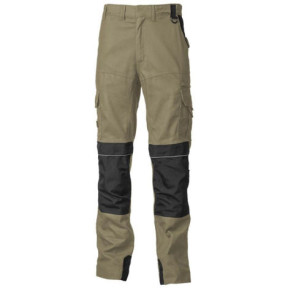
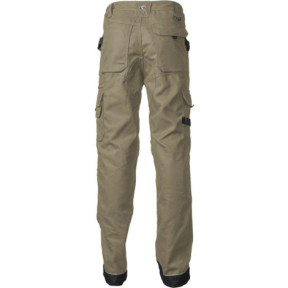
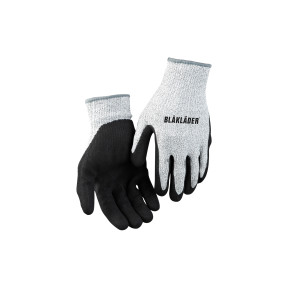
Regardless of the climate, shoes or safety boots are essential for foot protection. Steel-toed shoes with anti-slip SRC standards will be ideal for the loose soil of vineyard rows. For hand safety, they can be equipped with cut-resistant gloves. Pants equipped with protective knee pads will also be very useful for the prolonged crouching positions required for vine cutting. Finally, safety glasses to protect from splashes and sun rays will complete the harvester's equipment.

The harvest period calls upon a wide range of personnel and skills, from vine maintenance to harvest. Following these efforts, the winegrower will have access to a harvest that can be transformed into wine in their cellar. Once the final product has reached maturity, other trades in the vineyard sector will take over to bring the bottles to French tables. Sommellerie and other wine services are already the subject of an article on the blog.