The best equipment for pros and enthusiasts alike








-45%
 Professions
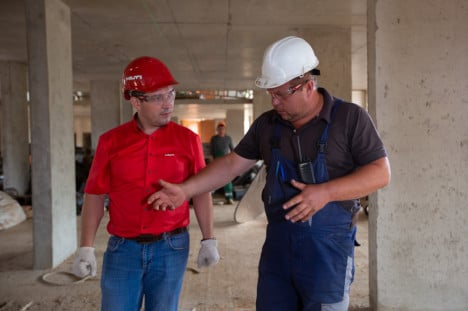
The workwear industry, which provides essential work clothing to many professional sectors, is currently experiencing a silent but significant revolution.
This evolution is characterized by the growing integration of ecology at the heart of the design, manufacturing and use of workwear products.
In this blog, we will explore in detail the positive aspects of this current trend while anticipating future trends in the field of workwear product ecology.
Table of Contents
- The future ecology of Workwear
- Social and environmental impact
- Corporate social responsibility
- Energy savings and waste reduction
- The ecological future of Workwear: An imminent revolution
One of the most notable trends in the workwear industry is the adoption of ecological materials in the manufacturing of work clothing. Companies in the sector are increasingly turning to textiles from sustainable sources, such as organic cotton, linen or even recycled materials.
These choices significantly reduce environmental footprint by minimizing the use of chemicals and decreasing water consumption during the production process.
Beyond materials, work clothing production is evolving towards more responsible practices. Manufacturing facilities are implementing waste management systems and striving to reduce their energy consumption. The dyes and treatments used are becoming more environmentally friendly, thus contributing to the preservation of natural resources.

Come discover our work clothing and equipment on our online store.
The future of ecology in workwear products lies in material innovation. Researchers are working on even more ecological textiles, such as those made from innovative plant fibers or biomaterials. These materials promise to be lighter, more durable and less resource-intensive, paving the way for work uniforms that are even more respectful of the planet.
The Robur brand has notably presented its Sequal range which offers eco-responsible products made from plastics recovered from the oceans with jacket and trouser models that are environmentally friendly and usable for workers in food service professions.
In addition to environmental impact, ecology in workwear has a positive social impact. Companies that integrate eco-responsible practices are often engaged in a Corporate Social Responsibility (CSR) approach. They support ethical work standards and guarantee safe and fair working conditions for their employees, thus contributing to a better quality of life for workers in the sector.
The CSR approach is defined as a voluntary action based on three essential pillars:
Social Responsibility:
- Commitment to society, local communities and civil society.
- Contribution to sustainable development by promoting social, cultural and educational initiatives.
- Respect for human rights, ethics and diversity.
Environmental Responsibility:
- Environmental preservation through concrete actions aimed at reducing ecological footprint.
- Responsible management of natural resources.
- Promotion of sustainable practices that respect the ecosystem.
Economic Responsibility:
- Ethical management of business and relationships with commercial partners.
- Contribution to local and national economic development.
- Promotion of employment, employee well-being and shared value creation.
This comprehensive approach aims to integrate ethical, social and environmental considerations into the company's daily activities, thus contributing to sustainable economic performance and a positive impact on society.
Another positive aspect of ecology in workwear is the reduction of energy consumption and the minimization of waste. The manufacturing of eco-responsible work clothing often uses less energy and generates less textile waste. This helps reduce pressure on natural resources and decrease the overall carbon footprint of the workwear industry.
The AGEC law provides for a reduction in the use of single-use plastic packaging and the general use of plastic with the aim of drastically reducing its impact on nature. If you would like more information on this subject you can find our blog article on this topic
.png)
Ecology in workwear concerns not only the planet, but also the health and well-being of workers. Ecological materials are often softer and more comfortable, which improves comfort throughout the workday. Well-fitted and breathable uniforms contribute to worker well-being by reducing fatigue and promoting mobility.
Advances in ecological materials also make it possible to offer better protection to workers. Uniforms resistant to weather, chemicals or electrical risks can be manufactured in a more environmentally friendly way. This enhances worker safety in their workplace, which is essential for any company.
The future of ecology in workwear will also be strongly influenced by growing consumer demand for environmentally friendly products. Consumers are increasingly aware of the impact of their choices on the planet, and this is reflected in their purchasing decisions. Companies in the sector will respond to this demand by offering even more ecological and transparent products regarding their production process.
Governments and regulatory bodies will likely intensify their efforts to promote eco-responsible practices in the workwear industry. Stricter standards regarding ecology and sustainability could be implemented, encouraging companies to innovate further in this field. This will help accelerate the transition towards more environmentally friendly workwear.
The ecology of workwear products is rapidly evolving to meet growing environmental concerns. Ecological materials, responsible production processes and technological innovations are already tangible positive aspects of this transformation. The future looks even more promising, with the arrival of innovative materials, smart technologies and strengthened regulations. This evolution is an essential step towards a working world that is more respectful of the planet, while improving workers' quality of life and strengthening planetary protection. As consumers, we can also contribute by choosing eco-responsible products and encouraging the industry to continue on this path.
In the complex world of work equipment, technology remains a central element. Vetsecurite.com positions itself as your reliable source of information, inviting you to dive into the world of the latest technological advances.