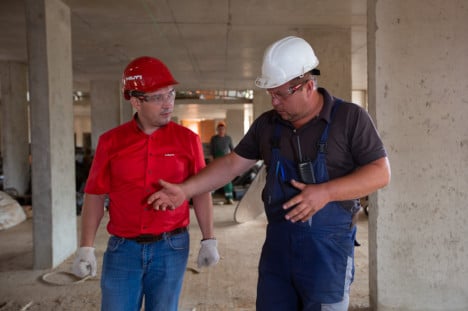
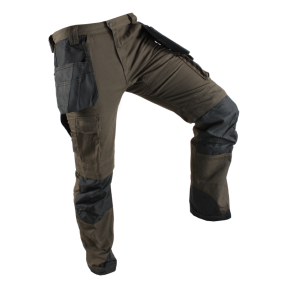
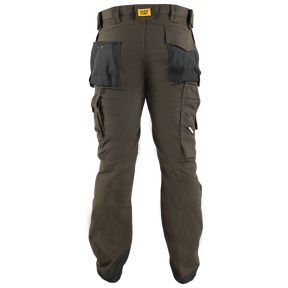
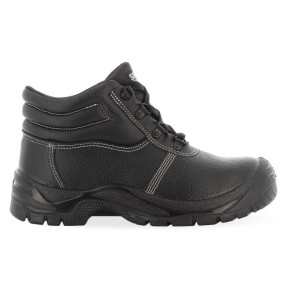
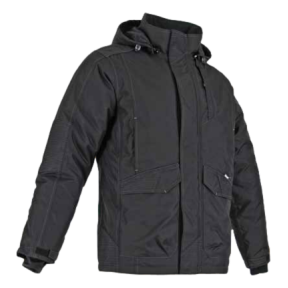
The world of work is constantly evolving, and with it, the clothing we wear to accomplish our professional tasks. Technological innovation has significantly transformed workwear, and the advent of smart clothing, or "smart clothing", is at the forefront of this revolution. In this blog, we will explore the impact of technology on workwear, highlighting advances in the field of materials used in work clothing.
Summary:
- The history of materials in the world of work
- The Evolution of Materials
- Conclusion
The history of materials in the world of work
The history of materials in the world of work is a fascinating saga of discovery, innovation, and adaptation. Over the centuries, workers have constantly sought more efficient materials to meet their specific needs. Here is an overview of this remarkable evolution:
- The beginnings: At the dawn of humanity, our ancestors used natural materials such as leather, animal skins, and coarse fabrics to protect themselves from the elements and dangers related to the hostile environments of that era.
- Stone and Metal Age: The Stone Age saw the use of materials such as wood and stone for the construction of work tools. Later, the Bronze Age and Iron Age opened the way to new possibilities, with metal tools and armor.
- The industrial era: The advent of the industrial revolution brought materials such as steel and wrought iron, which were widely used in the construction of machines and infrastructure.
- Rubber and plastic: The development of rubber and plastics in the 19th century revolutionized work by enabling the creation of boots, gloves, and other protective equipment.
- Synthetic materials: In the 20th century, advances in chemistry gave birth to a range of synthetic materials such as nylon, polyester, and polypropylene. These materials were used in the manufacture of lightweight and resistant work clothing.
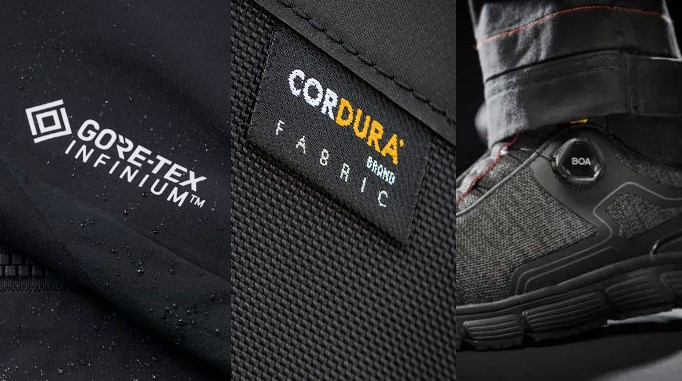
- The modern era: Today, the world of work benefits from a range of innovative materials. GORE-TEX offers waterproof and breathable protection, while Cordura provides abrasion resistance. Fire-resistant materials like Nomex are essential for workers exposed to thermal hazards.
- Recent advances: Advanced materials such as Kevlar, carbon fibers, and composites are now used in the manufacture of high-end protective equipment, offering exceptional resistance to shocks, cuts, and extreme temperatures.
These advances in materials have not only improved worker safety, but they have also opened up new possibilities in terms of design and performance. Recent innovations such as the Boa closure system in work shoes show that the industry continues to push the boundaries to offer safer and more comfortable products to workers worldwide. The history of materials in the world of work is a story of constant progress, and it is exciting to see what the future holds for us in terms of material innovation.

The Evolution of Materials in Favor of Comfort and Safety
Come discover our work clothing and equipment on our online store.
Click here
The evolution of materials
In the world of work, materials play an essential role in ensuring the safety, comfort and durability of clothing and equipment. New advances in materials have led to significant improvements in workwear, offering workers better protection and better performance. Here is a list of innovative materials and their use in the world of work and workwear:
- Cooldry : This material allows workers to stay cool and dry even in hot weather by quickly wicking away perspiration and drying quickly. It is often used for work clothing intended for hot environments.
- Ripstop : Designed to resist tears and punctures, Ripstop fabric is ideal for outdoor work and in difficult environments. It prevents the spread of tears, thus ensuring better garment durability.
- Vibram: This technology is used in work shoe soles to offer exceptional grip, durability, and superior comfort. It ensures optimal traction on various surfaces.
- GORE-TEX : This material offers waterproof protection while allowing the skin to breathe. It is used in work clothing to ensure protection against weather while wicking away moisture.
- Cordura: Renowned for its resistance to abrasion, Cordura fabric is used in the manufacture of robust work clothing. It is capable of withstanding the most difficult conditions.
- Boa : The Boa closure system is used in work shoes for a quick, precise, and secure fit. It offers increased comfort and ease of use.
- PrimaLoft Insulation: This lightweight synthetic insulation offers excellent heat retention, making it a popular choice for work clothing intended for cold environments.
- Nomex : These materials are heat and fire resistant, making them essential for workers exposed to thermal risks. They offer protection against flames and high temperatures.
- Carbon Fibers and Glass Fibers: Used to manufacture lightweight and resistant protective equipment, these fibers are commonly present in helmets and bulletproof vests.
- ABS Plastic: Robust and durable, ABS plastic is used in the manufacture of helmets, safety glasses, and face masks to provide protection against shocks and impacts.
- MIPS : This technology used on helmets aims to reduce rotational forces caused by certain blows to the head. It has proven particularly effective in reducing impacts caused by oblique shocks.
- D3O: Known for its orange color, D3O positions itself as a true revolution in shock absorption, redefining expectations in terms of safety. The technology lies in a fascinating phenomenon: the instant transformation of molecules in response to an impact.
These innovative materials have revolutionized workwear by offering unmatched protection, durability, and comfort. They have become essential elements of the working world, ensuring that workers stay safe and comfortable in all conditions. With constant advances in the field of materials, it is certain that new innovations will continue to improve work equipment in the future.
Conclusion
The impact of technology on workwear is profound and constantly evolving. From innovative materials to integrated connectivity and enhanced safety, today's work clothing is more efficient than ever. They are also designed to be more durable and environmentally friendly. As technology continues to advance, it is exciting to imagine what the future holds for workwear and how it will support workers in their daily tasks.
 The best equipment for pros and enthusiasts alike










 Professions