Protect yourself: The use of Kevlar in workwear PPE

In the working world, safety is an absolute priority. Whether you're on a construction site, in a manufacturing workshop, or in any other situation requiring protection against occupational risks, personal protective equipment (PPE) plays a crucial role in ensuring your well-being and safety. Kevlar is a material that stands out for its robustness and impact resistance. Discover how Kevlar is used in the field of workwear to provide reliable and comfortable protection to those who need it.


Table of Contents :

- What is Kevlar?

- Kevlar design

- Kevlar applications in the workplace

- Conclusion


What is Kevlar?


The fascinating history of Kevlar begins in 1964, when Stephanie Kwolek, a chemist working at DuPont de Nemours, was tasked with developing an innovative material that could replace the steel cord used in car tires. Accompanied by Herbert Blades, she undertook research to find a solution to this technical challenge.

During their experiments, Kwolek and Blades accidentally managed to create a surprisingly strong and light synthetic fiber. This new discovery far exceeded their initial expectations. The resulting material is five times stronger than steel, but much lighter.

Fascinated by the unique properties of this fiber, DuPont decided to commercialize it and give it the name Kevlar. In 1971, Kevlar was officially launched on the market and quickly became a material of choice in many fields.

Since then, Kevlar has become an essential element of our daily lives, used in a multitude of applications, ranging from bulletproof vests and protective helmets to kitchen utensils and sports equipment. Its exceptional strength and lightness make it a versatile material and invaluable in many industries, and its use continues to evolve and develop.


Kevlar design


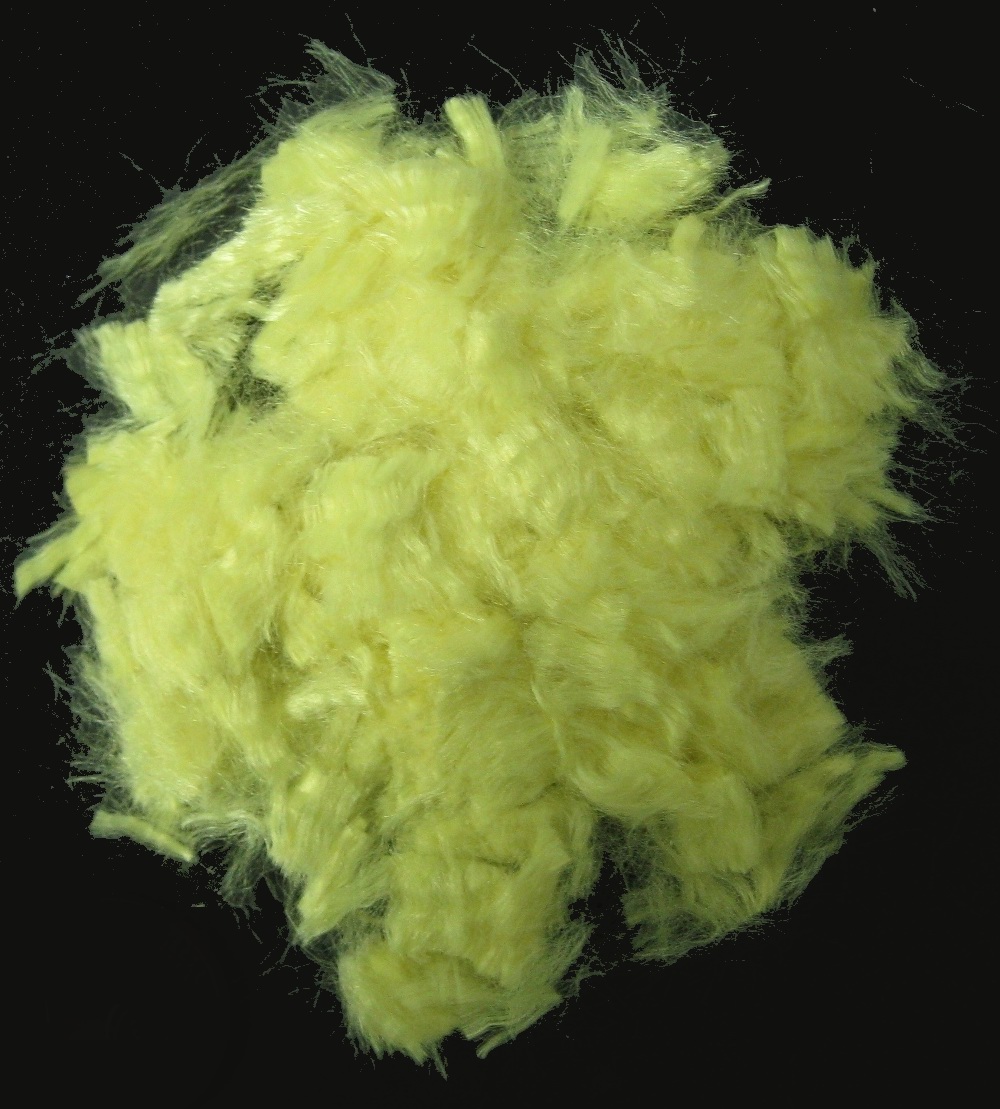
Kevlar is a reinforced synthetic material used in the manufacture of protective items such as work gloves. It is produced from liquid crystal aromatic polymers, mainly poly(p-phenylene terephthalamide) or PPTA. Here are the general steps to produce Kevlar:

  • Monomer synthesis: The monomer necessary for Kevlar manufacture is obtained from the chemical reaction of several organic compounds, including terephthaloyl chloride and paraphenylenediamine.
     
  • Polymerization: The obtained monomers are then polymerized to form long and robust polymer chains. This polymerization reaction can be carried out by various methods, including polycondensation or solution polymerization.
     
  • Spinning: Once the polymer is formed, it is spun to produce fine fibers. This process may involve passing the polymer solution through spinnerets to form continuous fibers.
     
  • Heat treatment: The obtained fibers are then heated to high temperatures in a process called thermal stretching. This aligns the polymer molecules in the same direction, strengthening the fibers and improving their mechanical properties.
     
  • Weaving or knitting: Kevlar fibers can be woven or knitted to form fabrics or panels of different sizes and shapes, depending on their intended application.


It should be noted that Kevlar production is a complex process that requires specialized facilities and equipment. It is generally performed by companies specialized in the manufacture of composite materials and protective products.


Kevlar applications in various fields 

Kevlar, thanks to its exceptional properties, is used in a variety of applications, including:


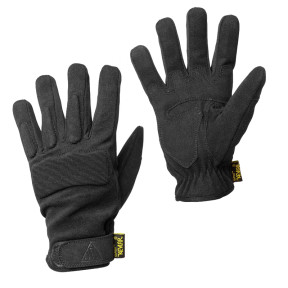
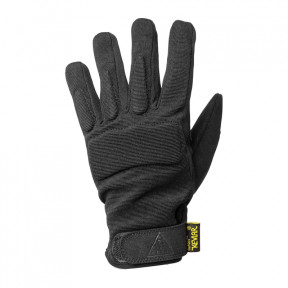
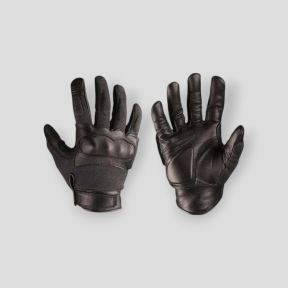
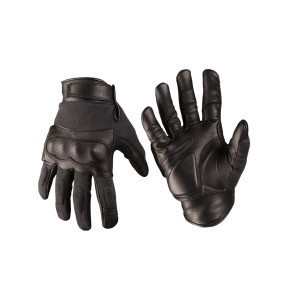
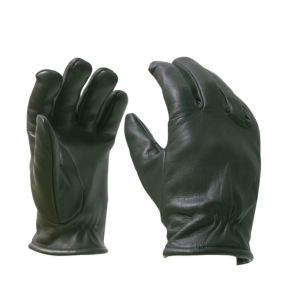
  • Personal protective equipment (PPE) : Kevlar is used in the manufacture of a range of PPE, such as cut-resistant gloves, flame-retardant suits, and safety boots, providing protection against a variety of workplace hazards.

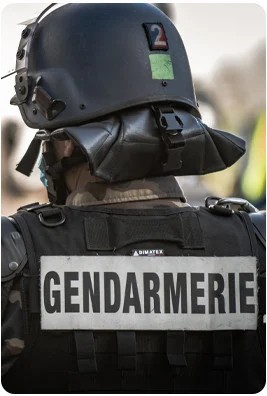
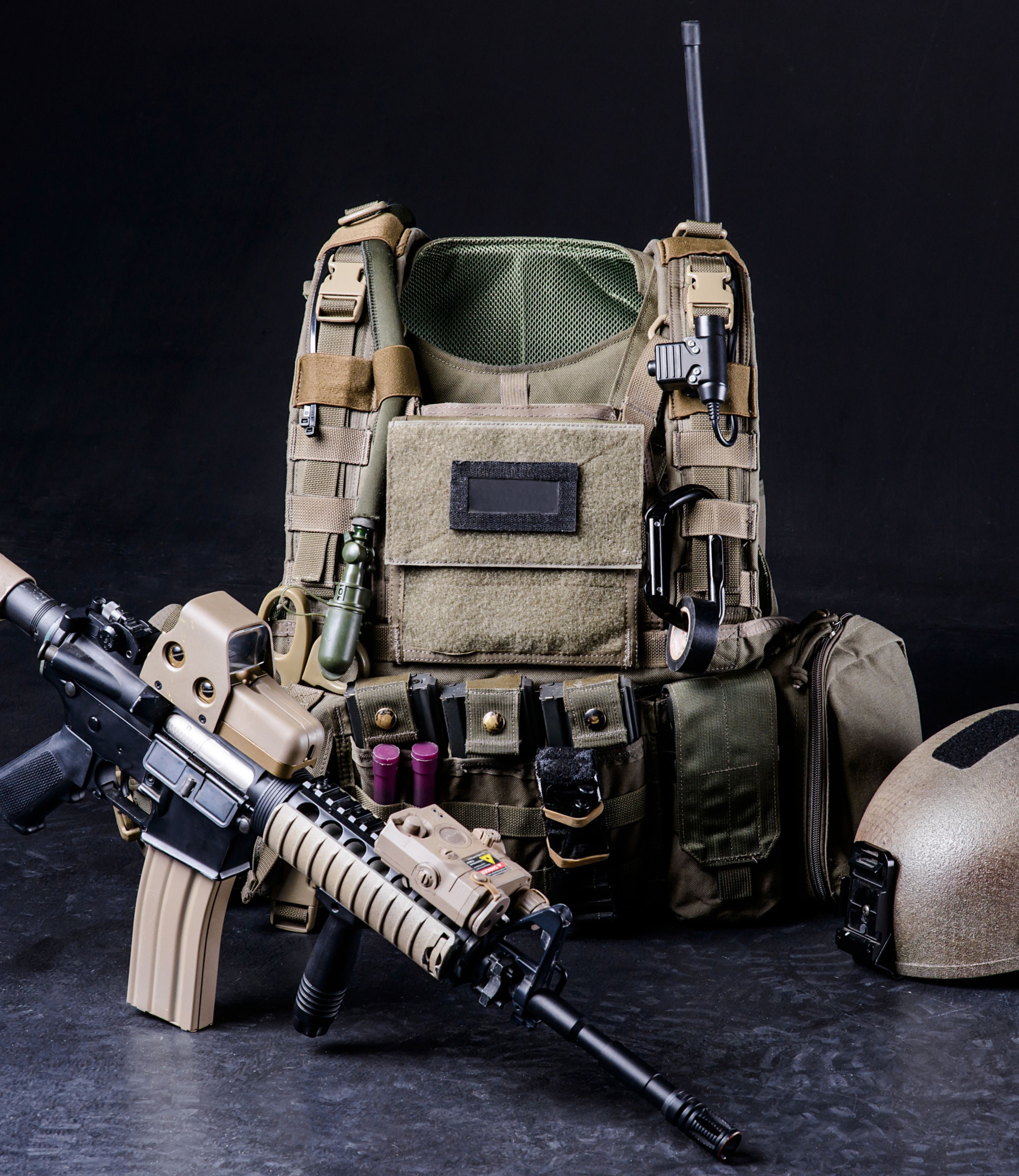
  • Bulletproof vests: Kevlar is used in the manufacture of bulletproof vests due to its high resistance to ballistic impacts, providing vital protection to law enforcement, military, and other professionals exposed to risks of bullet injuries.
     
  • Protective helmets: Protective helmets made with Kevlar offer high impact resistance, protecting the head against serious injuries in various environments, including construction sites, extreme sports, and military operations.
     
  • Reinforced tires: Kevlar is used in the manufacture of reinforced tires to improve their resistance to wear and puncture, providing increased durability on difficult and rough roads.
     
  • Sports equipment: Sports equipment such as tennis rackets, skis, surfboards, and sports helmets often incorporate Kevlar to improve their resistance and durability, providing better performance to athletes.
     
  • Cables and ropes: Due to its high tensile strength, Kevlar is used in the manufacture of cables and ropes for various applications, including climbing, sailing, and construction.
      
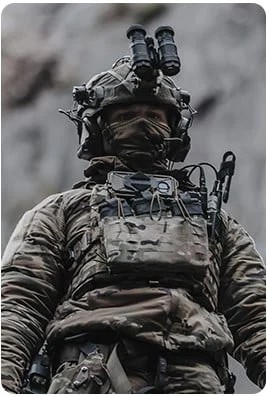
  • Aerospace and military applications: Kevlar is also used in aerospace and military applications for its lightness, resistance, and ability to absorb impact energy, contributing to the manufacture of aircraft, armored vehicles, and other critical equipment.


These uses demonstrate the versatility of Kevlar and its essential role in the creation of safe, durable, and high-performance products in various industrial and commercial fields.


Conclusion


Kevlar plays an essential role in the design and manufacture of PPE for workwear. Its unique combination of strength, durability, and lightness makes it a preferred choice for workers seeking reliable and comfortable protection. Whether to resist cuts, flames, or projectiles, Kevlar protective clothing and equipment provide peace of mind to workers, allowing them to focus on their work safely.


To select appropriate work equipment, technology plays a crucial role. Vetsecurite.com helps you in this process by offering advice and information on the latest technological innovations available.
 

Related articles
CoolDry technology: From thermal comfort to clothing innovation
Read the article
The Unstoppable Evolution of Gore-Tex Technology
Read the article
Revolutionary technologies in the world of work
Read the article
  • Over 200 brands At the best price
    Over 200 brands At the best price
  • Secure payment In 3 or 4 interest-free installments
    Secure payment In 3 or 4 interest-free installments
  • Delivery across Europe As soon as possible
    Delivery across Europe As soon as possible
  • Customer service Monday to Friday
    Customer service Monday to Friday