The best equipment for pros and enthusiasts alike






 Professions
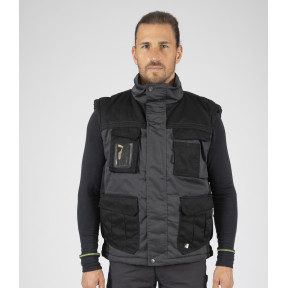
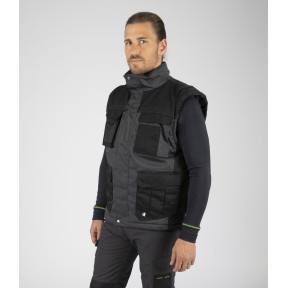
In a constantly evolving work environment, where safety, comfort and performance are essential, the integration of innovative materials like carbon fiber is revolutionizing the field of workwear. From construction sites to workshops, this highly technical fiber offers a multitude of advantages, redefining protection and functionality standards. Fiberglass also emerges as a promising option, offering a unique combination of strength, lightness and durability for work clothing.
Table of Contents:
- Carbon Fiber: Beyond Lightness
- Resistance to Impact and High Temperatures
- Conclusion: Redefining Workwear Standards
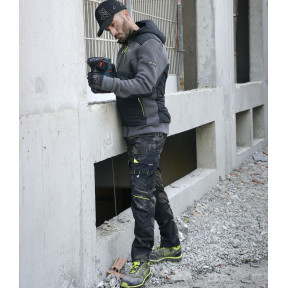
Carbon fiber is known for its exceptional lightness and superior tensile strength. This unique combination makes it the ideal material for workwear. Work clothing incorporating carbon fiber is remarkably lightweight, offering unprecedented freedom of movement for workers in various sectors.
.jpg)
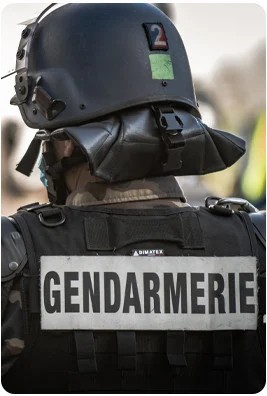
Beyond its lightness, carbon fiber offers advanced protection against impacts and high temperatures. Work clothing made from this material is capable of withstanding extreme conditions, ensuring the safety of workers exposed to dangerous environments. Whether on a construction site or in an industrial environment, resistance to impacts and high temperatures is a major asset for ensuring worker safety.
Another significant advantage of carbon fiber is its exceptional durability. Work clothing made from this material is not only resistant to daily wear, but also maintains its structural properties even after intensive use. This makes it a cost-effective investment in the long term for companies concerned about the quality and durability of their work equipment.
.jpg)
In addition to its protective qualities, carbon fiber offers unmatched comfort to workers. Thanks to its breathability and moisture-wicking ability, carbon fiber work clothing keeps workers dry and comfortable even in difficult working conditions. This innovative approach to workplace comfort improves productivity and employee well-being, thus contributing to a more pleasant and efficient work environment.
The main characteristic of fiberglass is its exceptional strength. Work clothing made from this material offers reliable protection against abrasion, tears and cuts, making it an ideal choice for workers operating in demanding environments such as construction, manufacturing industry and infrastructure maintenance. Fiberglass ensures unmatched protection, allowing workers to focus on their task without fearing potential risks.
.jpg)
Despite its impressive strength, fiberglass is surprisingly lightweight, providing workers with optimal comfort throughout their workday. Unlike other heavy and rigid materials, fiberglass work clothing allows complete freedom of movement, which is essential for tasks requiring agility and flexibility. Additionally, the breathability of fiberglass helps regulate body temperature, ensuring worker comfort even in variable weather conditions.
Another significant advantage of fiberglass is its exceptional durability. Unlike other materials that can degrade quickly with intensive use, fiberglass work clothing maintains its structural integrity even after prolonged exposure to harsh conditions. This makes it a cost-effective investment for companies, as fiberglass clothing has a longer lifespan and requires less replacement, reducing long-term costs.
.jpg)
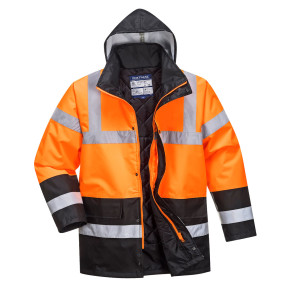
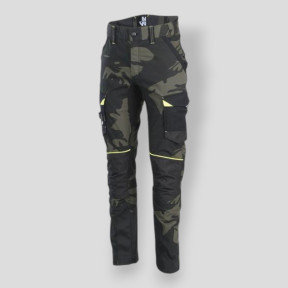
Fiberglass finds versatile applications in a variety of industrial sectors. From cut-resistant jackets to reflective vests, to reinforced pants, fiberglass work clothing is suitable for a diverse range of tasks and work environments. Whether on a construction site or in a production facility, fiberglass offers reliable protection and exceptional durability to meet workers' needs in various situations.
In the field of workwear and personal protective equipment (PPE), fiberglass and carbon fiber are two widely used materials, each presenting distinct characteristics.
Fiberglass is renowned for its strength and durability, making it a popular choice for work clothing and PPE requiring protection against impacts and shocks. However, it can be less flexible than carbon fiber and can sometimes be subject to corrosion, thus requiring regular maintenance.
In contrast, carbon fiber offers exceptional strength while being lighter and more flexible than fiberglass. It is often preferred in applications requiring high strength while maintaining reduced weight, such as in personal protective equipment where comfort and mobility are essential. In terms of price, carbon fiber tends to be more expensive than fiberglass due to its more complex manufacturing process and superior performance. However, its investment can be justified by its longevity and performance advantages, particularly in demanding work environments where worker safety and comfort are paramount.
In conclusion, the integration of carbon fiber as well as fiberglass in workwear represents a major advancement in the field of workplace safety and comfort. With exceptional properties of lightness, protection, durability and comfort, they redefine workwear standards and pave the way for a new era of innovation in the field of professional equipment.
To choose the right work equipment, technology is essential. Vetsecurite.com guides you by informing you about the latest technological advances.