 The best equipment for pros and enthusiasts alike


-
 Professions
-
-
-
-
-
-
-
-
All Tops
![All Tops]()
-
-
-
All Bottoms
![All Bottoms]()
-
-
-
All Footwear
![All Footwear]()
-
-
-
All Bags
![All Bags]()
-
-
-
All Accessories
![All Accessories]()
-
-
Carhartt products for construction
Sort by
: Relevance
Founded in 1889, the Carhartt brand specializes in manufacturing work clothes for the most challenging conditions. Resistant, comfortable, and durable, Carhartt clothing and accessories are recognized worldwide for their high standards.
Tactical, professional and outdoor night equipment
When light decreases, having appropriate night equipment becomes essential to maintain visibility, mobility and autonomy. Tactical flashlights, headlamps, signaling solutions, glow sticks, lighting accessories and outdoor equipment allow you to effectively prepare a mission, a patrol, a hike or a night bivouac.
Military personnel, police officers, gendarmes, security agents, intervention professionals, airsoft players, hikers and outdoor enthusiasts can select their night gear according to their environment and constraints. Light output, battery life, lighting mode, size, resistance and ease of use are all criteria to consider when operating in the dark with reliable equipment suited to the terrain.
Night equipment: staying operational in the dark
Equipment adapted for nighttime activities
An intervention or an activity in the wild does not necessarily stop when the light disappears.
Night changes travel conditions, reduces visibility of obstacles and makes certain tasks more difficult. Equipment specifically adapted for this purpose allows you to maintain a better reading of your environment and carry out necessary tasks without depending on a fixed light source.
Equipment for nighttime activity can include a flashlight, a headlamp, signaling devices and various accessories for carrying, mounting or powering lighting solutions.
The choice depends on the context. A professional patrol in an urban environment does not impose the same constraints as a bivouac, a night hike or an activity conducted on isolated natural terrain.
For professionals and outdoor enthusiasts
Nighttime needs vary greatly depending on the user.
Military personnel and law enforcement may look for robust lighting that is quickly accessible and suited to field missions.
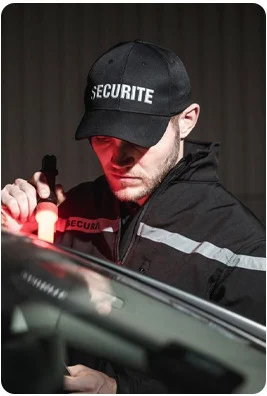
Security officers need a reliable flashlight for patrols, inspecting an area or moving through poorly lit spaces.
For hikers and bivouac enthusiasts, a headlamp keeps hands free while walking, setting up camp or preparing equipment.
Outdoor users can also incorporate glow sticks and signaling accessories to identify certain pieces of equipment, mark an area or have a supplementary lighting solution.
The goal remains the same: having the right level of light at the right time without unnecessarily adding weight to your equipment.
How to choose your night equipment?
Define your primary use
Before selecting your equipment, identify precisely its intended use:
- professional mission;
- surveillance patrol;
- intervention;
- nighttime movement;
- night hike;
- trekking;
- bivouac;
- camping;
- airsoft;
- travel;
- autonomy equipment.
A flashlight used daily during professional patrols must be easily carried and quickly accessible.
For a nighttime hike, the battery life and wearing comfort of a headlamp become more of a priority.
During a bivouac, it can be useful to combine several solutions: a headlamp for moving around and more diffuse lighting for the campsite.
Technical specifications to check
Light output
The power output of a flashlight is generally expressed in lumens.
High power output produces more light, but it is not the only performance criterion.
The shape of the beam, its range and the distribution of light also influence its use.
A wide beam is practical for illuminating a nearby area, setting up camp or performing certain tasks.
A more concentrated beam allows you to see further ahead.
The right choice therefore depends on the distance at which you actually need to see.
Autonomy
Battery life is a major criterion for nighttime use.
High light output can lead to greater energy consumption. The different modes offered by some flashlights then allow you to adapt the intensity to the situation.
For a long mission or hike, it may be preferable to maintain an intermediate power level and reserve the maximum mode for situations where it is truly necessary.
For extended outings, also plan a solution to maintain your lighting capability: an additional battery, compatible spare batteries or a means of recharging depending on the equipment.
Resistance
A flashlight intended for field use may be exposed to shocks, dust, repeated handling and harsh weather.
The build quality must therefore be suited to the intended use.
For professionals and outdoor enthusiasts, check in particular the information regarding resistance to water splashes or immersion when specified by the manufacturer.
The reliability of buttons and fastening systems must also be taken into account when equipment is used regularly.
Ergonomics and size
A very powerful flashlight that is difficult to carry can become a burden.
The size must match the intended use.
A compact flashlight can be kept in a pocket or on a belt, while a more powerful model may require a holster or a specific spot in your gear bag.
For a headlamp, the weight and battery distribution directly influence comfort during long periods of use.
Tactical flashlights for nighttime missions and interventions
Quickly accessible lighting
The tactical flashlight is a solution suited to professionals looking for compact and immediately available lighting.
It can accompany a patrol, an inspection, an intervention or movement in a poorly lit environment.
For regular use, the ergonomics must allow you to easily activate the flashlight and select the necessary functions.
The size must also remain compatible with the chosen carrying method: pocket, holster or other appropriate storage solution.
The choice of power output depends on the environment and the distance to be illuminated. An indoor area does not necessarily require the same configuration as a large outdoor space.
Flashlights for security officers and professionals
During a nighttime patrol, the flashlight is one of the practical pieces of equipment for checking access points, illuminating a path or inspecting a dark area.
For a security officer, choose a model offering battery life compatible with the usual length of shifts.
Weight is also important when a flashlight is worn on the belt for several hours.
Accessories such as holsters and flashlight holders keep equipment accessible while freeing up clothing pockets.
For professional use, the flashlight and carrying system as a whole must remain sufficiently stable during movement.
Headlamps for hiking and field use
Keep your hands free
The headlamp is one of the most versatile solutions for nighttime activities.
Worn on the head, it naturally directs light in the direction of your gaze while keeping both hands free.
This feature is particularly useful for:
- walk on a trail;
- consult a map;
- set up a bivouac;
- prepare equipment;
- carry out a repair;
- organize your bag;
- move around the campsite.
For extended use, choose a model that is sufficiently comfortable and stable.
A flashlight that is too heavy or poorly balanced can become uncomfortable after several hours.
Choosing a headlamp based on your activity
For bivouac and camping, moderate power may be sufficient for tasks performed at close range.
For a night hike, the beam must allow you to correctly identify the terrain relief and obstacles.
When movement is faster, the range and stability of the lighting become more important.
Some models offer multiple intensity levels to adapt energy consumption to the situation.
This modulation is particularly useful for preserving battery life during an extended outing.
Signaling and glow sticks
Be visible and mark an area
Night equipment is not only used for seeing. It can also serve to be seen or signal a location.
Glow sticks are a simple solution for providing a visual reference point in the dark.
Depending on their color, battery life and size, they can be used to identify certain elements, mark off an area or create a temporary reference point.
They can complement a flashlight without needing to constantly provide powerful illumination.
For outdoor activities, their compact size also makes them easy to carry in a bag.
Signaling during nighttime activities
Light cones, signal wands or accessories compatible with certain flashlights can also improve visibility in certain situations.
This equipment must be selected according to the activity practiced and its intended use.
For a group bivouac or hike, visual signaling can be used to identify certain points in the camp or mark equipment.
In a professional context, signaling solutions must naturally be used in accordance with the procedures and equipment authorized for the activity in question.
Night equipment for hiking and Tactical Escape
Preparing a night hike
A night hike requires more anticipation than a daytime outing.
The main lighting source must offer sufficient battery life to cover the planned duration.
A secondary solution is also a useful precaution when the outing takes place far from lit areas.
Essential gear may include:
- a headlamp;
- a backup light source;
- a battery or appropriate power source;
- a charged phone or navigation device;
- clothing appropriate for nighttime temperatures;
- a hydration solution;
- a small first aid kit.
Night can also alter the perception of the terrain. More cautious progression and properly organized equipment make movement easier.
Mobility and autonomy
In the Tactical Escape universe, night equipment must remain compact, versatile and easily accessible.
The main flashlight must be stored in a known location and be quickly retrievable.
Backup batteries or spare batteries must be protected from moisture and carried in a clearly identified compartment.
To limit the load, prioritize equipment that serves multiple purposes and is suited to the actual duration of the outing.
Precise organization helps avoid searching for an accessory in the dark when it becomes necessary.
Night equipment for bivouac and camping
Setting up camp after sunset
A late arrival at a bivouac site means being able to set up your equipment in the dark.
The headlamp is particularly well suited to this situation as it allows you to handle the bag, shelter, ropes or sleeping equipment with both hands.
Supplementary lighting can then be set up to provide more comfortable light around the camp.
The goal is to maintain sufficient visibility without unnecessarily draining energy reserves.
A low-power mode is often suitable for tasks performed in close proximity.
Organize your gear for the night
Good organization greatly simplifies nighttime tasks.
Place equipment that is useful during the night in accessible areas of the bag:
- backup flashlight;
- warm clothing;
- water;
- personal accessories;
- battery or batteries;
- equipment requiring quick access.
Equipment can be grouped in different pouches to avoid having to empty the bag.
Glow sticks or light markers can also make it easier to identify certain elements of the campsite.
Light, autonomy and power
Plan an appropriate power source
Night equipment depends directly on its power source.
Depending on the flashlight, this may rely on batteries, a rechargeable battery or a system compatible with multiple solutions.
For extended use, the ability to quickly replace or recharge the power source becomes particularly important.
Before each mission or outing, check the charge level and the functioning of the flashlight.
For a multi-day bivouac, incorporate energy needs into your overall gear preparation.
Plan a backup lighting source
A single light source can be a single point of failure.
For an extended nighttime activity or an isolated outing, having a second lighting source provides greater safety and autonomy.
A small compact flashlight can, for example, complement a primary headlamp.
Backup equipment does not necessarily need to offer the same power output.
It must above all allow you to continue moving, retrieve equipment or perform necessary tasks in the event that the main lighting is unavailable.
Complete your night equipment
Luggage and organization
Pair your night gear with tactical or outdoor luggage that allows you to store and protect the various pieces of equipment.
Pouches and organizers make it easier to store batteries, cables, secondary flashlights and small accessories.
A frequently used flashlight must remain accessible without having to fully open the main compartment.
For long outings, a clear organization also makes it easier to monitor remaining battery life.
Clothing and footwear for nighttime activity
Temperatures can drop quickly after sunset.
Complete your equipment with tactical or outdoor clothing suited to the weather and the intensity of the activity.
An extra layer must remain easily accessible in the bag.
Tactical or hiking boots must provide sufficient grip and stability to move over terrain where obstacles are less visible.
Hydration and bivouac
A nighttime activity does not change fundamental hydration needs.
Bring a water bottle or hydration bladder suited to the duration of the activity and keep it easily accessible.
For an extended outing, complete your setup with the necessary bivouac gear: sleeping equipment, shelter and accessories suited to the expected temperatures.
Night equipment thus integrates into an overall configuration where lighting, clothing, footwear, hydration and luggage work together.
FAQ – Night Equipment
What equipment should you plan for a nighttime activity?
Plan at minimum a lighting source suited to the activity, as well as a backup solution for extended outings. Depending on the context, add batteries, clothing suited to the temperatures, hydration, signaling equipment and bivouac gear.
Which flashlight to choose for a night hike?
A headlamp is particularly well suited as it keeps your hands free. Compare battery life, range, weight, comfort and the different intensity levels. The power output must match your pace and the type of terrain.
What is the difference between a tactical flashlight and a headlamp?
A tactical flashlight is primarily held in the hand or carried in a holster and allows you to quickly direct the light. A headlamp is attached to the head and follows your gaze while keeping your hands free. Both solutions can be complementary.
How many lumens are needed for a nighttime activity?
There is no ideal power output for all activities. Tasks performed at close range require relatively little light, while observing a distant area requires more power and range. Battery life must also be taken into account, as the most powerful modes generally consume more energy.
Why bring backup lighting?
A second light source allows you to maintain lighting capability in the event of a dead battery, a malfunction or the loss of the main equipment. It is particularly relevant for night hikes, bivouacs and activities carried out far from lit areas.
What are glow sticks used for?
Glow sticks are primarily used to create a visual reference point or to temporarily signal a location. They can complement flashlights during nighttime activities thanks to their compact size and their operation independent of a rechargeable battery.
Night equipment vetsecurite: prepare your nighttime activities
Appropriate night equipment allows you to maintain visibility, mobility and autonomy when lighting conditions become difficult.
Tactical flashlights, headlamps, glow sticks, signaling accessories and power solutions meet the needs of both professionals and outdoor enthusiasts.
Whether you are preparing a patrol, a mission, an intervention, a night hike or a bivouac, prioritize reliable, resistant, autonomous equipment suited to your terrain.
Discover the selection of vetsecurite night equipment and put together a configuration capable of accompanying you when the light disappears.
-
![Over 200 brands At the best price]() Over 200 brands At the best price
Over 200 brands At the best price -
![Secure payment In 3 or 4 interest-free installments]() Secure payment In 3 or 4 interest-free installments
Secure payment In 3 or 4 interest-free installments -
![Delivery across Europe From €79 of purchase]() Delivery across Europe From €79 of purchase
Delivery across Europe From €79 of purchase -
![Customer service Monday to Friday]() Customer service Monday to Friday
Customer service Monday to Friday


