The best equipment for pros and enthusiasts alike




-35%
 Professions
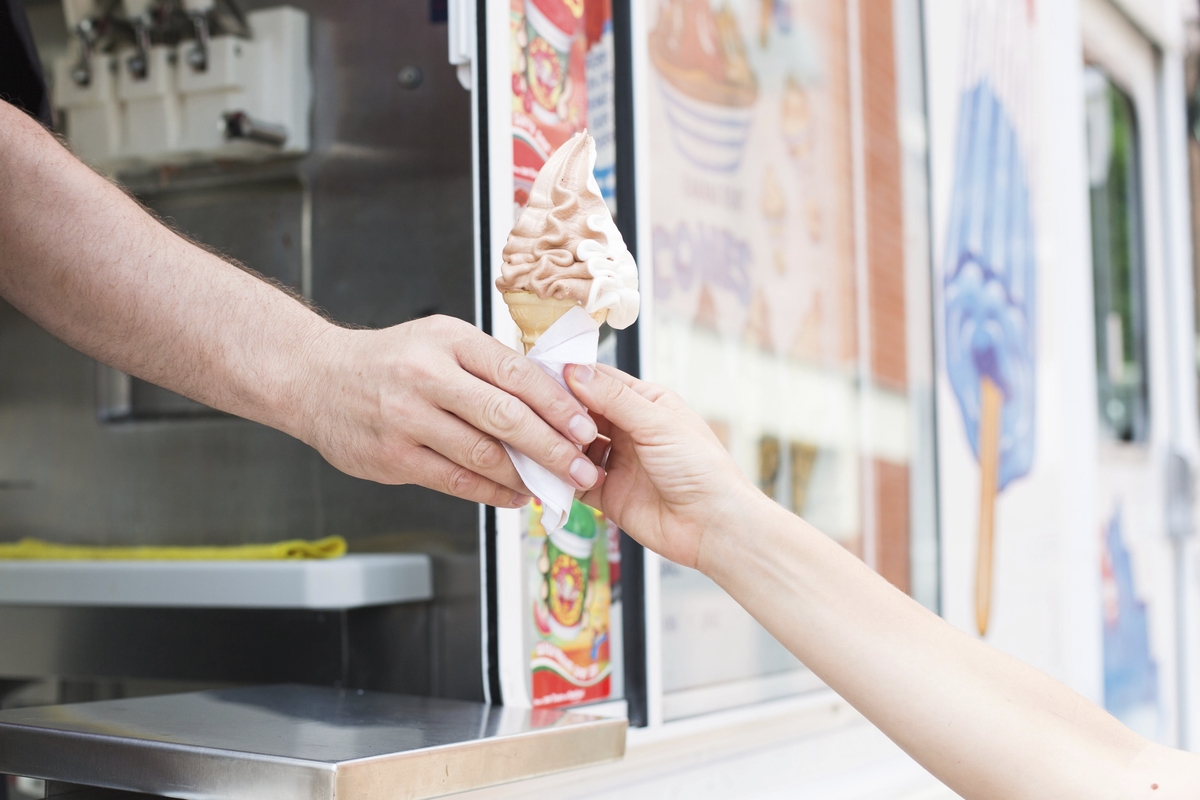
The food truck is a vehicle that offers cooking, preparation and the sale of food. The type of products is a wide range that comes in as many specialized trucks: sandwiches, ice cream, donuts, pizzas, snacks and other beverages. This is also reflected in the many known names of these mobile services: canteen truck, food truck, chip stand, mobile restaurant, bar truck or even food cart in Tahiti. Where does this tradition come from and what makes them trendy again?
Table of Contents:
The beginnings of mobile catering date back to the chuckwagons of the Civil War in the western United States. Food trucks as such emerged at the end of the 19th century with the "lunch wagons" that fed notably the night workers of large cities. In France, in the 1960s, Marseille welcomed pizza trucks following the rise of the specialty shared beyond Italian borders. France and Belgium also saw the proliferation of chip trucks or chip stands that serve fries, burgers and sandwiches of all kinds.
The 2010s saw the generalization of the term food truck which became trendy. Unlike food trucks that previously focused on snacking, food trucks tend toward more gastronomic, artisanal and qualitative cuisine. These trucks approach the services of a traditional restaurant to attract an urban audience seeking an alternative to large fast food chains. Another characteristic of this mobile catering is the appearance of the various vehicles as diverse as they can be bold in style.
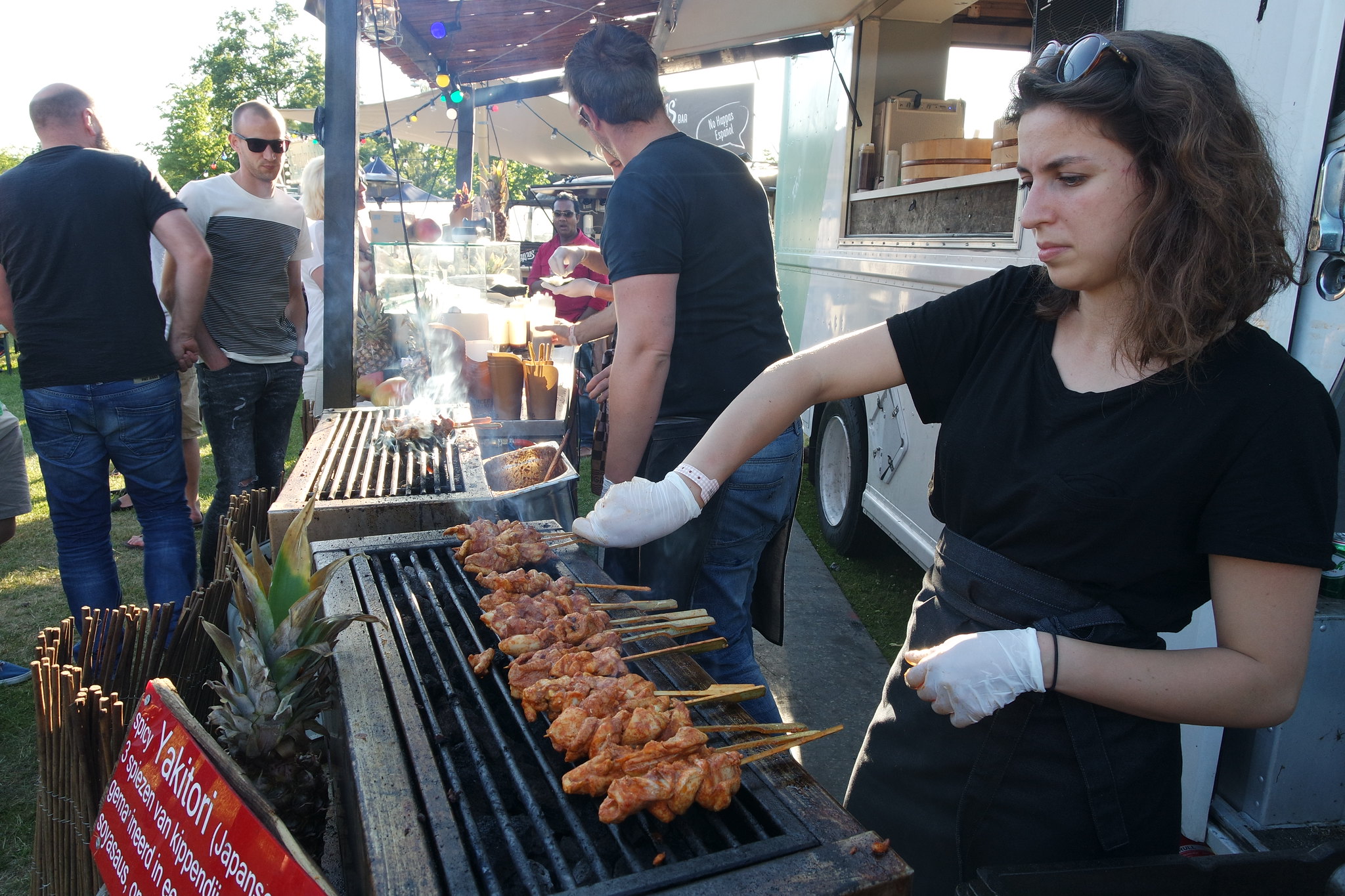
Food trucks are mainly established on roadsides or other squares. They look for strategic and attractive locations: seaside, beaches, schools or universities and others.
The installation must be authorized by a parking permit and a temporary occupation authorization which are granted by the City Hall. For national roads, departmental roads or main city arteries, this goes through the prefecture.
The parking permit requires the payment of a fee at the fixed amount. It is calculated according to the following criteria:
- Commercial value of the exploited route
- Ground footprint (if existing)
- Mode of use and duration of operation of the location (annual or seasonal)
Food trucks all include the necessary cooking equipment to ensure the preparation of the dishes offered, including cooking ovens or fryers. In France, they must also comply with the requirements of the ISO 9001 standard for hygiene in catering.
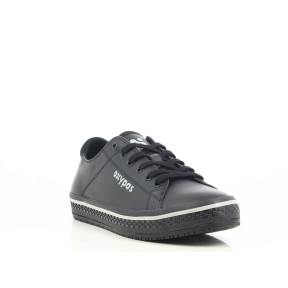
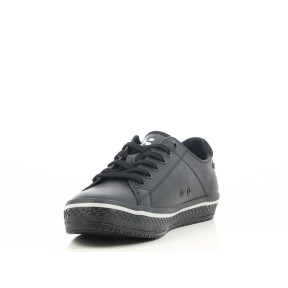
Similarly, the staff managing the food trucks must wear appropriate attire for cooking activities. This includes a head covering to maintain hair hygiene. Chef hats and caps for cooking also give a professional appearance that is trustworthy. A jacket for cooking can protect against burns and stains that are more likely in the confined space of a truck. Similarly, an apron offers the same advantages and better accessibility to cooking utensils. The pants should be well-cut and without cuffs, for optimal comfort and maximum mobility. The recommended safety shoes are EN ISO 20345 standard and equipped with a non-slip surface and a protective toe cap against impacts.
If you would like to obtain more information, you can find a dedicated article on the EN ISO 20345 standard as well as a second one focused on the changes to the standard for the year 2022.
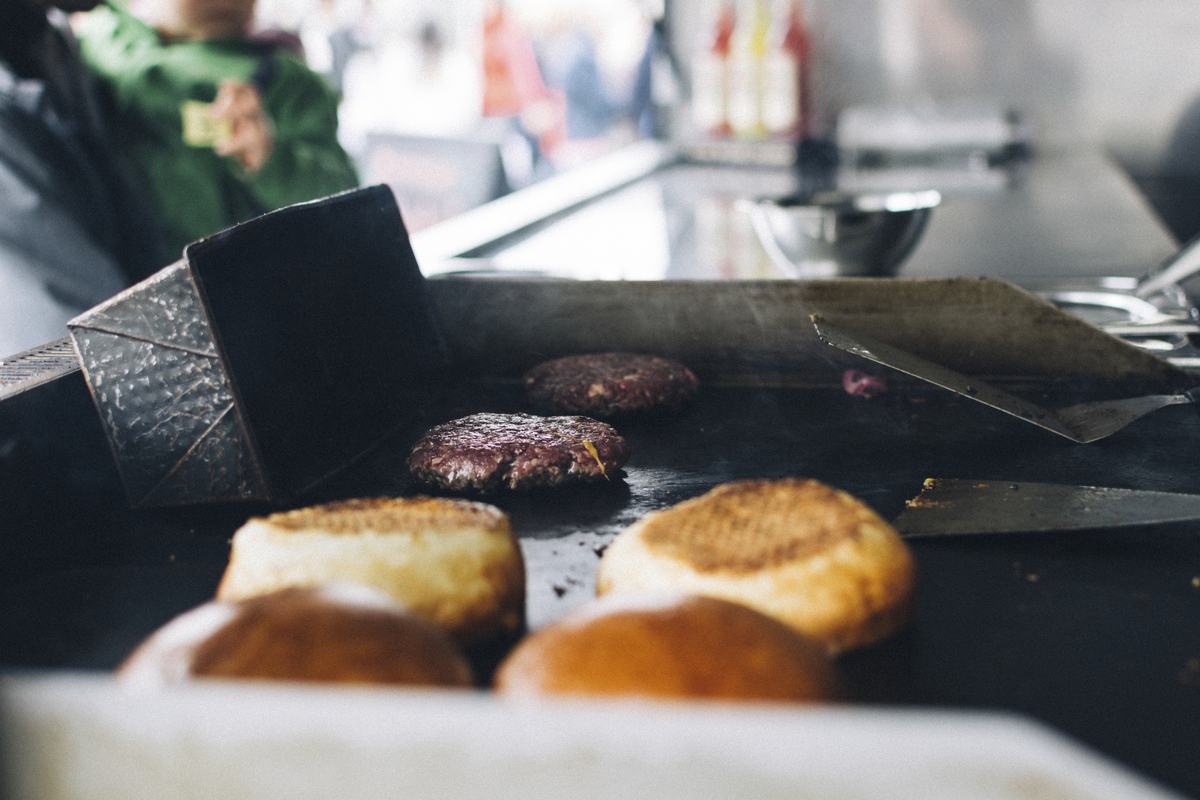
The rise of food trucks generates some conflicts. Cities seek to regulate their expansion for aesthetic considerations. The reserved locations by these mobile restaurants are given with municipal authorization and can often compete with stationary establishments.
We also see the food truck trend extending to other sectors outside of catering. These trucks offer a wide range of services, ranging from beauty treatments to sales of all kinds.
On vetsecurite.com, find a wide selection of clothing, shoes and accessories for professionals in the hospitality sector.