 The best equipment for pros and enthusiasts alike



 Professions

Bars and breweries concern multiple types of establishments with very specific universes, atmospheres and needs. It's a world that ranges from the small neighborhood bar to the bar of a grand hotel, including gastronomic breweries. Exploring the different beverage establishments means determining which attire is most appropriate for service capable of satisfying the customer.
Table of Contents:
Breweries are defined by a meal offering for customers at any time of day. This is often characterized by a fixed menu with simple cuisine punctuated by a "daily special". Costs are generally very reasonable in these establishments that can accommodate between 10 and 100 people. Breweries are also known for brewing their own beers which can thus be served at the bar or at table.
In the same vein, bistros offer menus and table settings with however an ambition closer to the local spirit. Most of the time, these are modest establishments that find a clientele seeking authenticity.
For this type of service with menu order taking, the server's attire will include an apron equipped with practical pockets. The rest of the outfit will vary depending on the establishment's standing. Some chain breweries will require shirts and elegant pants. The manager of the small neighborhood bistro will be content with everyday attire that is sober or casual, but non-restrictive for service days. The same will apply in café-bars and popular neighborhood bars.
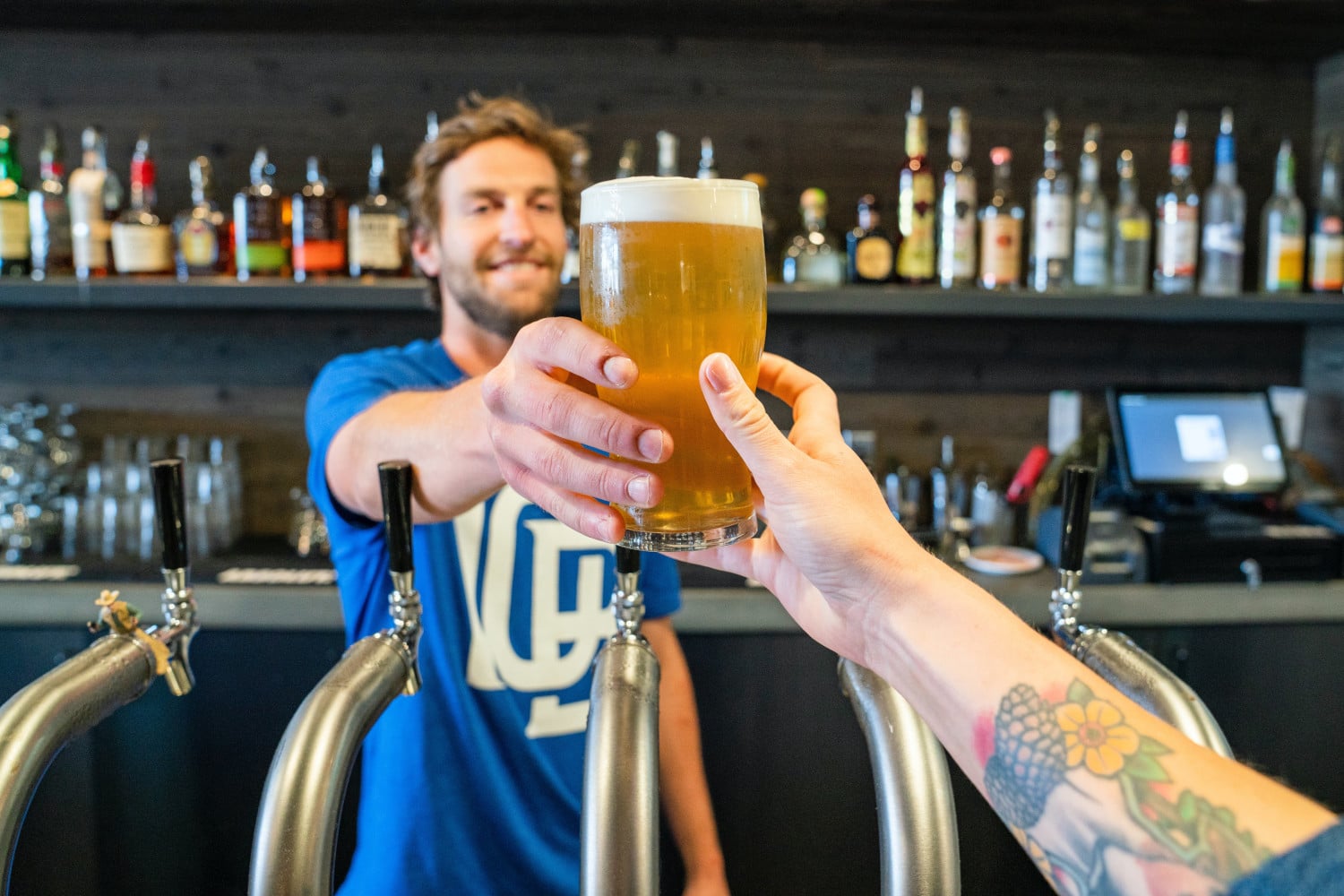
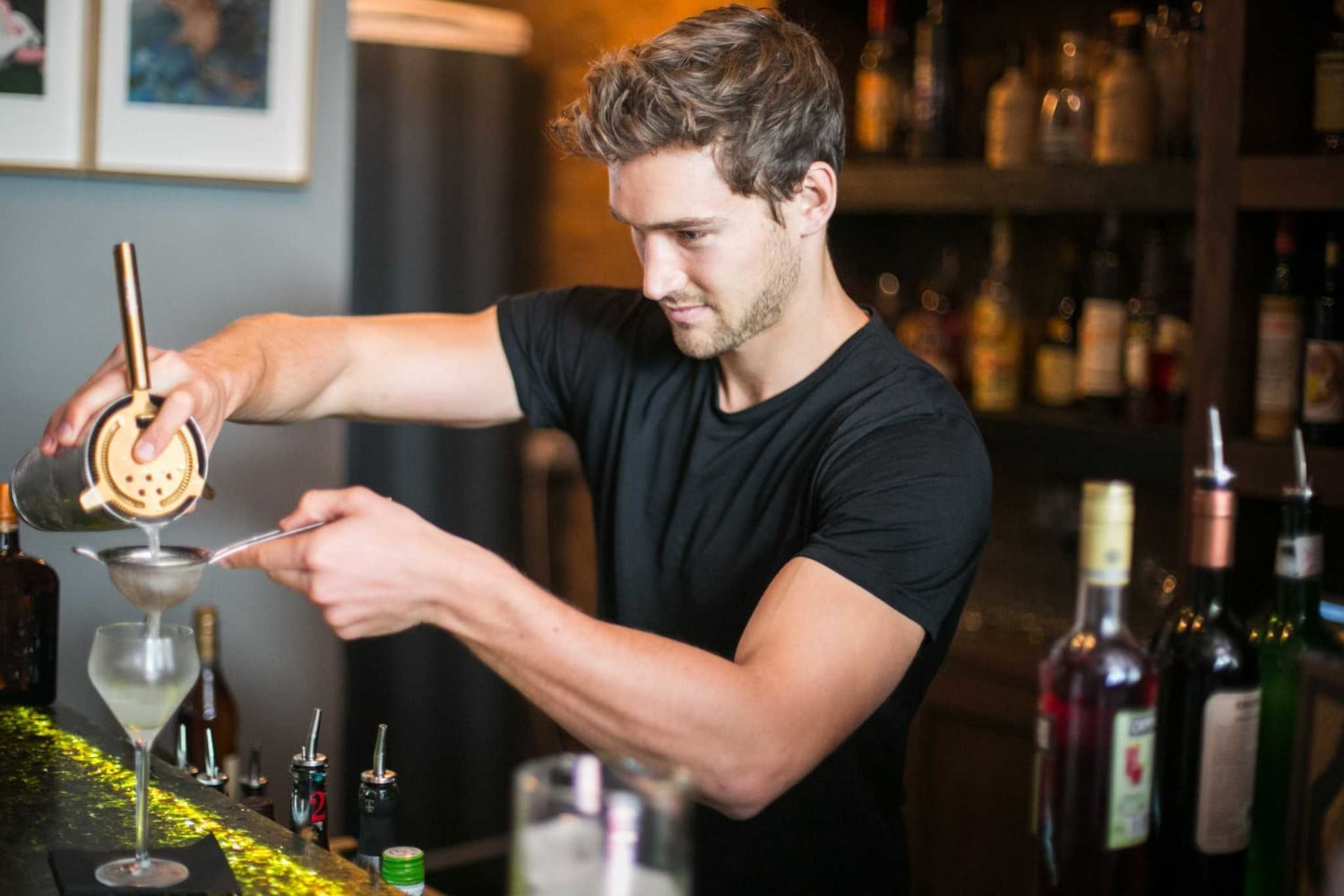
These are the most common bars. They focus primarily on serving beverages, alcoholic or not, of all kinds. There are also specialized bars specifically for a single type of alcohol. Beer bars, wine bars, rum bars, cocktail bars and almost as many others as there are major alcohol families. It's even possible to find alcohol-free bars for more sober needs.
Behind the counter, the bartender wears light and comfortable attire to facilitate movement during busy rushes. A t-shirt or a breathable polo are perfectly appropriate. Jeans with useful pockets combine a contemporary style with some conveniences for service.
So-called gastronomic bars define establishments that propose to focus on a certain type of food products. We can cite salad buffets, tapas bars, pasta bars, soup bars or even healthy juice bars. These establishments offer quick preparations around their preferred food to discover the multiple taste facets of a particular universe.
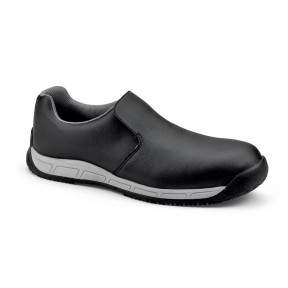
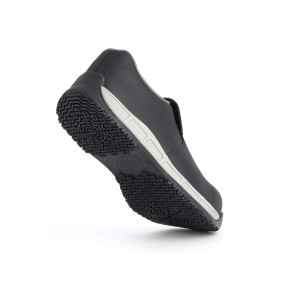
These high concept bars can display a current image with kitchen attire combining design and functionality. A tunic with a modern cut and streamlined pants will be perfectly suited to the task. Not forgetting a pair of non-slip shoes for the smooth floors of these venues.
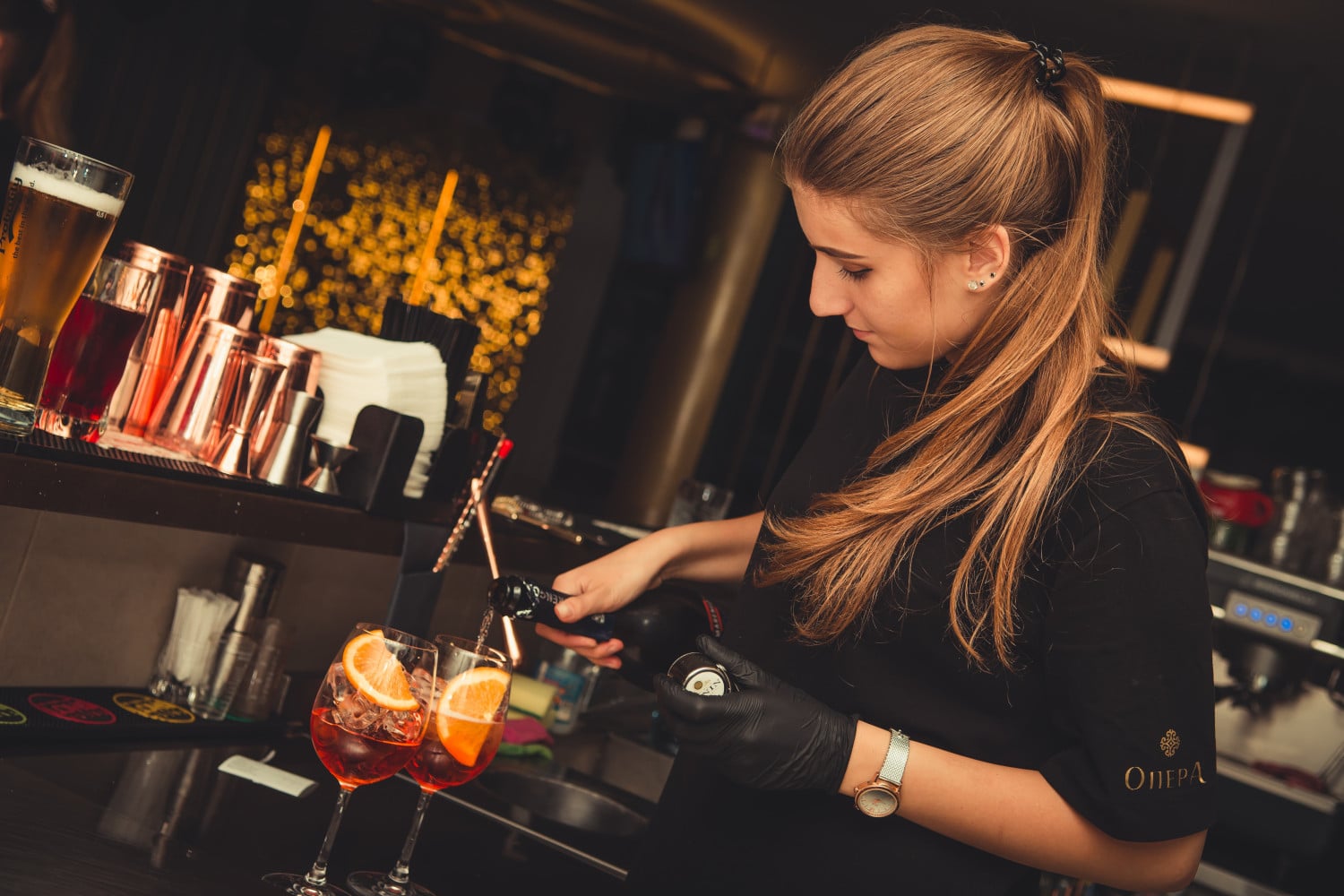
Under this term, we can group bars that attract their customers with an offer in addition to beverage services. This can include the feline company of cat cafés, concerts from music bars, karaoke, or dancing. Games and arcade corners can also be key attractions for a dedicated audience. Finally, nighttime bars are the ideal compromise between a classic bar and a nightclub where many would like to choose to spend their evenings.
Depending on the themes addressed within these establishments, the clothing needs of servers can range from a shirt to a t-shirt. For nighttime bars, nightlife calls for trendy tops and trendy pants.
Finally, bars integrated within a larger establishment concern hotel bars, those in casinos or nightclubs. This involves a bar service for the specific clientele of these establishments.
For hotels, casinos and other high-end venues, classy attire will be required. An elegant jacket , a distinguished apron and graceful pants will compose the adequate outfit for high-end service.
Bars and breweries cover a large number of diverse services and multiple universes. So many needs for a clientele from all walks of life. The server's attire must therefore combine comfort and freedom of movement while adapting to the establishment's context. Beyond serving beverages, the server carries, through their work clothes, the image of the establishment they represent.


