The best equipment for pros and enthusiasts alike









-45%
 Professions

Nutritionist physicians are responsible for monitoring dietary balance. These nutrition specialists are able to support their patients in regaining healthy eating habits in the face of increasingly intense daily lifestyles. In this article, we will explore this wellness profession that is all the more crucial in current times.
Table of Contents:

As a physician, the nutritionist's attire is similar. They can wear a tunic with good freedom of movement, as well as a lab coat. These tops are, most of the time, equipped with pockets for easy access to accessories. This ensemble can also be accompanied by suitable pants. Work shoes meeting EN ISO 20347 standards offer useful characteristics such as anti-slip properties or heel shock absorption. This ensures comfort and safety.
The nutritionist physician should not be confused with the dietitian. These two professions are concerned with dietary balance, but the training is not the same, nor is the professional approach. The dietitian obtains a state diploma (bachelor's +2 or bachelor's +3) to practice in private practice or in healthcare facilities, notably hospitals or nursing homes. Nutritionists, on the other hand, are physicians with a curriculum specialized in nutrition. The role of the nutritionist physician is to perform health examinations related to diet, conduct analyses and prescribe diets and medications if needed.

Among their most essential skills, nutritionist physicians must demonstrate good listening qualities to take into account the patient's history and thus adapt follow-ups, prescriptions and treatments accordingly. Nutritionist physicians diagnose and treat diseases or disorders directly related to diet. They treat nutritional pathologies such as obesity, overweight, food intolerances, digestive disorders, diabetes or hypercholesterolemia. Regarding eating disorders, they handle cases of bulimia, anorexia or food phobias. They are able to provide dietary regimens adapted to a patient's needs. They can also prescribe medications if necessary. They may also be responsible for monitoring people requiring nutritional support, including notably people suffering from type 2 diabetes.
The path to becoming a nutritionist physician stems from a curriculum for a university diploma (DU) or inter-university diploma (DIU) with nutrition as a specialization. These diplomas are offered in higher education institutions in France. They enable specialization for a targeted audience or in a specific field of nutrition. Among the various courses, one can cite diplomas in clinical nutrition, metabolic diseases, micro-nutrition, exercise and health, nutrition and childhood and adolescent obesity, or nutrition and aging. Specialization in nutrition can also be obtained through a Complementary Specialized Studies Diploma (DESC) during medical school.
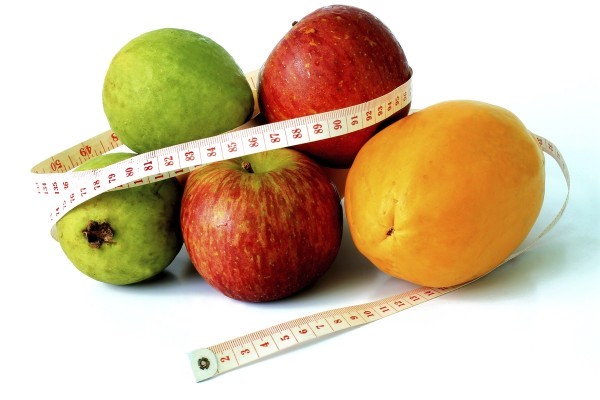
Photo credit: Bio Bean
Nutritionist physicians are thus licensed practitioners responsible for monitoring the good dietary health of their patients. Their guidance helps restore a healthy balance in modern daily life.