The best equipment for pros and enthusiasts alike









-40%
 Professions
ABS plastic, or Acrylonitrile Butadiene Styrene, is an industrial thermoplastic polymer composed of three different monomers (Acrylonitrile, Butadiene and Styrene). This unique combination gives ABS a complete set of mechanical properties, making it suitable for a wide range of applications.
Summary:
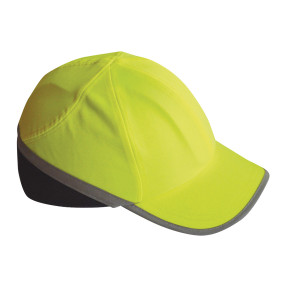
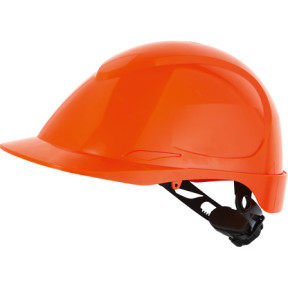
ABS plastic is used in workwear professions, particularly for protective shells of construction helmets and safety caps. This use is due to the exceptional mechanical properties of ABS, which offers a combination of strength and lightness. ABS construction helmets are appreciated for their ability to protect workers' heads against shocks and impacts, while being comfortable to wear for long periods. In addition, ABS is able to resist temperature changes, which guarantees the durability and reliability of helmets in various work environments. Thanks to its versatility and robustness, ABS plastic is a preferred choice in the workwear industry to ensure the safety and comfort of workers on construction sites.
ABS plastic, used in various industries. It offers many advantages thanks to its unique mechanical and chemical properties.
Ease of transformation: ABS is easily transformable into a wide variety of finished products, making it a versatile material for many industrial applications.
Impact resistance: ABS exhibits good impact resistance, making it suitable for applications where durability is essential. It offers protection against shocks and mechanical stress, particularly when used at room temperature.
Chemical resistance: Thanks to the acrylonitrile it contains, ABS offers excellent chemical resistance, particularly to acids and bases of low concentration. This allows it to maintain its initial properties even in the presence of aggressive chemicals.
Weldability: ABS can be easily welded and thermoformed, making it an ideal choice for various manufacturing processes such as injection, thermoforming and even 3D printing. Its ability to be transformed in different ways gives it great versatility in the production of complex parts.
Mechanical properties: ABS offers a combination of mechanical properties that make it a structurally robust and durable material. It exhibits high resistance to abrasion and deformation, as well as exceptional dimensional stability.
Electrical insulation: ABS has exemplary insulating qualities, making it suitable for applications requiring electrical or thermal insulation.
Lightness: Despite its robustness, ABS is relatively light, allowing workers to wear a helmet comfortably for long periods without experiencing excessive fatigue.
Thermal: ABS offers an adequate thermal range to maintain its performance, but its heat resistance is limited. It is generally suitable for environments with temperatures between -20°C and 80°C (-4°F to 176°F).
.jpg)
ABS plastic is used in the field of rapid prototyping (techniques allowing rapid manufacturing of mockups of parts or assemblies using 3D CAD (computer-aided design) data) due to its mechanical properties and versatility. Here is an overview of the advantages, disadvantages of the different qualities of this material used in rapid prototyping:
Advantages of ABS in rapid prototyping:
Process versatility: ABS can be subjected to various manufacturing processes such as machining, polishing, sanding, filing, drilling, painting and bonding, thus offering great flexibility in prototype creation.
Wide range of applications: Due to its mechanical properties and resistance, ABS is suitable for a variety of prototyping applications, including aesthetic prototypes and end-use parts.
Mechanical properties: ABS offers a combination of strength, flexibility, impact resistance and wear, making it an ideal material for machining products in rapid prototyping.
.jpg)
Disadvantages of using ABS in rapid prototyping:
Deformation during 3D printing: ABS is prone to deformation, warping and cracking during the 3D printing process, which can lead to defects in the final prototype.
Printing complexity: ABS printing requires technical expertise and specific features to ensure process success. Without proper management, ABS can produce variable results in rapid prototyping.
ABS extrusion category: This quality is elastic and strong, suitable for products requiring intensive mechanical properties, manufactured by an extrusion process.
Flame-retardant ABS grade: This grade is used for its unique thermal properties, offering strong heat resistance, often combined with other materials for injection molding or extrusion.
ABS injection molding category: These grades are suitable for injection molding, with different qualities based on impact resistance, such as heat resistance, medium and high impact.
Other ABS grades: Other ABS grades are available, often combined with other materials to improve mechanical properties, such as reinforced glass fibers or modified graphite fibers, suitable for various rapid prototyping methods.
ABS plastic (acrylonitrile butadiene styrene) is an essential material in the field of rapid prototyping, used in various industries. It is an optimal choice for manufacturing protective shells for construction helmets, offering an unmatched combination of impact resistance, lightness, durability and comfort.
To choose appropriate work equipment, technology plays an essential role. Vetsecurite.com supports you by offering advice and information on the latest available technological innovations.