The best equipment for pros and enthusiasts alike












-40%
 Professions
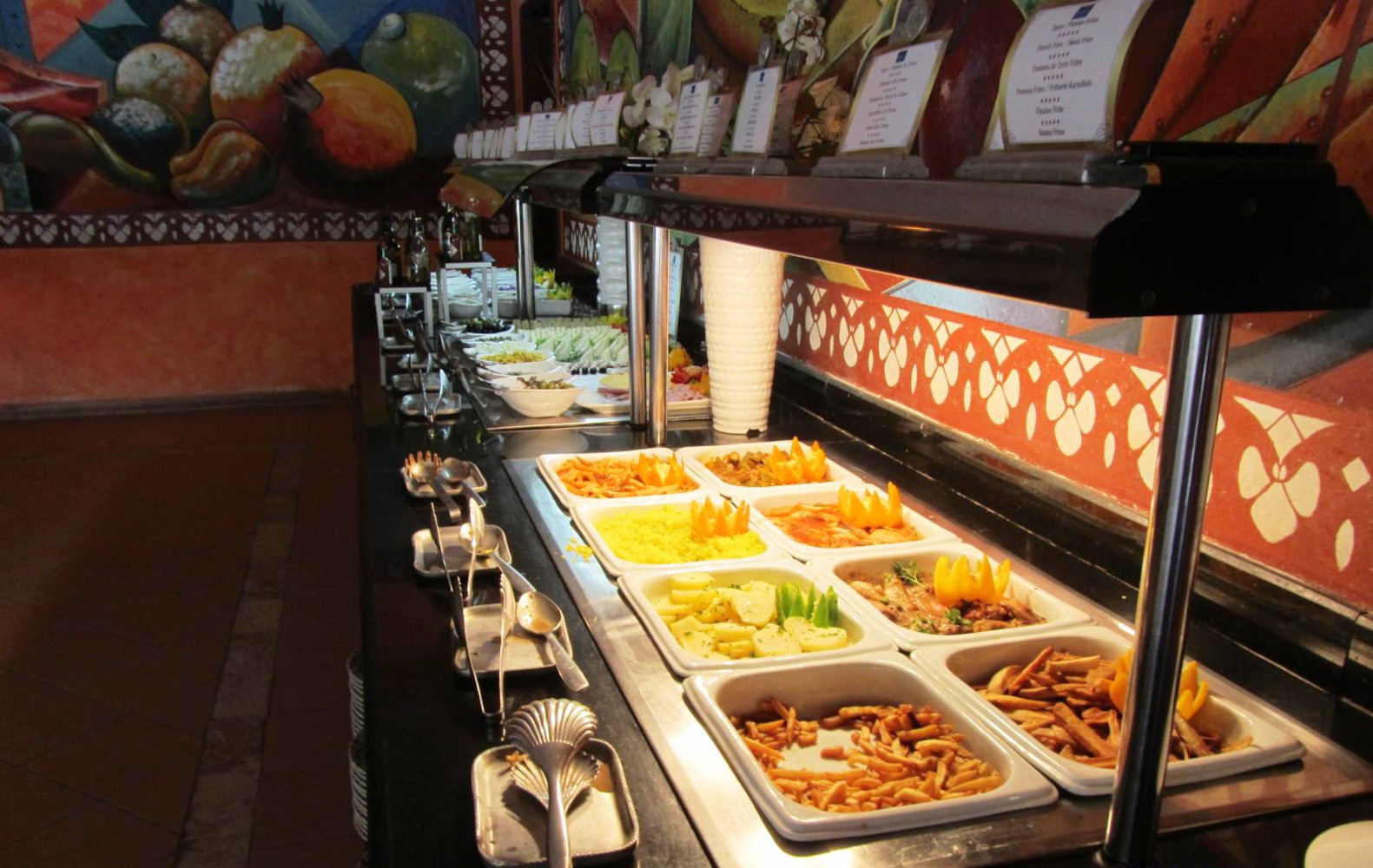
Out-of-Home Catering (OHC) is, for the daily life of many citizens, an essential means to eat easily. Alongside commercial catering (traditional restaurants, cafeterias, snacks and other fast foods), collective catering represents a major part of the food sector. Let's look at its characteristics and the players in this essential sector.
Table of Contents:
The collective catering sector is an industrial branch that aims to design and serve collective meals outside the private home. However, unlike commercial catering, the clients concerned by this type of restaurant are those who frequent collective establishments, from schools to businesses including nursing homes. In this context, the person has access to meals at below the actual price, because the majority of the overall cost is covered by an employer, an institution or any other collective organizations with a dedicated dining space.
In France, several million meals are served every day by collective catering companies. We can distinguish two types of organizations that handle menu preparation. First, private companies under delegated public service (DPS): in other words, contracted collective catering. Then, institutions under direct management or in groupings in the form of inter-municipal catering unions: that is, self-managed collective catering.
To satisfy a wide range of audiences, collective catering is divided into several sectors:
- Education which concerns school cafeterias or university self-service restaurants.
- Health and social services which include hospital services, nursing homes or correctional facilities.
- Work for catering in businesses or administrations.
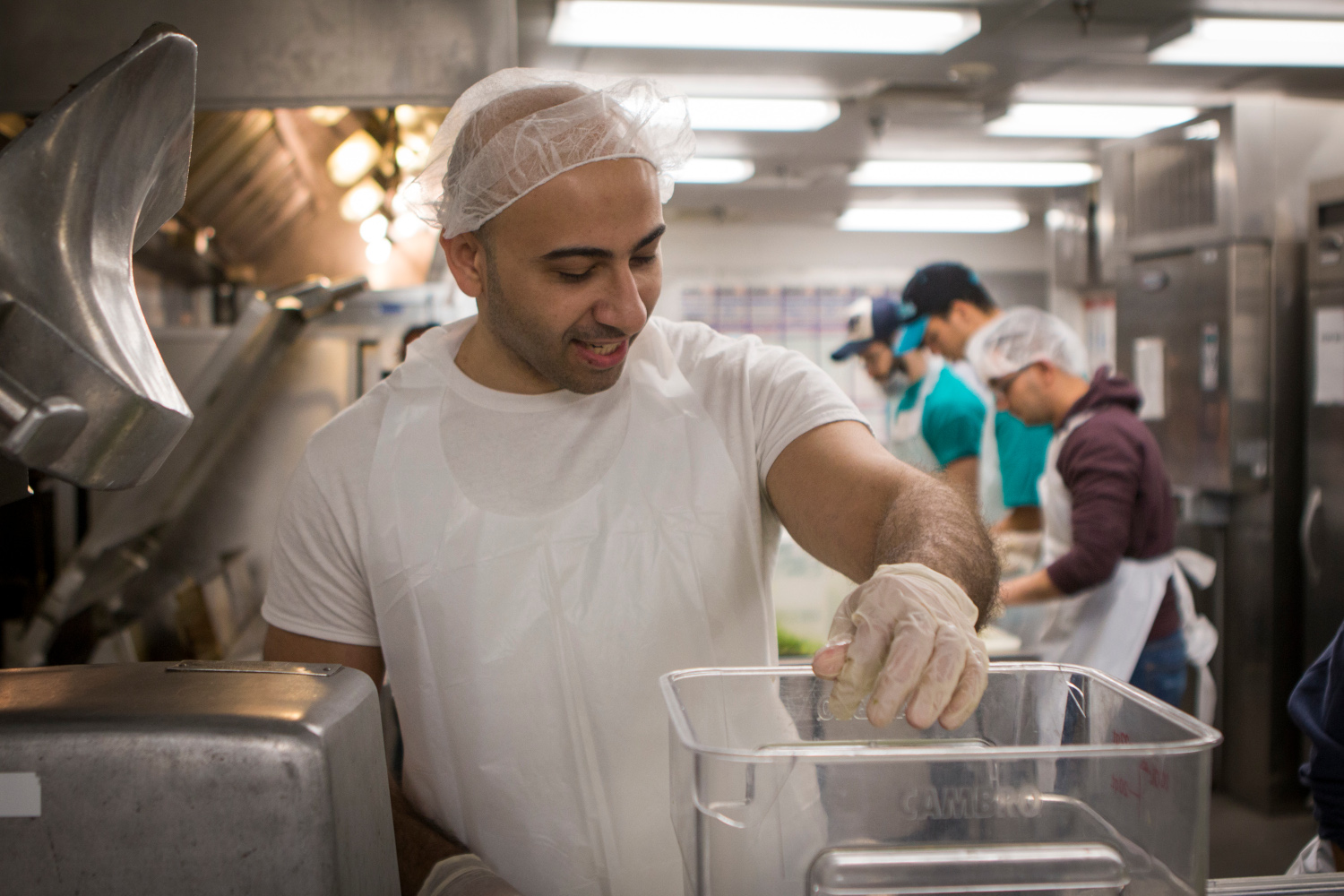
The organization of a collective restaurant requires being able to prepare efficiently and quickly menus in abundant quantities. This is to ensure the daily service of the specific and regular audiences mentioned above. Here is a breakdown of the kitchen hierarchy in this sector.
First of all, the manager or head manager in collective catering is the equivalent of the restaurant director in traditional catering. Their purpose differs however since they must manage and produce meal menus in large numbers following precise specifications determined by the management of the collective catering group they depend on. They must balance quantity, quality and profitability, with a limited budget allocated per person and per meal. They must manage orders and merchandise inventory. They are the ones who lead the kitchen team of the restaurant with work organization, schedule planning and hiring management.
Next comes the production manager, the equivalent of the head chef in commercial restaurants. They ensure the management of meal preparation with quantity and quality requirements while managing cost constraints to offer dishes at reasonable prices. The production manager bases the preparation of menus on developing standardized dishes using allocated supplies, while perfectly respecting standards and hygiene rules. In their tasks, the production manager is assisted by teams of cooks and kitchen assistants, whose work they manage. They also supervise the smooth running of the service.
For the coordination of kitchen teams, the team leader orchestrates the work of various catering employees. Having most of the time experience in team member work, they are perfectly familiar with the operating methods of their establishment's kitchen, from dish preparation to product assembly, including dining room service. The team leader develops the setup of the service, their team's work and enables intermediate dialogue between management and team members. The training of team members also depends on their knowledge and experience.
Finally, the multi-skilled employee is the essential link to ensure meal service to the public in collective restaurants. In their numerous applications, they are capable of performing food cooking, dining room service, menu payment processing or dining room maintenance. They are the direct contact with the clientele and must be able to ensure preparation and plating of dishes, reception, service, payment processing, clearing tables and trays, and cleaning the dining room for subsequent services.
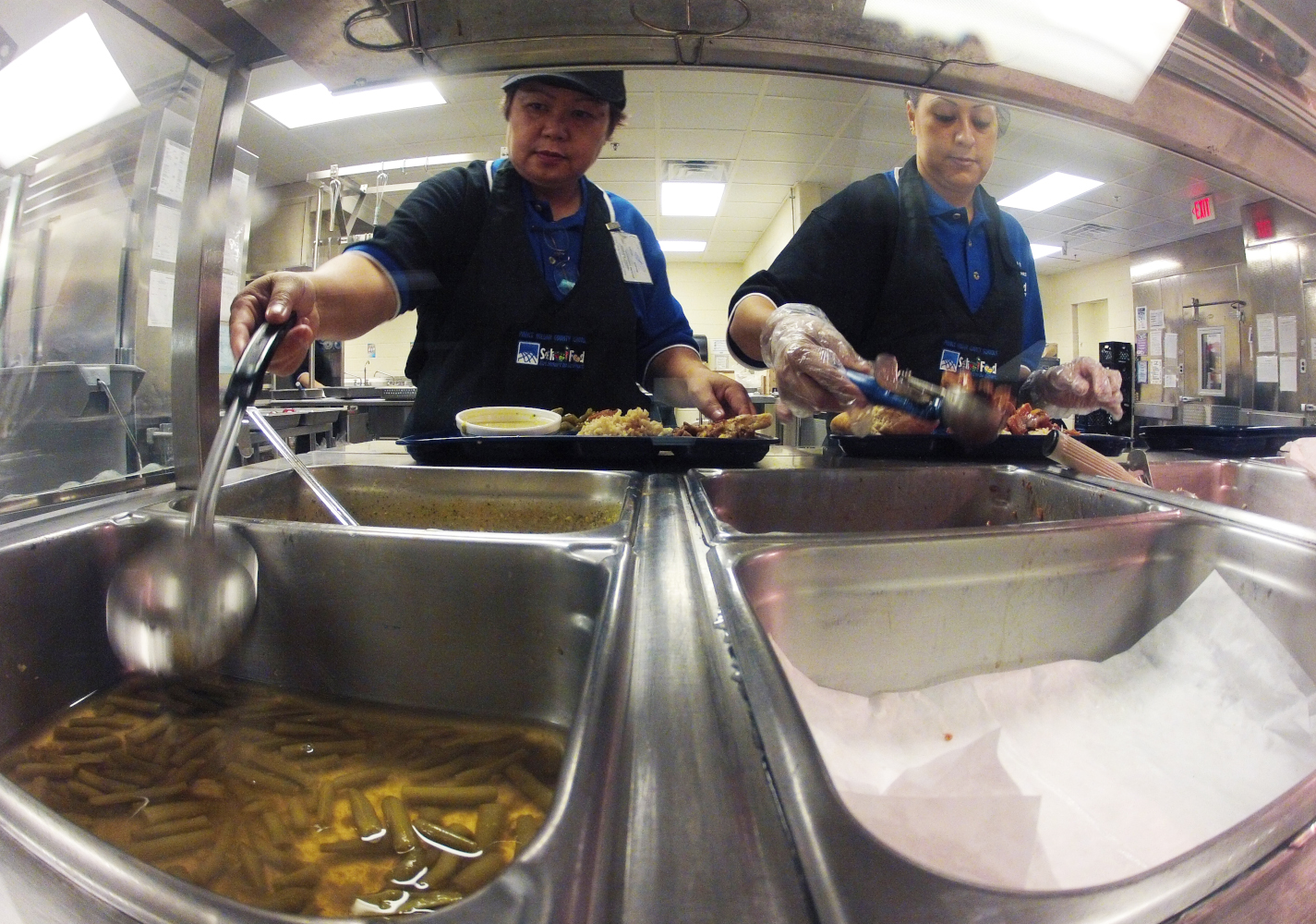
To meet the daily requirements of collective restaurants, teams must be equipped with the most appropriate kitchen uniforms that comply with hygiene and safety rules. To avoid any microbial contamination, work clothing and equipment must effectively cover employees from head to toe. Here is a summary of the essentials of the kitchen uniform.
The light-colored chef's jacket must be able to unbutton quickly in case of incidents or burns. Snap buttons or zip closures are therefore preferred. It can be equipped with a practical pocket on the sleeve to facilitate certain tasks. Just like the chef's jacket, the kitchen pants must be light-colored and must also be able to be removed easily and quickly.
The chef's hat, the skull cap or the kitchen cap, in addition to being emblems of the cooking profession, primarily serve a hygienic purpose. The head, and more particularly the hair, is a real breeding ground for microbes and wearing a head covering is thus inevitable to avoid the inconveniences of perspiration, grease vapors, or hair falling.
The kitchen apron is an essential accessory to keep your uniform as clean as possible, it can be accompanied by large functional pockets which is always a valuable asset in food preparation.
All these professional garments must be changed and washed every day or in any case of soiling or significant stains.
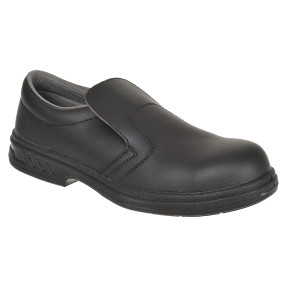
Kitchen floors are smooth and slippery surfaces, wearing non-slip safety shoes is therefore essential. They include a protective toe cap to avoid risks from falling heavy objects.
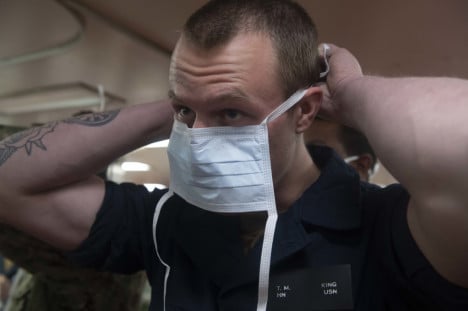
In the range of kitchen accessories, disposable gloves prevent the transfer of pathogenic elements to food products. Protective masks, for their part, help avoid respiratory contamination from reaching employees, cooked preparations or customers, which is even more crucial during this period of health crisis.
This vast selection of uniforms and kitchen equipment ensures, with complete peace of mind and in compliance with hygiene rules, the best possible service for consumers in collective restaurants. On vetsecurite.com, find a wide selection of clothing, shoes and accessories for food service professions and the culinary-restaurant sector.
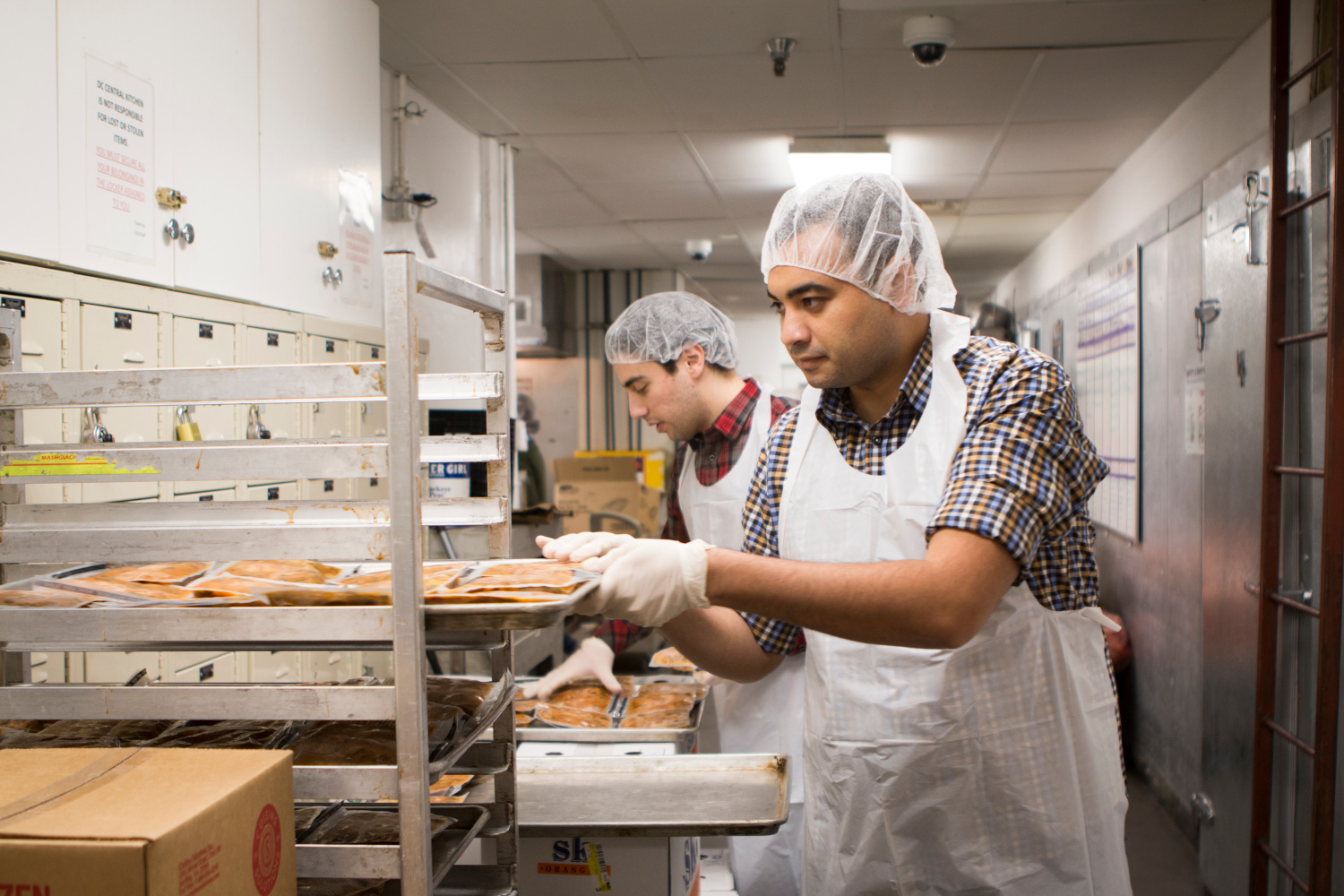
Collective kitchens are an important part of the daily life of many citizens, from schoolchildren to retirees, including company employees. This vast sector ensures every day, thanks to its numerous players, a demanding service to feed a large part of the population, while respecting health requirements with appropriate uniforms.