The best equipment for pros and enthusiasts alike












-40%
 Professions
The anti-waste law for a circular economy (AGEC) dates from February 11, 2020. It aims to move towards a circular model that is more eco-responsible to break away from the current linear economic model (" make, consume, throw away "). The circular model must be integrated throughout the entire life cycle of a product : Design, consumption and waste management. The AGEC law therefore applies to all major production areas. Whether it be construction, industry, agri-food, medical, catering or others, the majority of professional sectors must face the challenges of the law. The latter sets itself five major objectives: The end of disposable plastic, consumer information, action against waste and for solidarity reuse, the fight against planned obsolescence and the improvement of production methods.
On vetsecurite.com, find many products at the best price among the biggest brands. Clothing, accessories, shoes as well as eco-responsible equipment are available to allow you to practice your profession in complete safety and comfort.
Table of contents:
The law provides two major objectives for the end of disposable plastic. First, that of moving entirely towards recycled plastic by 2025. The second objective is to ensure the end of sales of single-use plastic packaging by 2040. This plan proceeds with progressive bans on single-use plastic products. As is already the case with the ban on plastic straws since January 1, 2021. Another factor that can limit single-use plastic is to encourage bulk sales.
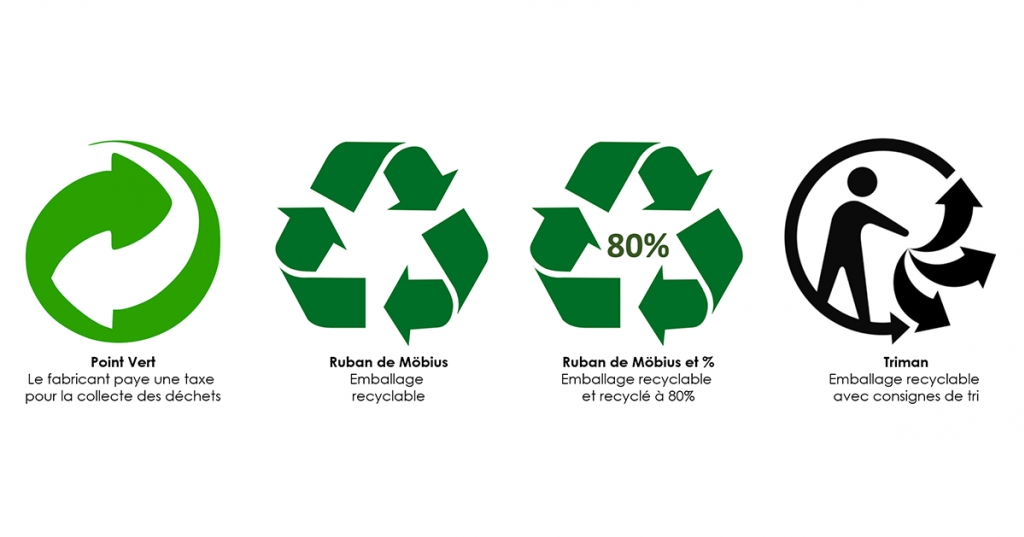
For more clarity, several logos have been created to help the population sort waste more efficiently. However, they are most of the time misinterpreted. The AGEC law then undertakes a generalization of signage. The Triman carries the meaning that a product bearing this mark is recyclable and must be sorted. In addition, the colors of bins will be distinguished according to types of waste and standardized at the national scale.
The circular economy principle of the AGEC law reaffirms the measures introduced to limit food waste. The Garot laws of 2016 and EGALIM of 2018, ensure for example the prohibition for distributors to make unsuitable the foodstuffs that are still consumable. It also affirms the obligation for establishments and stores of more than 400 m² to sign a donation agreement for the benefit of charitable associations to redistribute unsold items. The law also concerns non-food unsold items. Industries will thus no longer be able to dispose of textiles, shoes, household appliances, cosmetic products or hygiene products that are in new condition. These unsold items will (except in exceptional cases) be destined to be transferred to associations or to be recycled. The sale of medicines by unit, bulk sales and the end of systematic printing of receipts also falls within the framework of the law to limit packaging consumption and paper.
Planned obsolescence is the principle of deliberately reducing the lifespan of a product in order to force consumers to have to change it regularly for a new item. According to a study by ADEME, only 40% of breakdowns of electrical or electronic products are destined to be repaired in France. This makes them obsolete and therefore become waste, often bulky. The goal is then to improve this result and to extend the lifespan of everyday objects. The law has recommended since 2021 a repairability index. This allows to indicate to consumers the repairability of a product according to a score out of 10 with 5 criteria. These are the documentation provided by the manufacturer, the ease of disassembling and reassembling the product, the implementation of a usage counter, the availability of spare parts and their cost.
The last pillar of responsibility is held at the level of production itself. Producers are thus required to reduce the impact of their production. They are also encouraged to develop eco-design of products and to finance waste management. The circular economy law counts on the creation of new EPR sectors. This is to control food packaging, construction materials from the building sector, toys, sports and leisure articles, and DIY articles, chewing gum, textiles and other articles containing plastic.
These are therefore these major axes that seek to converge towards a more conscientious circular economic model. This ranges from production limiting plastic to the fight against waste, including consumer information. The AGEC law is a first step towards a more eco-responsible future.