The best equipment for pros and enthusiasts alike

 Professions
The explosion in the number of fitness practitioners has enabled the growth of many professions. Among them, existing professions that benefit from this new clientele or professions designed to meet the demand.
Table of Contents:
In recent years, fitness has become very trendy. Whether to lose weight, build muscle or simply maintain good physical fitness, many people have started, making the gyms that have emerged throughout France prosper. If you are passionate about fitness and want to make it your profession, the possibilities are not lacking, numerous titles accessible through official diplomas have been created to satisfy the needs of practitioners, whether they respond to them directly or indirectly. We will see what these professions are, how to practice them and what equipment is required to optimize one's way of working in this field.

The objective of fitness is to practice physical activities using equipment and/or accessories to maintain one's body and health. The professions related to this practice can be separated into two categories.
In the first, we find the professions that serve to help practitioners during their efforts. We give them technical advice on their movements, their breathing or their positions. This is the case for the profession of sports coach and physical trainer, often confused, however very different.
The profession of sports coach generally consists of helping beginners (there may be exceptions), people who are presumably not very athletic who would like to start for various reasons. This coach accompanies them in their progression by setting goals for them and while ensuring that they do things correctly, step by step. They can intervene for one person or for a group in a gym, at home, in schools, or even in companies for workplace wellness issues. To access this title, one can go through a bachelor's or master's STAPS, professional degrees, a professional certificate (BPJEPS) or a state diploma (DEJEPS).

The activity of a physical trainer differs by the clientele targeted. Indeed, a physical trainer will target people who are already very athletic or even professional in sports other than fitness, and will through this practice help them stay at the top of their physical form to improve their performance before a competition or to maintain their level over time. This profession can be practiced within a gym, a sports federation, a club or individually. One can do this job thanks to the same training as the sports coach profession, but others are added such as the Master in Training and Optimization of Sports Performance. In prestigious football clubs, a physical trainer can earn up to more than 10,000 euros per month.

The second category groups together professions that do not directly help the client progress in the sports field, but that come as a complement to the professions in the first category. The representatives of these professions can provide advice on the nutritional or physical level, which is almost essential when you want to transform yourself physically. Poor nutrition will make physical transformation very complicated even when doing a lot of sports. There are therefore many professions that can help people in these areas. This is the case for the professions of dietitian-nutritionist, doctor-nutritionist or even osteopath.
We often hear the term nutritionist to refer to the profession of dietitian-nutritionist or doctor-nutritionist. In reality the title of nutritionist alone does not exist, it is always associated either with the profession of dietitian, or with the profession of doctor. Many unrecognized diplomas are issued, and giving paid nutrition advice without being qualified is punishable by fines and prison sentences.
The profession of dietitian nutritionist consists of advising people who want to lose weight or gain weight. For example, we seek to identify the bad eating habits responsible for an imbalance in the client in order to tell them what they eat too much or not enough of. This profession is practiced in school settings in a preventive context, in hospital settings or in private practice. It is accessible through a BTS specialty in dietetics or through a DUT Biological Engineering option dietetics.

However, if the imbalance is not simply due to bad habits, but is created by a health problem or conversely the imbalance creates the health problem, it is advisable to rather consult a doctor nutritionist. This doctor specializes in this type of disease which includes obesity, diabetes or even anorexia and is able to prescribe examinations or treatment. To access this title, it is necessary to complete a bachelor's + 6 in medicine then four additional years of specialization in nutrition.

This profession has had derivatives such as the professions of micro-nutritionist doctor or chrono-nutritionist doctor. The micro-nutritionist doctor studies our micronutrient deficiencies, that is, the nutrients that we do not synthesize and that we find only in our diet. The chrono-nutritionist doctor is interested in our metabolic cycle, in short, they advise you on the times at which to eat. Depending on the moment, our food is not consumed in the same way by the body, it will sometimes be directly used and other times stored.
The profession of osteopath can also be very useful in fitness. Indeed, according to the particularities of your skeleton, certain exercises may be discouraged. Moreover, the manipulation of bones can relieve pain due to fitness and allow an improvement in performance. To practice this profession, one must hold the DO (osteopath diploma) obtainable exclusively in private establishments approved by the Ministry of Health.

For all these professions, Vetsécurité offers appropriate clothing, which provides protection, comfort and practicality to those who wear them.
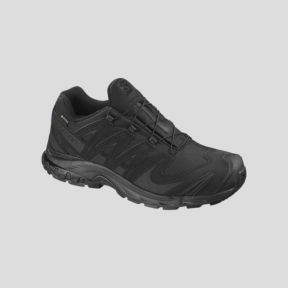
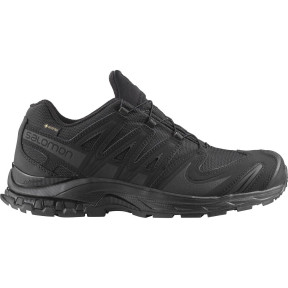
For sports coaches and physical trainers, you can find on our online store sports shoes, clothing that will allow you to stay dry and clean, and various accessories such as stopwatches, neck gaiters, beanies, caps or even towels.
For hospital professions, Vetsécurité offers a wide choice of products designed according to precise standards that ensure both the safety of the professional and that of their clients.
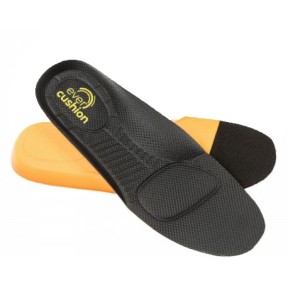
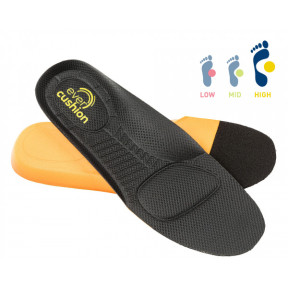
First, we find shoes, offered by different brands such as Birkenstock, Safety Joggers or even Nordways. They are all manufactured with the aim of providing good walking comfort to professionals who remain standing for long periods on smooth and hard floors while protecting them from falls thanks to their anti-slip properties. They are also very often anti-bacterial, moisture-resistant and easy to clean and therefore perfectly adapted to hospitals. Among the clothing, there are pants and tunics once again adapted to hygiene standards and which have numerous pockets. The main brands offered are Lafont, Hasson and SNV Pro. As for accessories, Vetsécurité offers breathable socks, masks, comfort insoles, disposable gloves and anti-bacterial caps.