The best equipment for pros and enthusiasts alike








 Professions
Public establishments (ERP) as well as businesses must comply with very strict regulations regarding fire prevention. If these fire safety obligations are not respected, the owner(s) may face criminal sanctions or temporary or permanent administrative closure.
Summary:
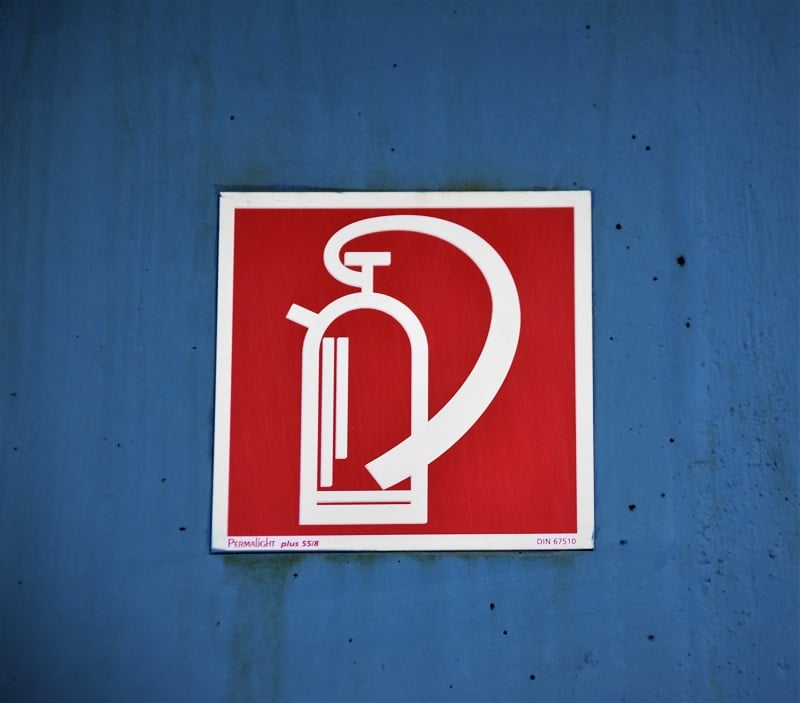
According to the Labor Code, companies must inform employees about the conduct to follow in case of fire. Therefore, the company has an obligation for marking and signage. Signage and lighting must allow for delimiting risk zones and guiding the public toward safety zones. Every company must display evacuation routes, external stairs and emergency exits as well as alarm systems and extinguishing equipment in its evacuation plan.
The Labor Code (Articles R4227-34 to R4227-38) makes it mandatory to display fire safety instructions, regardless of the company's size. These instructions include :
the names of persons responsible for rescue equipment
The names of persons responsible for evacuating staff and/or the public
The alert procedure
The evacuation process
The location of the assembly point
The location of extinguishing equipment
Regarding public establishments (ERP), according to the Housing and Construction Code (art. R. 123-4) : Buildings and premises where public establishments are installed must be constructed in a manner that allows for rapid evacuation and in good condition of all occupants.
Evacuation of persons may be organized in case of:
Fire and/or presence of smoke
Manual triggering of an alarm
Bomb threat
Natural disasters (flood, earthquake, etc.)
Risk of collapse
Chemical risks
Gas emission
Evacuation of staff and the public must be organized whenever there is a risk to building occupants. In order to proceed with evacuation in an orderly manner and in compliance with instructions, companies conduct public evacuation drills.

A public evacuation drill helps raise awareness among building occupants about risks and teaches them to react by following safety instructions. Without these regular drills, the public might tend to head toward the exit that is most familiar to them instead of the one that is closest.
These drills also help work on reaction time, proper conduct and what not to do (ignoring the alarm, putting away belongings, saving work, …) as well as reducing the risk of panic during a real evacuation. They also help verify that the audible alarm is heard by everyone. Finally, these false alarms are useful for testing and challenging the establishment's evacuation plan and, if necessary, modifying it.
Whether in the context of a drill or during a real situation, an evacuation team must be ready to intervene. It is their responsibility to manage public evacuation and ensure that the premises are completely empty before providing all useful information to rescue teams. This team generally includes :
A supervisor : they coordinate the file guides and file closers, inform their management and welcome rescue teams.
File guides : as the name suggests, the file guide must guide the people they are responsible for to the assembly point and then proceed with roll call. In case of absence of a person in the group, they must notify their file closer.
File closers : the file closer is the last to leave the premises. They ensure that the area they are responsible for is properly evacuated and proceed to close doors and windows.
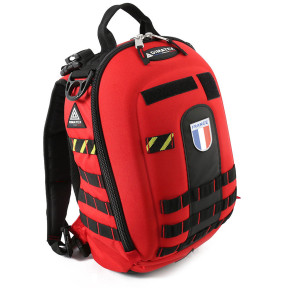
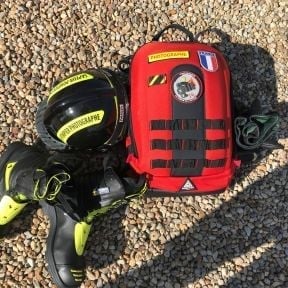
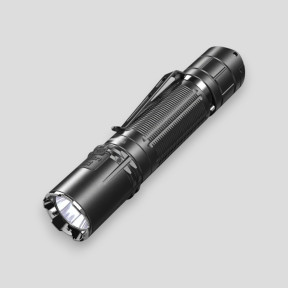
On vetsecurite.com, find a wide selection of products at the best price for fire safety agents: clothing, intervention shoes and boots, equipment, materials and bags.