The best equipment for pros and enthusiasts alike
 Professions
If you are a woman who loves hiking, bivouacking and adventure, but you're afraid to get started, this article is for you. However, this article is equally addressed to you if you are a man since the advice we will give you can actually apply to anyone wanting to hike or bivouac solo.
Table of contents:
Yes, this may seem strange at first, a bit esoteric or not very serious. Yet many experienced hikers will also give you this advice. If you feel uncomfortable at the place where you planned to set up your tent, if you have the impression of being watched or simply in danger, listen to yourself and change location. At worst, you will have used some of your energy for nothing, but it's always a lesser evil compared to the possibility of a bad encounter or an accident. Conversely, be careful not to fall into paranoia, the probabilities of human, animal attack or natural disasters remain low. This should not prevent you from practicing your hobby and enjoying it fully.
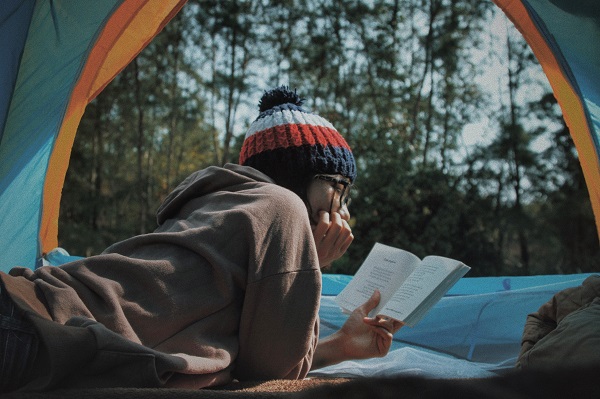
The first rule is simple and non-negotiable. Before going alone on trails (and even more so in the mountains), inform one or more loved ones. Without falling into the excess of sharing your GPS position live or sending a text every five minutes to your parents, hikers and outdoor activity enthusiasts in general should always keep a loved one informed of the location of their outing as well as the duration. If you have planned a precise itinerary, you can share it as well. This precaution could save your life in case of a fall, if you get lost or if you need help but can no longer use your phone. In case of trouble, the person can thus alert emergency services.
The second rule concerns bivouacking and respecting legislation. In France, in most regional natural parks, bivouacking is often tolerated, unlike wild camping. To remain legal, you will therefore have to sleep under the stars or with a lightweight tent from sunset to sunrise. This should be for only one night in the same place and away from road access, historical monuments and water sources captured for consumption. Depending on the location, campfires may be authorized or prohibited. Before leaving, you will therefore need to ensure you can set up your camp legally or risk incurring fines ranging from first to fifth category.
The third and final rule is to properly prepare your outing, not to leave on a whim, in poor weather conditions or on a trail too difficult for your level. Similarly, try as much as possible to stay on marked trails.
A hike or bivouac outing cannot be improvised. Good preparation is the key to success. Planning your itinerary is essential. Study the map before leaving to have a precise idea of the trail taken. If this is your first solo hike and you're a bit scared, start with an easy walk near your home or in a region you already know. You can also opt for a place known by other outdoor enthusiasts where you'll be sure there will be many people.
You will also need to pay extra attention not to forget any equipment or material. For this, it can be wise to prepare a checklist a few days before your outing so you can come back to it later in case of oversight.
Another essential point is the weather. Even if it's not always an exact science, don't leave without consulting the latest weather reports. Not only is it not necessarily pleasant to bivouac in the rain, but it can also be dangerous, especially in the mountains. Cold, fog or storms are all potentially dangerous situations.
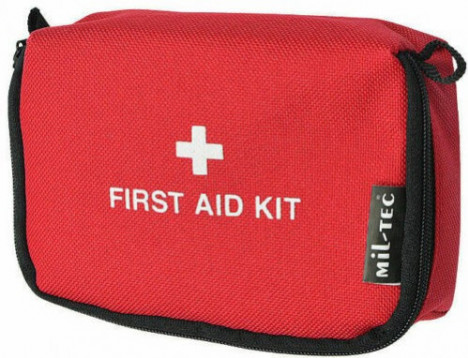
The most probable eventuality remains injury, so you must be capable of self-sufficiency for at least one day. In your bag, we therefore advise you to carry at minimum:
a whistle to signal your presence or scare away animals,
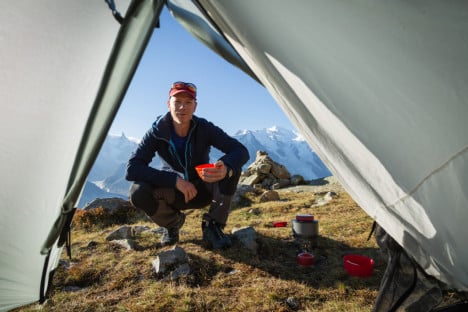
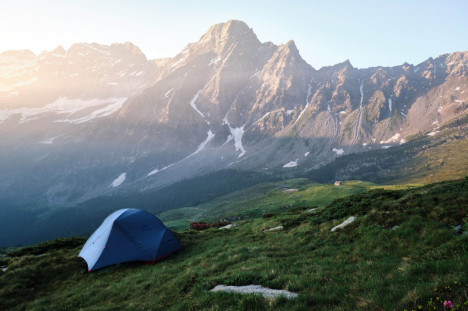
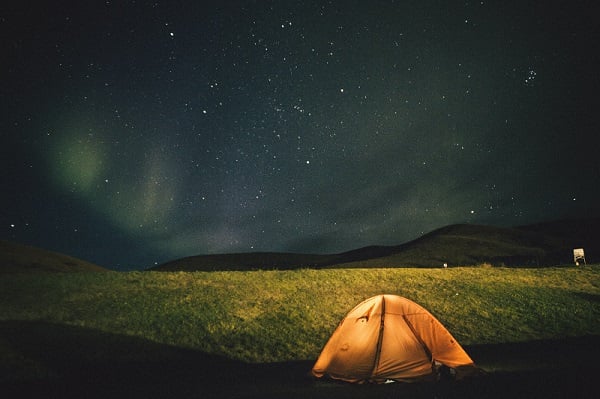
If you plan to bivouac, opt for a camouflage tent that will allow you to blend into the landscape. Also remember to bring food supplies and a minimum of water (1.5 to 2 liters). If you're really afraid of bad encounters, wild or aggressive animals (livestock guardian dogs protecting a herd for example), you can consider carrying a defense spray pepper gel type with you.
Warning: we remind you that this type of aerosol should only be used for self-defense and that the user alone is responsible for its use.
On vetsecurite.com, we offer thousands of products at the best price and specially designed for women. With our women's bivouac range, find all your favorite brands and many others you may not know yet. Clothing, shoes, backpack, survival equipment, technical underwear, all essential products are available on our site. Delivery is free from €69 purchase and you have 30 days to change your mind, so don't hesitate!
Whatever your motivation and level, hiking and bivouacking alone should remain a pleasure, provide you with well-being and allow you to recharge in nature. But what are the benefits? Believe it or not, solo bivouacking can be liberating. Indeed, alone, we are even more in tune with our body and mind. We move at our own pace, no one imposes it on us. And if this is your first solo hike, it's a perfect opportunity to step out of your comfort zone.