 The best equipment for pros and enthusiasts alike









-
 Professions
-
-
-
-
-
-
-
-
All Tops
![All Tops]()
-
-
-
All Bottoms
![All Bottoms]()
-
-
-
All Footwear
![All Footwear]()
-
-
-
All Bags
![All Bags]()
-
-
-
All Accessories
![All Accessories]()
-
-
Sometimes accessible without diplomas or requiring more skills depending on responsibilities, large retail careers cover a very wide spectrum of positions in a sector that recruits consistently. From headquarters to the warehouse through the store, work environments are also diversified and can offer numerous career advancement opportunities. We offer you here an overview of key professions in large retail.
Summary:

Headquarters
This is where the entire commercial strategy of large retail chains is coordinated. Generally occupied by executives, headquarters positions range from management to marketing, including communication and purchasing.
The role of the buyer is to negotiate at the most attractive rates a large stock of products that will then be distributed to the group's various points of sale. Often specialized in a specific field, the buyer follows a well-defined purchasing strategy and exercises their negotiation talents with different suppliers. The quantity of items to order is determined in agreement with sales managers and store managers. In the case of large retail, the franchisor most often manages a purchasing center on a national scale for all the group's stores. This is what handles product management and supplier research via calls for tenders.
Communication strategies and promotional actions are conducted by a category manager whose primary mission is to maximize the sale of certain products. This booming profession involves knowing how to precisely analyze customer purchasing logic to meet their needs and anticipate their expectations in order to coordinate store assortment. In agreement with the brands concerned, promotions constitute the essential weapon of marketing professionals for an effective sales strategy by building customer loyalty.

The warehouse
Responsible for ensuring store supply in the shortest time possible, people working in warehouses must control inventory and manage orders. Among them are logistics system managers responsible for optimizing storage and transportation methods for merchandise. These logistics specialists must find the most economical and efficient method to ensure the placement of new products on shelves.
Warehouse workers store merchandise in the warehouse before ensuring their transport to the store. They are an integral part of smooth logistics operations and are responsible for unloading merchandise, verifying it (quantity and quality), then storing it. They keep inventory records up to date and prepare shipments.
The quality manager ensures that products comply with current standards and meet the company's quality requirements. They maintain regulatory and technological watch to update information materials and represent the company to customers and suppliers.
The role of warehouse staff can sometimes extend to transporting packages to loading docks, in which case they must be authorized to operate forklifts with a forklift license. All warehouse professionals must wear safety shoes meeting S1P or S3 standards appropriate to their function, or even protective gloves, multi-pocket pants and high-visibility vests.

The store
Under the supervision of the director, professionals who work directly in the store fulfill multiple roles. Sales associates or commercial employees are responsible for arranging products according to the department manager's instructions while ensuring the department's cleanliness and product display. They must be able to inform customers and therefore know their products perfectly.
The manager or department head is responsible for a department's activity, which involves negotiating rates with suppliers and properly managing inventory by setting prices and promotions with appropriate labeling.
It is the merchandiser's responsibility to make products visible in order to optimize sales with relevant displays. The window dresser then sets up the windows and end caps to make the merchandise as attractive as possible.
Essential to the store's proper functioning, cashiers record the prices of purchased products and collect payments before passing them on to accounting. In case of problems, customers must be able to contact the after-sales service manager who guarantees handling returns and can call upon technicians if needed.

Drive and delivery
In the case of structures offering customers the possibility to order remotely, a trend that has been greatly accentuated by the health crisis, "drive-through" or "click and collect" services are implemented. When order preparation is not done directly in the store but in a dedicated depot, order pickers, or logistics agents in warehousing, proceed to box the items ordered by customers as well as label them for shipping. They must also ensure proper packaging of products.
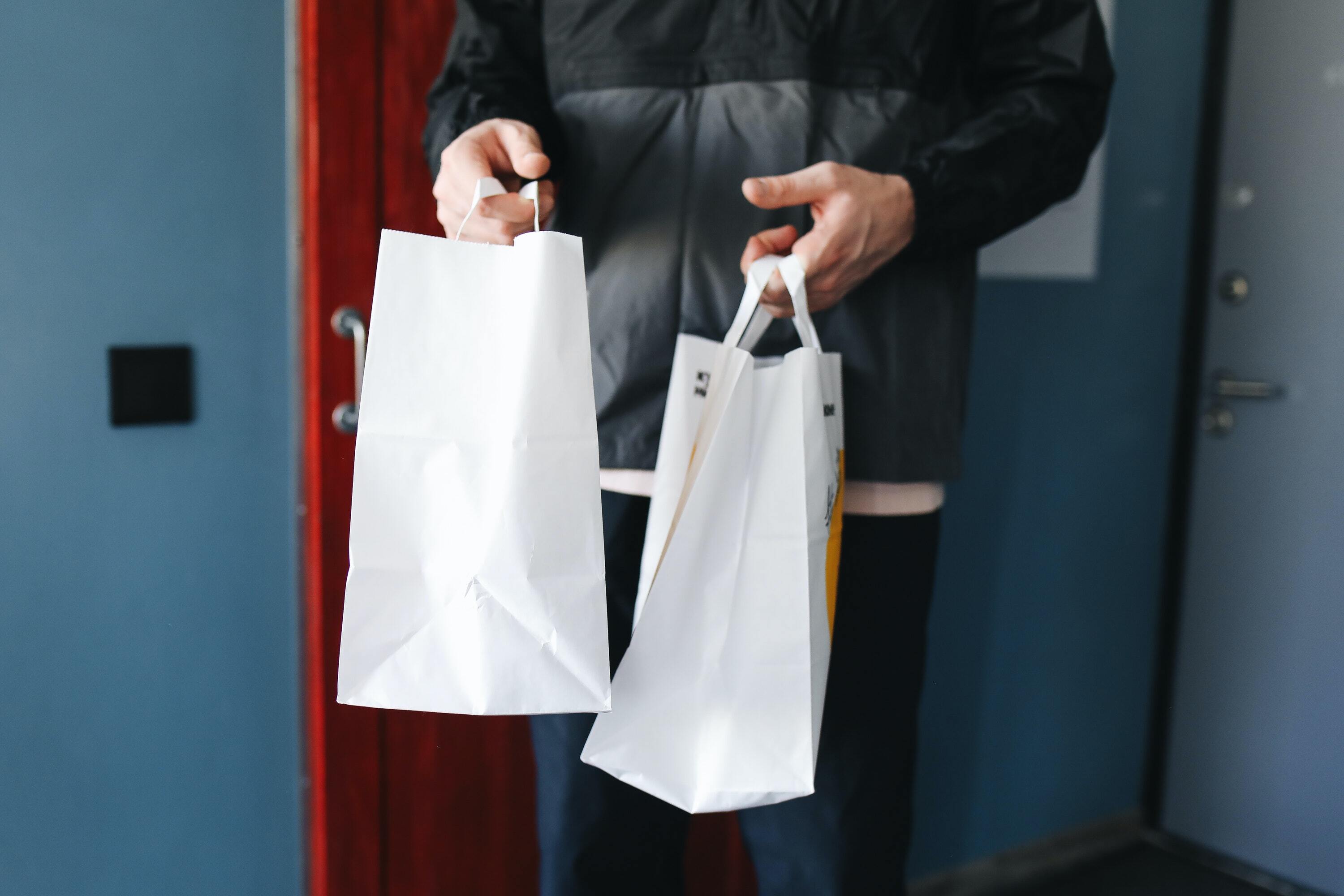
In structures that allow remote sales, the use of delivery drivers is also essential. They are the ones who make deliveries to customers in the shortest time possible, from the warehouse or point of sale to their home. Armed with their driver's license, delivery drivers most often use a light vehicle or scooter. They are generally attached to a company specialized in delivery.
Related products
-30%
Related articles


-
![Over 200 brands At the best price]() Over 200 brands At the best price
Over 200 brands At the best price -
![Secure payment In 3 or 4 interest-free installments]() Secure payment In 3 or 4 interest-free installments
Secure payment In 3 or 4 interest-free installments -
![Delivery across Europe From €79 of purchase]() Delivery across Europe From €79 of purchase
Delivery across Europe From €79 of purchase -
![Customer service Monday to Friday]() Customer service Monday to Friday
Customer service Monday to Friday


