The best equipment for pros and enthusiasts alike








-35%
 Professions
The work of the forge has crossed the ages and shaped myths. In all times and all civilizations, the heirs of Hephaestus have crafted, thanks to their unwavering know-how, the hardest metals of the human era. Generation after generation, this ancestral trade has evolved with the ever-increasing needs for metal in our modern world. We will therefore today explore the different aspects of metallurgy that harness the talents of those who have conquered the enigmas of steel.
Summary:
The blacksmith's activity is as old as the very discovery of the unique properties of metal, over 7000 years ago. First by hammering copper and gold found in their natural state, then by beginning to shape metal after heating it to high temperatures since antiquity. The first bronze alloys generated the age of the same name which extended from approximately -2500 to -1000. This was succeeded by the Iron Age with fusions of materials at ever higher temperatures thanks to blast furnaces which then evolved into blast furnaces with their first cast iron pourings. Throughout these periods, the blacksmith worked with the seven primordial metals which are gold, copper, lead, silver, tin, mercury and iron. The image of this craftsman is inseparable from his use of the hammer and anvil, true emblems of the forge workshop.
The blacksmith's work has contributed as much to crafting people's tools as to composing weapon legends. It will accompany the eras by guiding the beginnings of modern metallurgy. Mass steel production was declared during the industrial revolution with its advances in metal working techniques. Today the different sectors of metallurgy are direct descendants and on a large scale of hammer blows delivered throughout human history.
The ironworker works mainly in construction. He can be a craftsman or worker and creates architectural objects in wrought iron including furniture, grilles, stair railings or door hinges. When he produces his pieces manually, without the help of industrial processes, he is given the title of artistic ironworker. The specialty of ironwork that focuses on ornamentation is that of foliage workers. The period of the late 19th and early 20th century, with the Art Nouveau style, saw the flourishing of goldsmith work by ironworkers in this sector in cities like Paris, Nancy, Berlin or Prague.
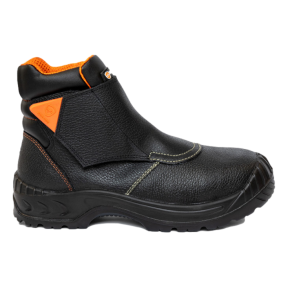
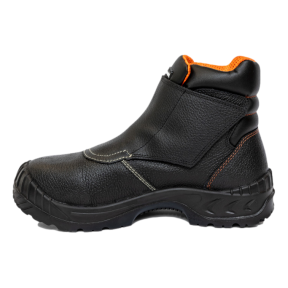
The ironworker typically works with steel, the alloy of iron and carbon, either hot or cold. In its artisanal form he uses, just like the blacksmith, hammer and anvil to develop ornamental objects and other various tools. At the rural level, the traditional ironworker or the farrier are those who perpetuate most closely the traditions of forge methods. He is best equipped with protective gloves, suitable safety shoes, as well as appropriate outfits and clothing.
The blacksmith contributes both to the restoration of forged elements of historic monuments and to the development of new pieces in the construction field. Industrial ironwork owes its advances to the evolution of foundry.
This field consists of making metals flow or molten alloys into a mold so that it takes the shape of the desired object while avoiding the need to rework the material later. The various techniques depend on the type of alloy used or the type of desired final parts. Due to this versatility, foundry covers broad sectors of industry for series production from automotive to aeronautics, including industrial equipment or handling equipment.
Foundry can concern ferrous metals (cast iron, steel), non-ferrous (copper, zinc) or light alloys (aluminum). Besides the industrial sector, we can also discern art foundry or bell foundry. The first for various bronze sculptures or art casting and the second where bell founders and master bell makers practice (for bells in religious buildings).
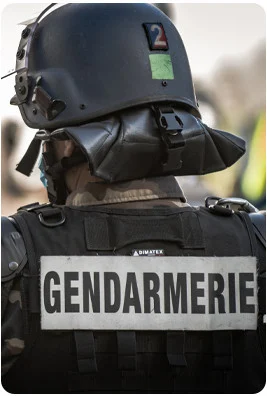
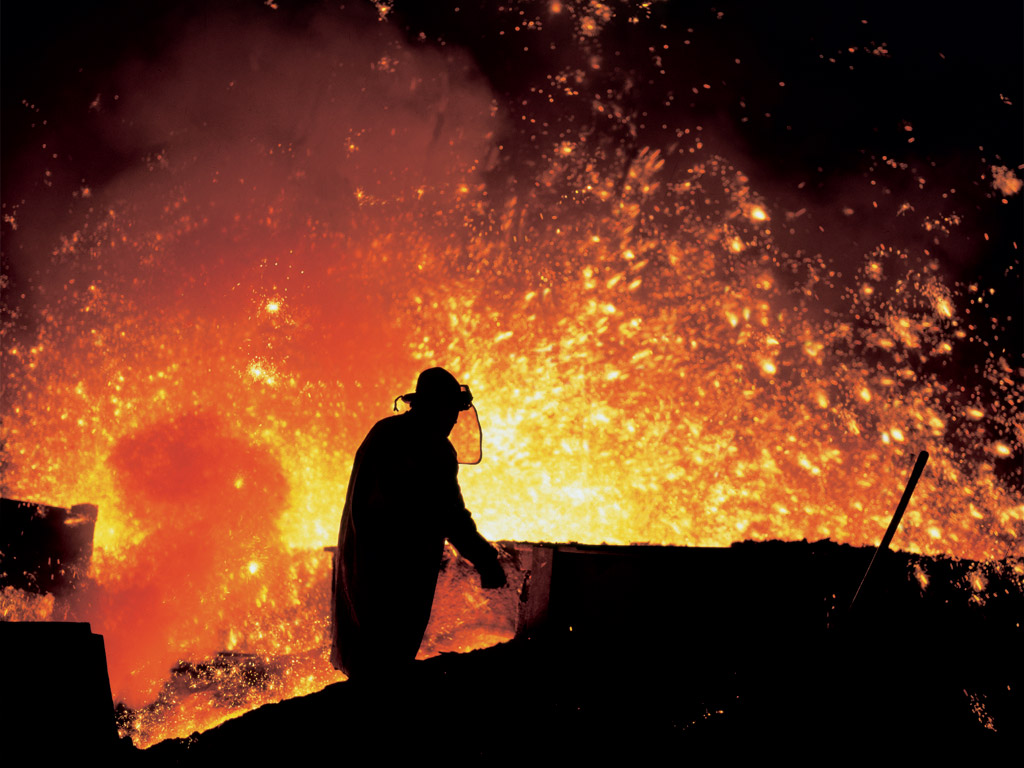
The foundry trades derive from the different techniques implemented for the development of parts. The molder, the core maker (for hollow parts of pieces), the pattern maker and the mold maker are those in charge of manufacturing the mold capable of giving its shape to the cast iron pouring. The founder prepares the metal fusion in a furnace for pouring. The shakeout operator breaks the molds to extract the molded and cooled parts. The fettler, the shot blaster and the sandblaster in the finishing workshop are those who provide the final finishes to clean the parts before they undergo various quality controls. For foundry work and direct handling of molten metal with projection risks, it is appropriate to equip oneself with protective visors, adequate gloves and HRO safety shoes protecting from contact heat.
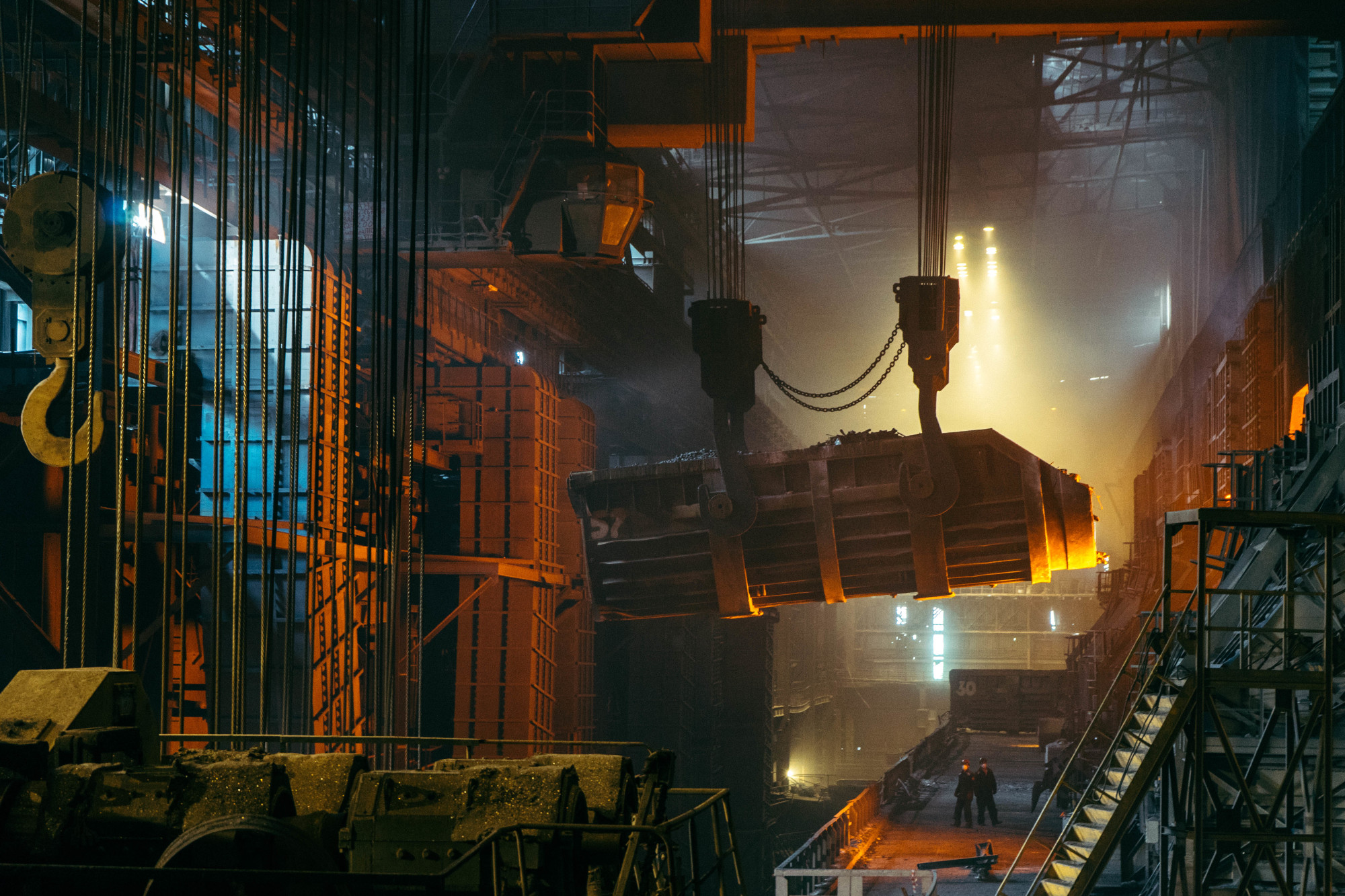
The term comes from ancient Greek and means "blacksmith's workshop". This sector distinguishes within metallurgy the working of iron and its alloys. The imposing factories from the industrial revolution produced until the middle of the 20th century almost all of the world production of steel. The main component of these factories is the use of colossal blast furnaces. These generate cast iron from the fusion of iron charged with carbon, through the use of coke for combustion.
Another manufacturing method became popular in the second half of the 20th century with electric arc furnaces. These use the thermal energy of the electric arc established between carbon electrodes and the metal, which can then reach its melting temperature. Since the 1980s, these two design schools share world steel production, one third for electric steelworks and two thirds for fire cathedrals. Faced with the heat and projection risks generated by such equipment, operators must wear appropriate footwear and protect themselves accordingly.
Steel industry products are distinguished by flat or long types. Flat products concern thick sheets (used for shipbuilding, construction, civil engineering works or boilermaking) and thin sheets (for automotive needs, household appliances or packaging). Long products bring together bars or profiles with determined shapes (railway, beams).
This branch covers the working of metals in the form of sheets, tubes or profiles. This undertakes the realization of equipment intended for industries of all types as well as aeronautics, automotive or construction. Originally a manual work obtained by beating or hammering, the rise of machines has enabled series production of elements necessary for the sectors concerned.
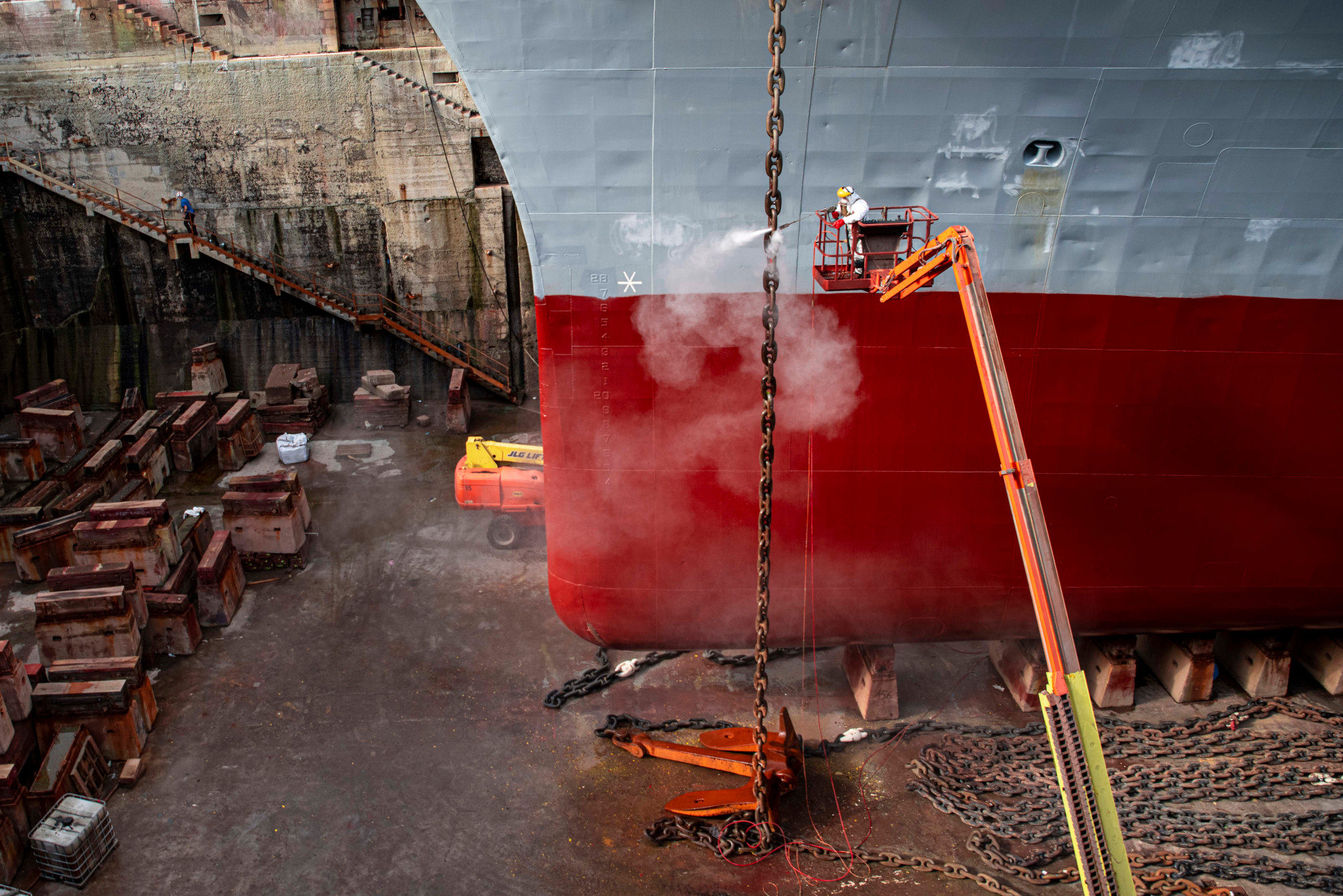
We can distinguish different specializations categorized according to the thickness of materials to be transformed. Tinsmithing and light boilermaking work with tin plate, copper, brass and all metals under 1 mm. Sheet metal work processes metals from 1 to 3 mm for bodywork in automotive, aviation or chimney work. Medium boilermaking concerns tanks, cisterns and all equipment with thicknesses from 10 to 50 mm. From 50 mm up to 500 mm, heavy boilermaking (or large boilermaking) involves equipment that must resist pressure or heat such as offshore structures, bridges or nuclear reactors.
Dinanderie, the artisanal branch of boilermaking, persists its work through time. The dinandiers from the copper era to today, passing through the Art Nouveau period, will have left their marks on countless utilitarian and decorative objects.
Metal workers in the construction sector work from metals supplied by metallurgy for metal structures in buildings. We can distinguish several distinct trades. The metal worker-locksmith who designs and manufactures locks, closing mechanisms, stairs, ramps and other building elements. The metal constructor who is responsible for large metal structures from framework to the structure of buildings. The Eiffel Tower is the flagship symbol of the achievements of this trade. Metal joinery concerns parts (in steel, stainless steel or aluminum) that enter into the development of facades, windows, glass roofs, doors, verandas or partitions. The joiner in this sector can be called the "building couturier". We also find in metalwork, the ironwork already detailed above.
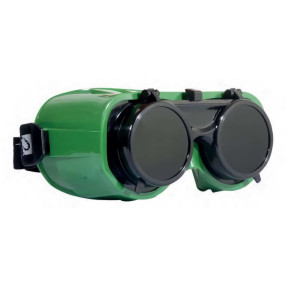
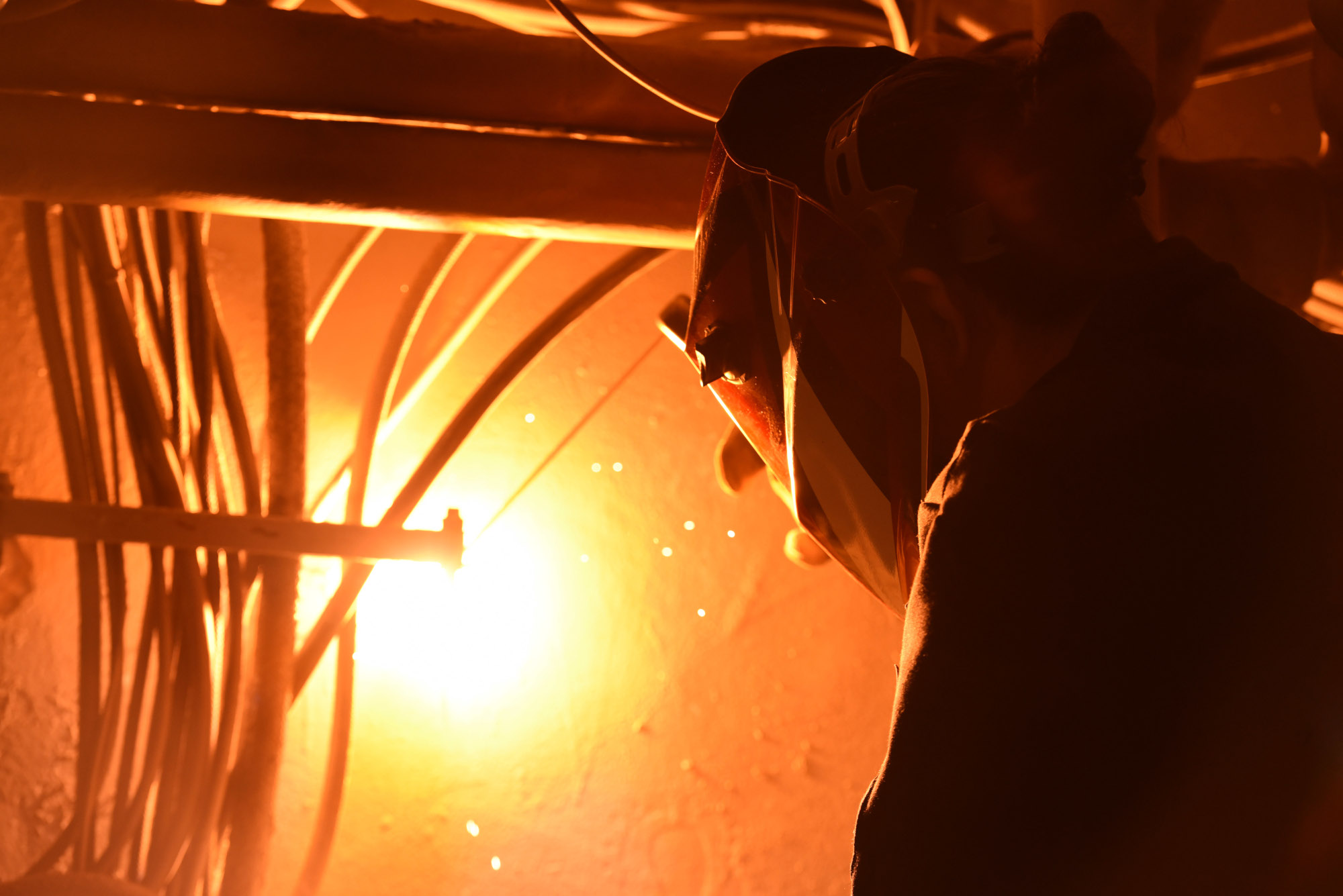
We can also include welding work which intervenes as much in construction as in renovation. The welder executes metal assembly processes. Its origin is as old as the metal age. Welding was done at the forge by hammering hot pieces to amalgamate. The advent of the electric arc pushed the evolution of welding which has continued to experience advances such as plasma or laser processes. The welder in proximity to heat and sparks during his work must wear protective clothing, glasses specially designed for this activity as well as shoes preventing projection risks.

The science of metals covered by metallurgy harnesses a wide panel of skills and trades that respond to equally vast demands from different industrial sectors of the modern world. From ancestral hammer blows to the flaming hearts of blast furnaces, the taming and working of iron continue to be major pillars and essential to our civilization.