 The best equipment for pros and enthusiasts alike
-
 Professions
-
-
-
-
-
-
-
-
All Tops
![All Tops]()
-
-
-
All Bottoms
![All Bottoms]()
-
-
-
All Footwear
![All Footwear]()
-
-
-
All Bags
![All Bags]()
-
-
-
All Accessories
![All Accessories]()
-
-





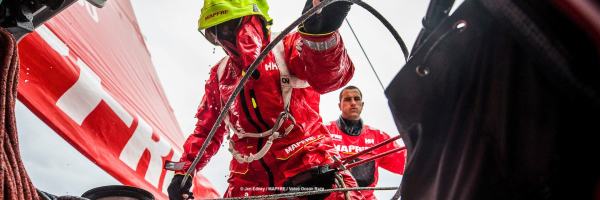
Originally from Norway, Helly Hansen has been manufacturing clothing for more than 140 years. The name is synonymous with garments that brave the most extreme weather conditions, from the sea to the mountains. The brand is recognized by ocean specialists, mountain ranges and outdoor work areas. It is a leader in professional ski clothing and has an unshakeable reputation among sailors of all kinds.
Such longevity is explained by a company that has always stood out thanks to its innovations in the world of workwear textiles. The history of Helly Hansen is that of its numerous discoveries to protect professionals on all fronts, whether from cold, water or other severe weather assaults. Let's look today at some of the brand's technologies that have stood the test of time.
Table of Contents:
- Maritime beginnings
- Helox, the renewal of waterproof fabric
- Fiberpile, the first polar fleece fiber
- Lifa, the protective layer close to the body
- Other Helly Hansen technologies to this day
Maritime beginnings
Helly Juell Hansen had already been sailing at sea since the age of 14. It was in 1877 when he was 35 years old, that he questioned how to help his fellow sailors face wind and tide. With his wife Maren Margarethe, they began to craft new outfits in the port village of Moss located in the Oslo fjord. Jackets, sweaters, pants and tarpaulins made of thick linen. This is how Helly Hansen was born, with a finish soaked in linseed oil for highly effective waterproof protection.
Strong with this initiative and just one year after its creation, the brand was rewarded with a diploma of excellence at the Paris Exhibition of 1878. This milestone opened the company's doors to export and to a relentless pursuit of innovations that would satisfy the demands of sailors, but also mountaineers with ever more extreme needs.
This momentum continued even after the death of its creator in 1914 with Leiv, Helly's son, who was committed to perpetuating the family legacy. The new leader would work to make this know-how shine worldwide and extend its reputation through its innovative technologies.
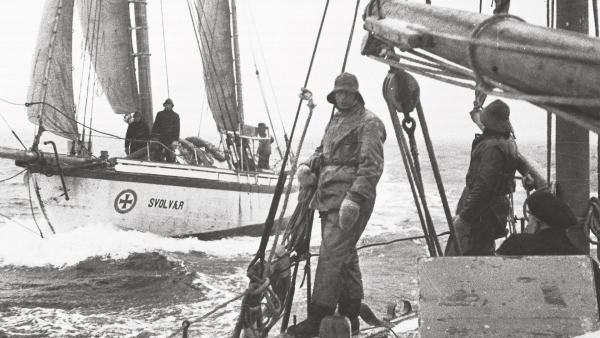
Helox, the renewal of waterproof fabric
In 1949, the brand created Helox. This technology covers fabrics with a thin translucent plastic PVC film to make them completely waterproof. A revolution that avoided the inconveniences of the traditional linseed oil layer, which was sticky and less pleasant to wear. This breakthrough caused demand to explode with nearly 30,000 jackets manufactured per month. Athletes from the Norwegian delegation also found keen interest in equipping athletes with this type of clothing during the Oslo Winter Olympics in 1952.
Fiberpile, the first polar fleece fiber
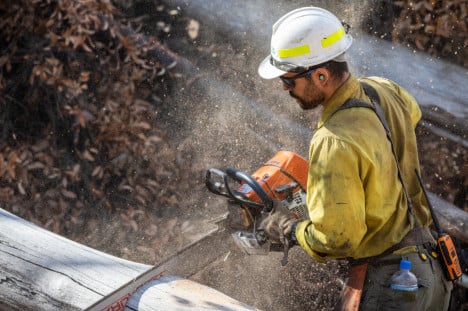
Born from a collaboration with Norwegian Fiber Pile Inc., Fiberpile is the original polar fleece fiber. It came to life in 1961 and remains, more than 50 years later, a perfected technology, adopted and imitated by many. This polar fleece layer has the advantages of a warm, lightweight garment with quick drying. The durable and resistant fabric allows for effective body temperature regulation while protecting against cold, snow or rain. These characteristics have made it a choice asset for oil platform workers, lumberjacks and other workers in contact with nature in cold environments. Fleeces remain essentials even today.

LIFA, the protective layer close to the body
Under the polar fleece, all Helly Hansen needed was to complete the three-layer protection method with the creation of LIFA technical underwear. In 1970, the brand then crafted the first base layers that allowed moisture to be wicked away from the body. The wearer thus stays warm and dry. These garments quickly found buyers among outdoor activity enthusiasts and outdoor workers. In 2012, Outside Magazine gave LIFA a place in the list of the most influential equipment in history. Today, these underwear remain indispensable for the sea or high mountains.
Other Helly Hansen technologies to this day
With the three main types of clothing mentioned above, the brand allows to cover its wearer with three protective layers against the cold. These are still viable today. The brand will however continue to improve in research with some other technologies that we will discuss.
In 1972, the company designed the first life jackets made of waterproof cellular PVC foam. A material still favored by many manufacturers. 1984 saw the creation of Helly Tech, a waterproof and breathable fabric with numerous awards. These fabrics perfectly meet the requirements of professional skiers worldwide.
1990 is the year when Prowool was designed (now known as HH Lifa Merino). This Lifa layer is combined with merino wool for more warmth and better moisture wicking. It is a choice ally to fight against the coldest and most extreme temperatures.
H2FLOW was introduced in 2012. This technology, which won the Design Excellence award given by the Norwegian Design Council, is a patented system featuring an air circulation system and a protective barrier. In 2018, Lifa Max perfects the Lifa fibers by thickening them to offer warm, lightweight and flexible underwear. Lifaloft in 2019 provides more warmth with lighter insulation and better moisture management.
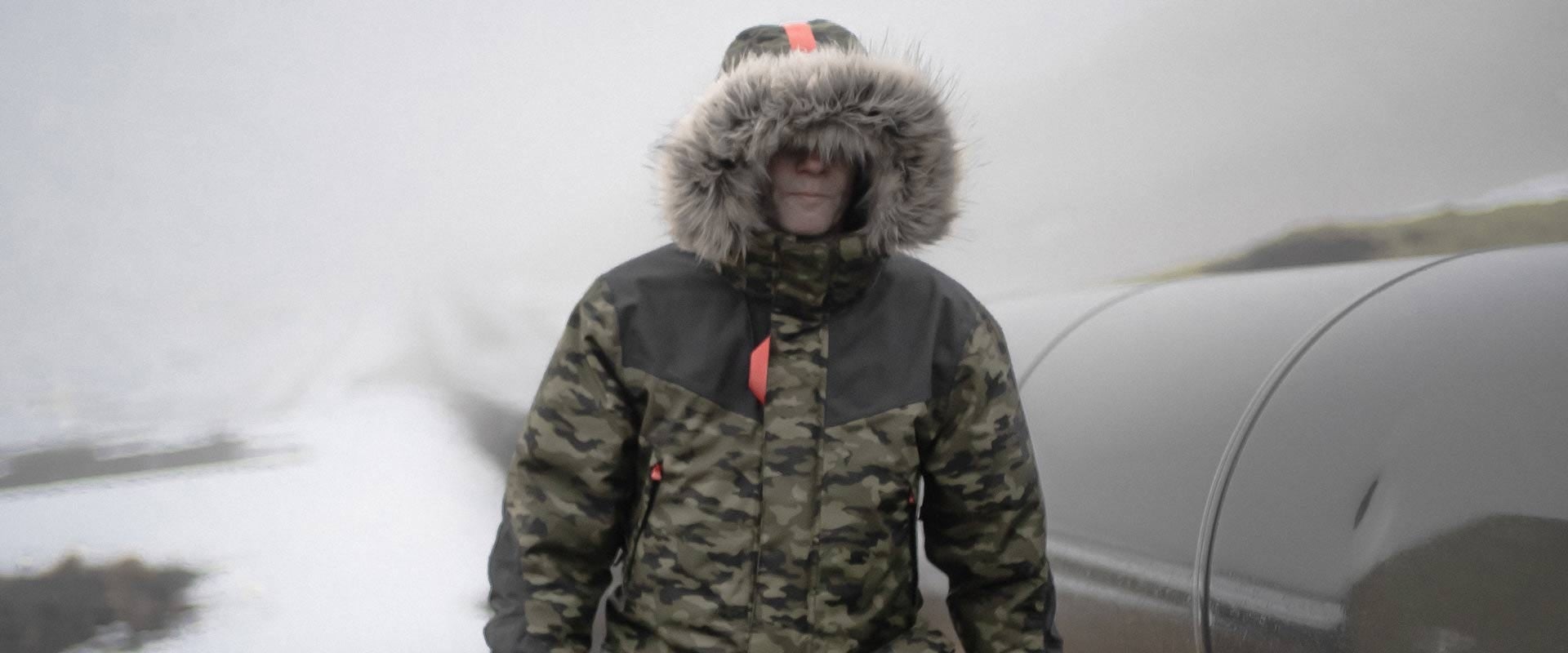
As we have seen, Helly Hansen's heritage is that of a brand that has left its mark through its numerous innovations and its revolutionary clothing. From head to toe, the brand has managed to remain through the ages an essential in the mountains, on the seas and outdoors. To brave cold and bad weather, Helly Hansen is an undisputable leader in the field.
Photo credits: www.hellyhansen.com


-
![Over 200 brands At the best price]() Over 200 brands At the best price
Over 200 brands At the best price -
![Secure payment In 3 or 4 interest-free installments]() Secure payment In 3 or 4 interest-free installments
Secure payment In 3 or 4 interest-free installments -
![Delivery across Europe As soon as possible]() Delivery across Europe As soon as possible
Delivery across Europe As soon as possible -
![Customer service Monday to Friday]() Customer service Monday to Friday
Customer service Monday to Friday


