The best equipment for pros and enthusiasts alike






 Professions
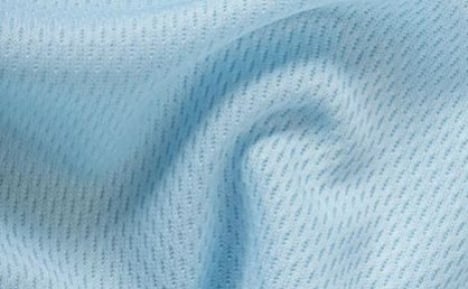
Ripstop material is a weaving technology designed to ensure exceptional tear resistance. This fabric, available in 100% cotton or synthetic versions, is widely used in the design of clothing and accessories requiring durability and reliability. Let's discover the technical characteristics and application areas of this innovative material.
Summary:
- Technical aspects of ripstop fabric
- Resistance tests: undeniable reliability
- Areas of use for ripstop fabric
The history of ripstop dates back to World War II, a pivotal period when nylon emerged as a revolutionary material. Initially developed to meet military needs, nylon was created to replace silk in parachute manufacturing. This innovation was crucial, as it aimed to improve the resistance and durability of parachutes, essential elements for aerial military operations.
The use of nylon in parachutes was a resounding success, contributing significantly to Allied forces operations. However, an interesting observation emerged: while nylon had considerably strengthened parachute resistance, it also revealed properties that exceeded the simple need to replace silk. The tear resistance and exceptional durability characteristics of nylon prompted researchers and manufacturers to further explore its potential in other textile applications.
This is how the ripstop technique was born. By interweaving reinforcement threads at regular intervals in the fabric, innovators created a material that not only offered exceptional tear resistance, but could also be applied to a variety of other products, thus becoming the versatile ripstop fabric we know today. From its initial use in military parachutes, ripstop has extended to a multitude of applications, from work clothing to outdoor equipment, demonstrating the insight and adaptability of this textile innovation born from military necessity.
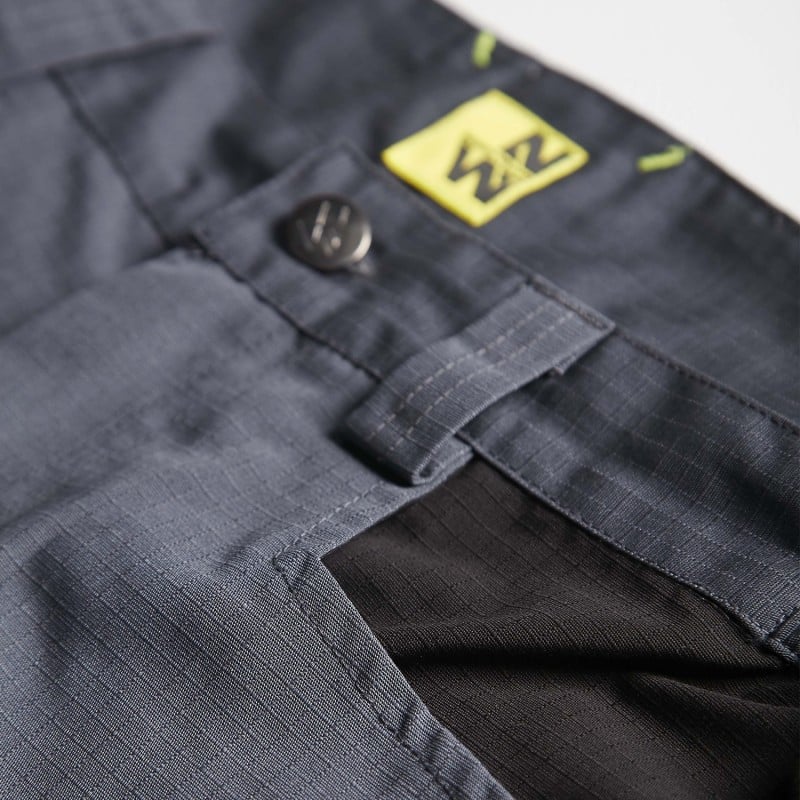
The creation of ripstop fabrics is an ingenious process that gives these textiles exceptional resistance to tearing and ripping, particularly when woven in nylon. This reinforcement technique aims to strengthen the fabric structure by integrating more robust reinforcement threads, often of thicker gauge, at regular intervals according to a crosshatch pattern. These intervals, generally between 5 and 8 millimeters, create a strategic support network within the fabric.
During the weaving process, the stronger reinforcement threads are interwoven to form a two-dimensional structure, generally with a finer fabric to maintain the lightness of the material. While early versions of ripstop fabrics clearly highlighted the patterns of thicker interwoven threads, modern weaving techniques have evolved to make these threads less apparent, thus offering a more subtle aesthetic.
Ripstop fabrics, whether composed of cotton, silk, polyester, polypropylene or nylon, demonstrate a significant advantage in terms of favorable strength/weight ratio. Additionally, one of the distinctive characteristics of ripstop lies in its ability to prevent easy propagation of small tears. By limiting damage extension, these textiles offer increased durability. Nylon, often used in crosshatch threads, gives ripstop specific tear resistance, thus reinforcing its overall performance.
The raw materials used include cotton, silk, polyester, polypropylene and nylon, guaranteeing its resistance to water and fire.
Ripstop fabric features waterproofing, mainly applied to bags and jackets, thanks to polyurethane and PVC coatings. It offers protection against stains resulting from daily use.
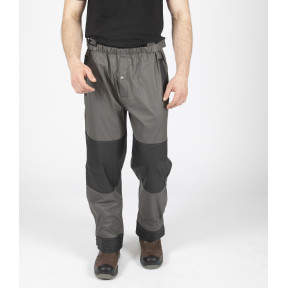
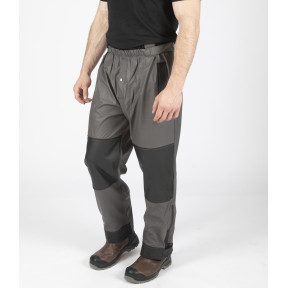
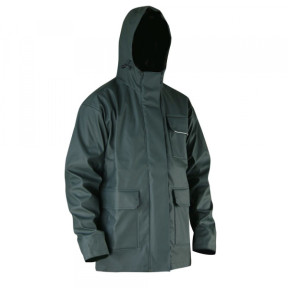
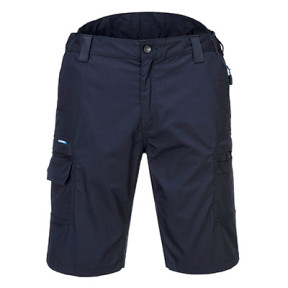
Come discover our work clothing and equipment on our online store.
In conclusion, ripstop material positions itself as an essential choice for durable products, combining resistance, lightness and versatility in a variety of applications. Whether in the military field, outdoor activities or the making of professional clothing, ripstop continues to impress with its exceptional performance.
When it comes to choosing equipment or work clothing, technology and material play a crucial role. Vetsecurite.com is here to support you in choosing your products and to inform you as best as possible about all of these technological advances.