The best equipment for pros and enthusiasts alike


 Professions
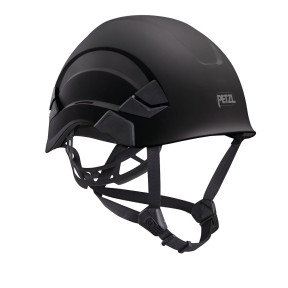
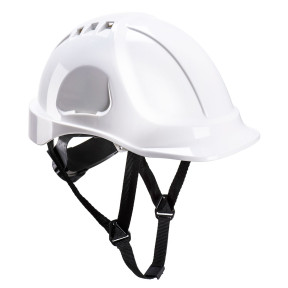
MIPS technology has taken the helmet world by storm, whether in the sports field or in Workwear. Recognizable by its small yellow circle on the side of the helmet, but what does this mean exactly?
MIPS stands for Multi-directional Impact Protection System. Its main objective is to reduce rotational forces caused by certain blows to the head. While many traditional helmets are developed and tested to resist the force of linear impact, head accidents do not systematically occur linearly, but at an angle. As a result, so-called rotational movements can act on the head and brain, which can be very dangerous and lead to serious brain injuries.
MIPS technology was developed by neurosurgeons and other scientists, and has proven effective in reducing brain impacts caused by oblique shocks.
Table of Contents
- How does MIPS technology work?
- The small yellow logo on all protective helmets
- What does MIPS technology really bring?
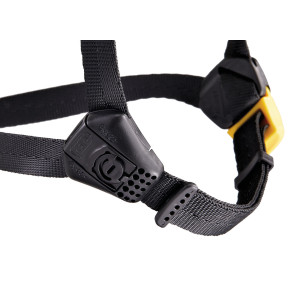
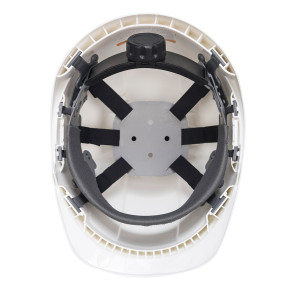
Inside a helmet equipped with MIPS technology, a liner, most often yellow, is located in the hollow of the helmet, just under the padding. It is designed to move independently (mimicking the movement of cerebrospinal fluid between the brain and skull). In case of oblique impact, the helmet and MIPS liner are made to move separately, significantly reducing the force of impact on the brain.
MIPS (Multi-directional Impact Protection System) stands for Multi-directional Impact Protection System. After nearly 20 years of studies and analyses, this revolutionary technology came to light thanks to the prowess of Swedish neurosurgery researchers.
During an impact with a "classic" helmet not equipped with MIPS technology, protection focuses on the outside of the skull, leaving the brain susceptible to brain injuries and other damage.
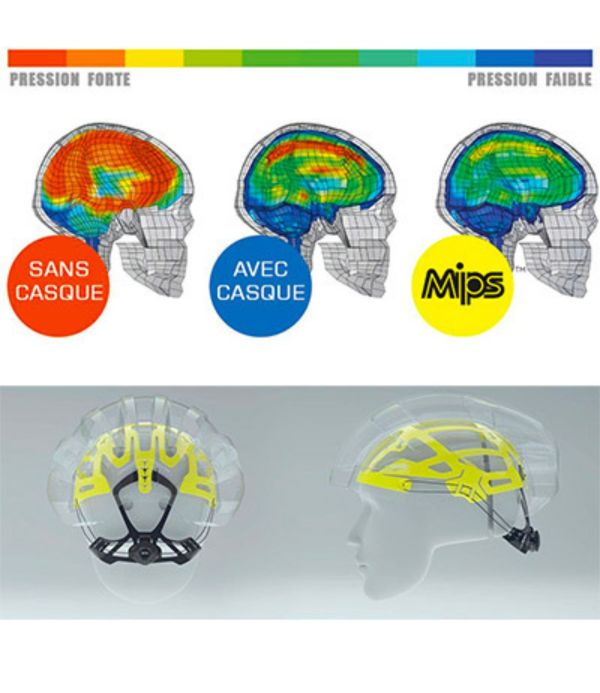
MIPS technology is gradually being integrated into helmet ranges thanks to influential brands such as Giro and Bell (cycling-related brands) notably present on the Tour de France, but also Delta Plus and Uvex for brands related to the working world.
However, current approval procedures, based on vertical drop tests, do not fully represent the real impacts that workers and cyclists are exposed to on a daily basis.
- An ability to absorb impact energy in order to better distribute it to limit injury
- Increased freedom of movement allowing dissipation of rotational forces
- An imitation of cerebrospinal fluid (helmet movement only) to prevent brain injuries
- Contained weight
- An even higher level of safety
- A precise tightening system
- Optimal comfort
MIPS, the multi-directional impact protection system, has recently extended its collaboration with companies specializing in Personal Protective Equipment (PPE) by signing a new partnership with Uvex. These collaborations aim to strengthen the common safety mission by integrating MIPS technology on certain brand models.
As part of the partnership with the Uvex brand, safety helmets, already renowned in the Workwear field, will be equipped with this technological system.
An example is the Uvex pheos S-KR work safety helmet, certified according to the EN397 standard and available in high-visibility orange. The MIPS version of this helmet features an enlarged contact area in addition to the standard product characteristics.
Additionally, MIPS technology has been integrated into a new industrial climbing helmet, the Uvex Pronamic Alpine MIPS, certified compliant with EN397 and EN12492 standards. This helmet, specially designed for accident prevention in various sectors such as industry, construction and work at height. It offers an adjustable head ring, generous ventilation openings as well as other accessories.
This collaboration between MIPS and Uvex is not the only one, as the technology has also partnered with other brands like Delta Plus and MSA Safety which underlines the common commitment to improve workplace safety by integrating innovative technologies into personal protective equipment.
MIPS places its yellow logo on helmets composed of two distinct parts, offering freedom of movement of 10 to 15 mm. This freedom of movement, combined with energy absorption capacity, significantly reduces the risk of brain injury in case of oblique impact.
Adding MIPS technology can increase the weight and price of the helmet, but it sets the bar high in terms of safety. Major brands are adopting it to equip professionals, reinforcing the credibility of this technology. While this may represent a higher financial investment, the peace of mind that a MIPS helmet offers is worth it.
We hope this article clarifies your understanding of MIPS technology, allowing you to make an informed choice for your next helmet.
In the varied world of PPE, technological evolution remains omnipresent. Vetsecurite.com is here to support you and provide you with all the information you need to choose the product that suits you and will protect you effectively. We invite you to consult our blog article related to all technological advances, but also certain more specific themes.