The best equipment for pros and enthusiasts alike





 Professions
In 2021, young firefighters included 29,200 girls and boys aged 11 to 18 years. JSP enables motivated young people to learn first aid gestures, develop their physical abilities, civic sense, team spirit and flourish.
Table of Contents:
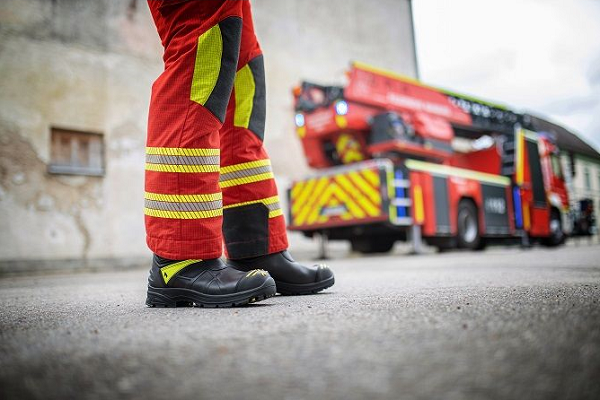
The objective of young firefighters is to bring together girls and boys, of French and foreign nationality, around the same spirit of solidarity. Through their participation in numerous activities, young people learn techniques specific to firefighters, which can subsequently create vocations in some.
Departmental unions and associations train young firefighters. You must be aged 11 to 18 and show motivation and commitment to join the young firefighters.
The only "recruitment" conditions are to:
Have the required medical fitness for practicing sports and planned physical activities.
Provide a tetanus vaccination certificate.
Provide parental authorization or from the parental authority representative.
Registration takes place at each school year start. If you wish to join JSP, you can contact the departmental firefighters union closest to your home. For Paris, contact the Paris Fire Brigade (BSPP) and, for Marseille, the Marseille Naval Fire Battalion (BMPM).
The young firefighter training is organized in four training cycles corresponding to four school years: JSP1, JSP2, JSP3 and JSP4 for approximately 232 hours (4 hours per week, excluding school holidays). The training, modeled on that of volunteer firefighter team member, includes several modules for each cycle:
First aid,
Fire fighting,
Protection of property and environment,
Civic engagement and civil security actors,
Physical and sports activities,
This JSP training allows young people to acquire essential know-how and behavioral skills to work in the future as a volunteer or professional firefighter.

Young firefighters can take the tests from age 16 and until December 31st of the year they turn eighteen.
The national young firefighter certificate consists of:
Two written tests in the form of questionnaires concerning fires and various interventions.
Four practical tests: implementation of self-contained breathing apparatus, paired deployment and use of hoses, rescue and fall protection maneuvers, implementation of various operation equipment.
Sports tests: cardio-respiratory endurance, upper limb strength assessment, swimming and firefighter-specific sports course.
Passing the national JSP certificate allows exemption from certain modules when making a future commitment as a volunteer firefighter.