The best equipment for pros and enthusiasts alike







 Professions
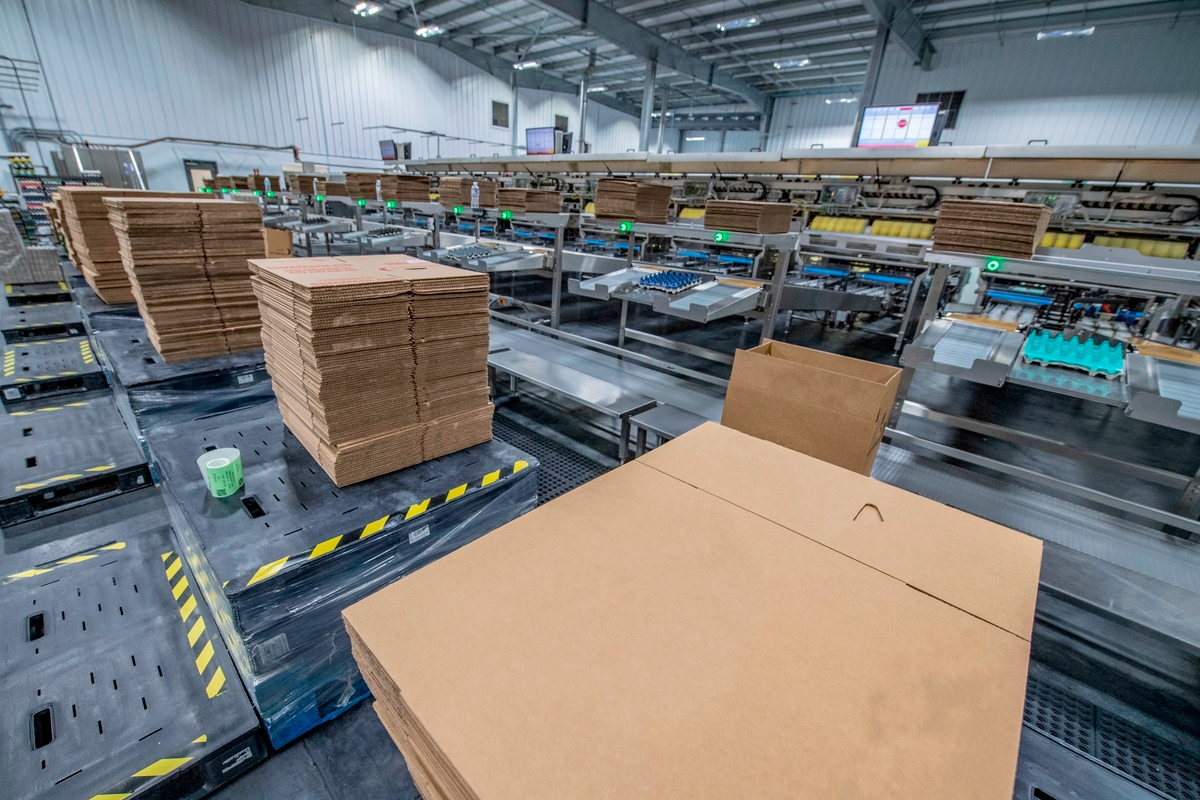
In the vast sector of industry, quality control is an essential operation of production. Its purpose is to determine if a product is compliant according to specifications and pre-established requirements. Whether in metallurgy, ironwork, maintenance, industrial construction, food processing or even pharmaceutical laboratories, no domains of industry can do without product control to ensure having efficient production.
Summary:
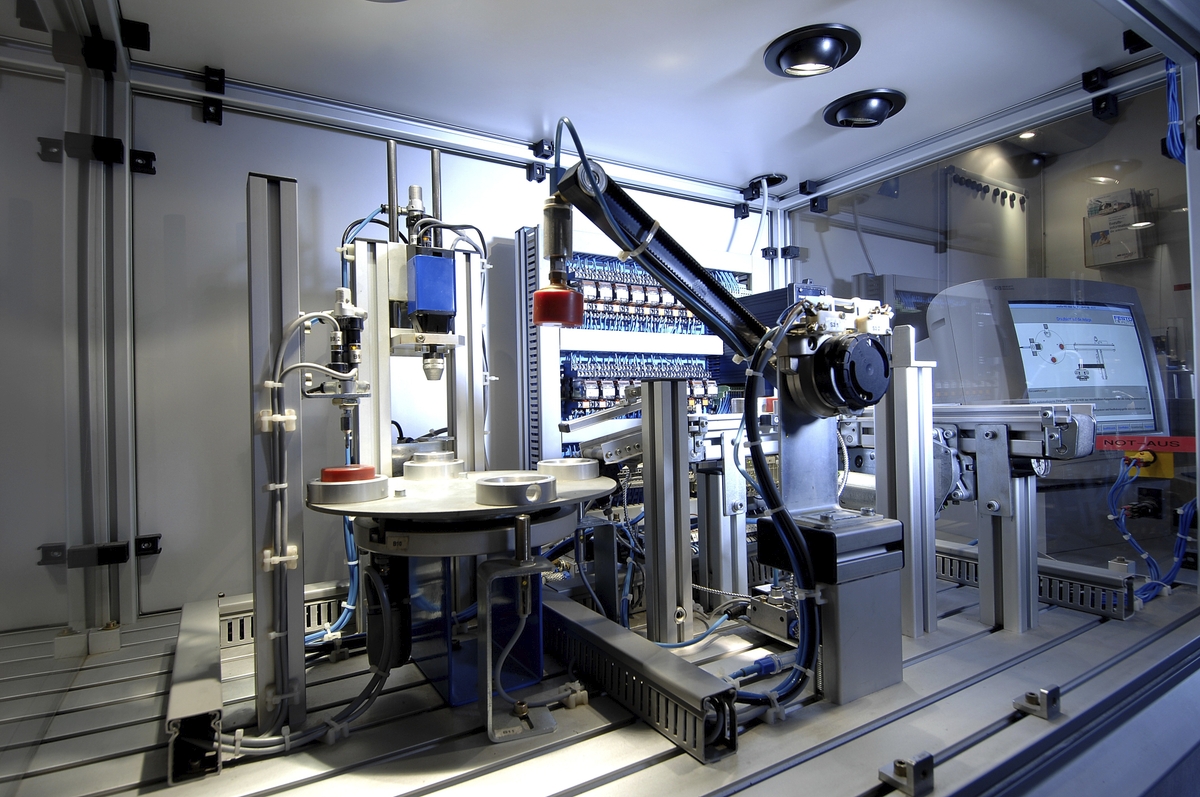
It involves a technical intervention to determine if a product is compliant. Control on a product establishes beforehand the characteristics and limits not to be exceeded for a product to be certified compliant.
The outcome of the control act results in various decisions regarding compliance which are distributed as follows:
compliant product
non-compliant product to be rejected
non-compliant product to be reworked
non-compliant product that may be accepted by waiver
For a control, several parameters are recognized:
the frequency
the characteristics of the product to be controlled
the type
the method
the means
the entity
Characteristics directly influence the safety and functionality of the product. The control method is done either by measurement, by comparison, or by assessment (visual control). The entity that performs the control defines the manufacturing personnel in self-control, specialized personnel, supervisory personnel, or even a machine for automated controls.
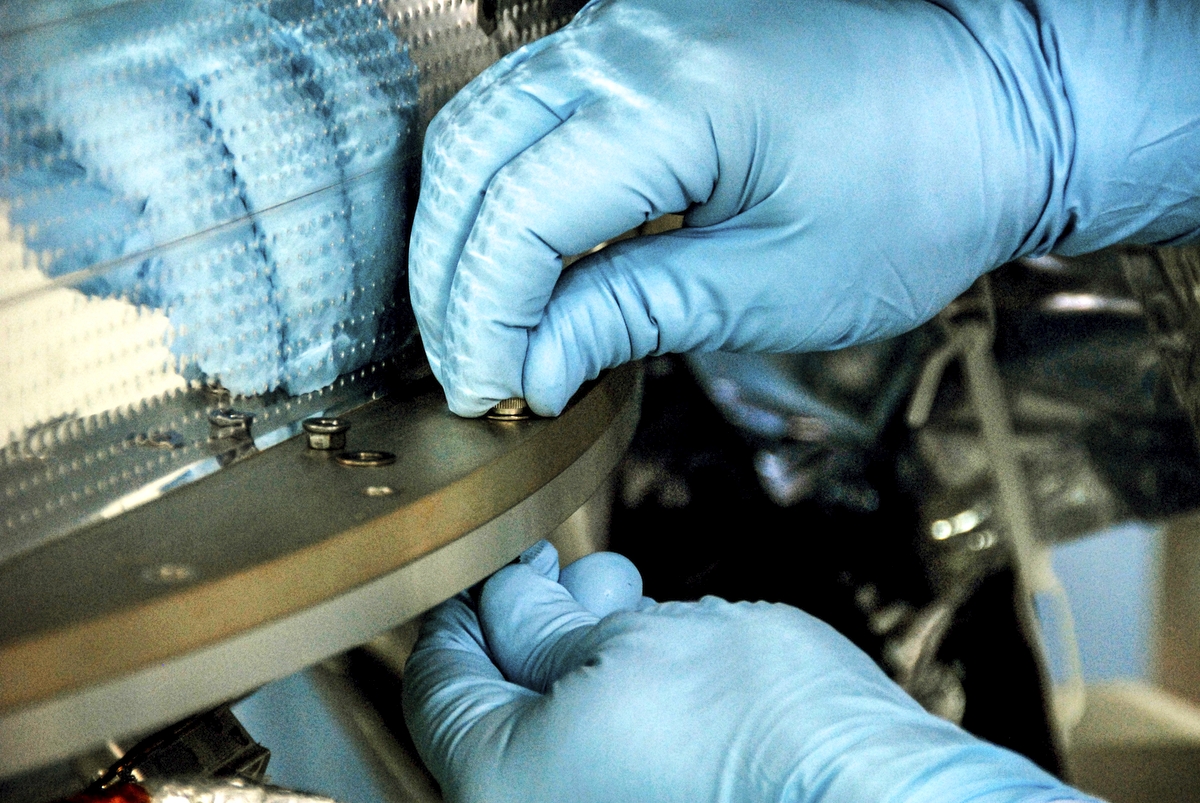
A control can be performed systematically on the entirety of produced parts. This has the effect of sorting and directly eliminating non-compliant elements. This method is more time-consuming and costly.
We can then prioritize sampling control which aims to detect drift in manufacturing. The frequency and sample size must therefore be chosen. We thus proceed with a control of X parts every Y intervals of time on a manufacturing batch.
In both cases, controls respond to certain types.
Non-destructive testing: These controls are performed without resulting in the destruction of the part. Depending on the cases, these involve dimensional measurements, electrical, color, or other measurable characteristics. There are also certain non-destructive control methods by ultrasound, by dye penetrant, or others that allow controlling the characteristics of material health.
Destructive testing: This control does not allow checking a characteristic without destroying the controlled part. It is therefore not feasible to control all parts.
Indirect remote control: It should be undertaken for parts with complex geometry or for controls to be performed on areas inaccessible to measuring instruments. This control helps avoid destructive testing and is no longer performed directly on the part. It is performed on an impression, such as a negative mold in Plastiform polymer.
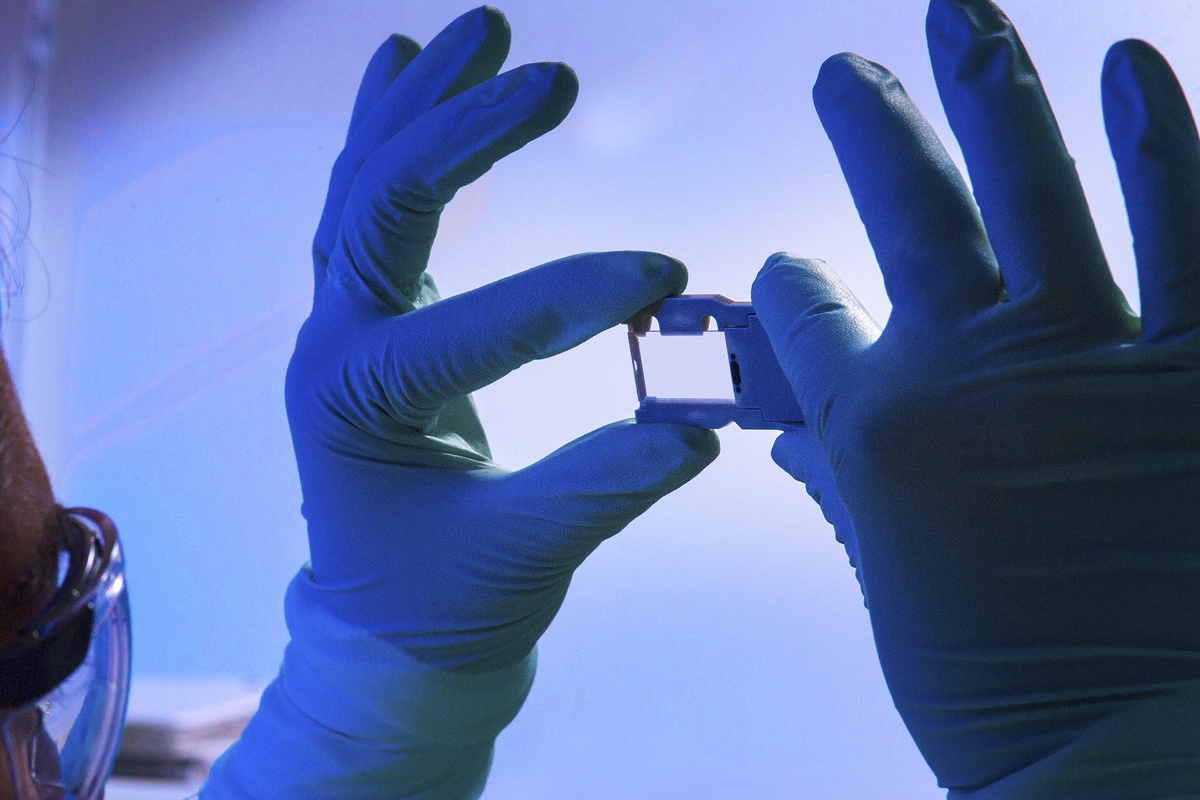
The choice of measuring device for a control is a technical and economic decision. Measuring tools have capability and measurement uncertainties. The conditions of use must also be taken into account (temperature-controlled laboratory, workshop, construction site exposed to weather, etc). For workshops, robust instruments with single function and satisfactory precision should be preferred. On a construction site with difficult conditions, a versatile and robust tool is recommended.
The measuring device must be maintained in good working order and repaired or replaced if necessary. The calibration and verification of the device is also essential for accurate measurements.
A control can be performed at various times in the product manufacturing cycle. Incoming inspection acts on the raw materials used in manufacturing. In-process control responds to several objectives: eliminate non-compliant elements and detect manufacturing drifts. The elimination of non-conformities during manufacturing allows discarding non-compliant products as early as possible to avoid continuing the manufacturing process unnecessarily on parts to be rejected. These controls during manufacturing also serve to measure certain inaccessible characteristics on the finished product and to detect drifts to implement corrective actions. Final inspection is performed when the product is completely finished.
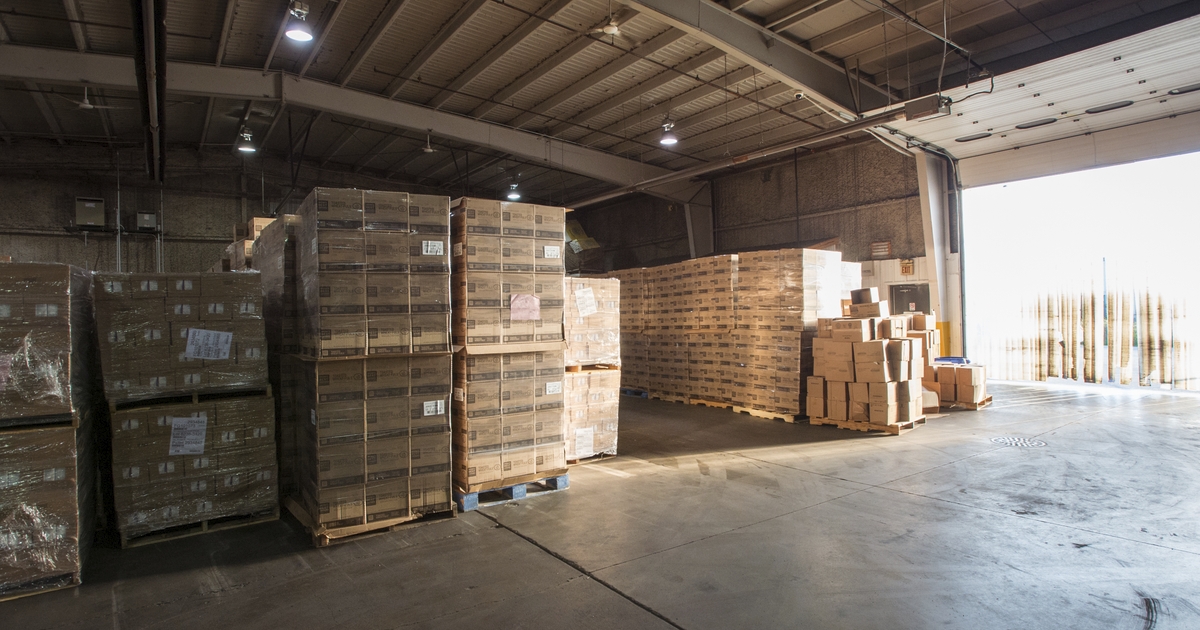
Quality control is a crucial step in the machining process and production in industry. Controls respond to precise requirements to ensure obtaining products of the best possible quality.