The best equipment for pros and enthusiasts alike





 Professions
The world of military surplus has fascinated for decades, blending historical heritage and technological innovations. Among the iconic pieces, the fatigues occupy a special place. But do you really know how to distinguish classic military fatigues from modern technical fatigues? This difference, far from being anecdotal, reflects the considerable evolution of field equipment and their adaptation to contemporary challenges.
The military fatigues traditional refers to the field uniform composed of a jacket and pants, designed to meet the operational needs of armed forces. Its design is based on three essential pillars: resistance, discretion and practicality.
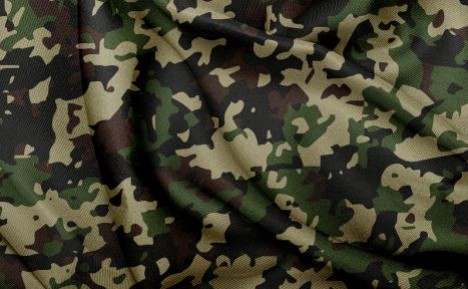
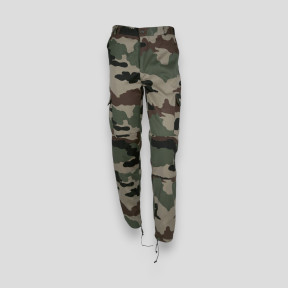
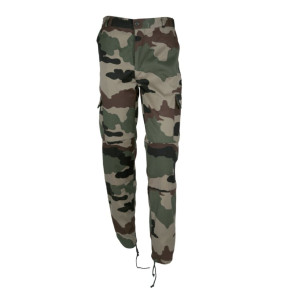
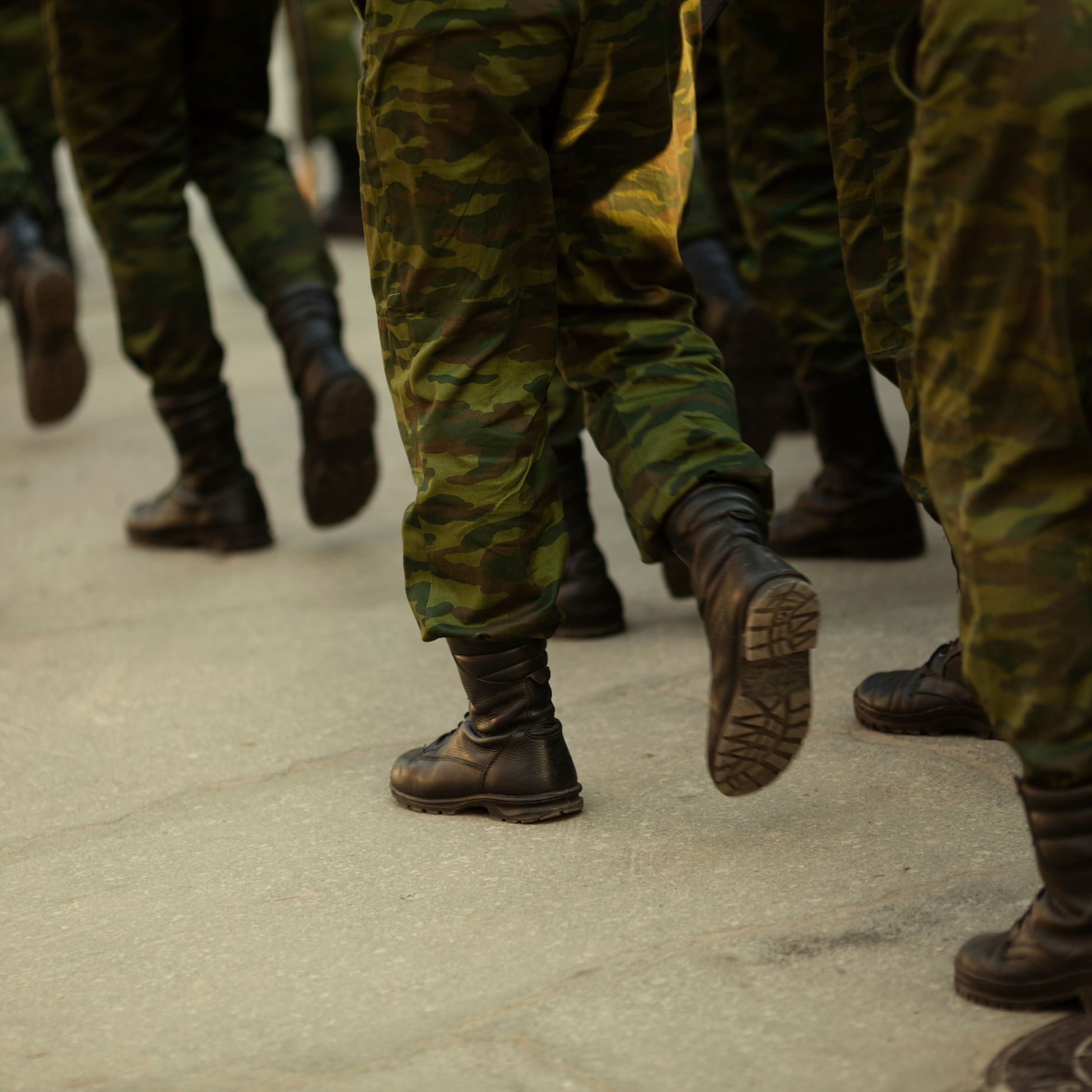
Generally made of cotton, canvas or ripstop fabric, the classic military fatigues prioritizes robustness against extreme conditions. Its camouflage, specially designed for a given environment (forest, desert, urban), aims to effectively conceal the wearer on the field of operation.
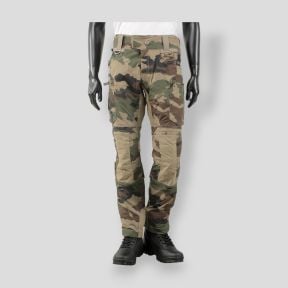
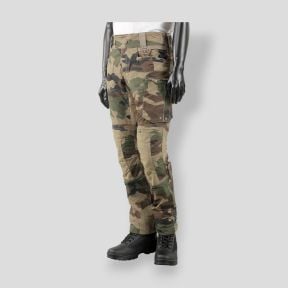
Each military fatigues bears the imprint of its era and its theater of operations. The famous French Centre-Europe (CCE) pattern, the American Woodland or the desert camouflages testify to this specialized adaptation to the environment.
The functional cut integrates multiple strategically placed pockets, allowing the transport of essential equipment. The ergonomics remain designed for mobility in operational situations, while maintaining a pragmatic approach without excessive sophistication.
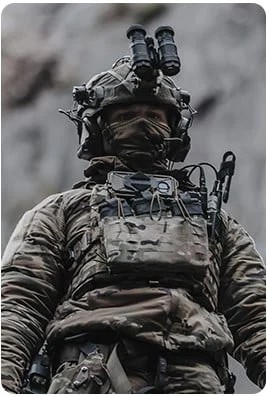
The term technical fatigues refers to a new generation of military uniforms integrating advanced materials, optimized cuts and cutting-edge technologies to significantly improve performance in the field. This evolution marks a turning point in the design of military equipment, prioritizing overall tactical efficiency.
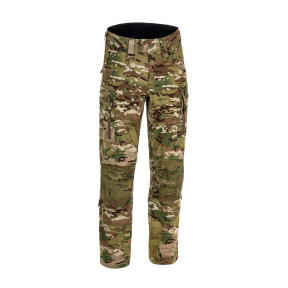
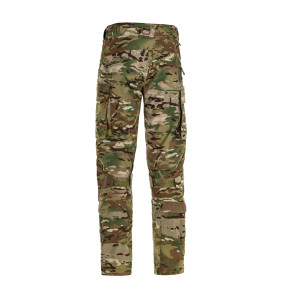
The F3 fatigues perfectly illustrate this technological revolution. Designed with a reinforced ripstop fabric and aramid-viscose fibers, it offers exceptional thermal stability. This composition ensures remarkable fire resistance and prevents tear propagation, crucial characteristics in combat situations.
Its fitted cut significantly improves mobility while perfectly adapting to wearing the FELIN body armor vest. This redesigned ergonomics transforms the combatant's experience, reducing fatigue and optimizing performance.
The technical properties of the F3 also include resistance to post-explosion blast effects, demonstrating the integration of advanced tactical considerations in its design.
The Multi-Environment Camouflage (BME) represents a major innovation in the approach to military camouflage. The result of extensive research involving more than 1,250 hours of design and 60 test versions, this system revolutionizes military logistics.
Its multi-environmental camouflage adapts to various terrains without requiring a change of uniform. The patterns integrate gradients and optimized contrasts to delay visual detection and thermal, surpassing the performance of traditional camouflages.
This unified approach advantageously replaces three types of fatigues previously required, considerably simplifying the logistics management of units.
The most striking difference lies in the evolution of materials. While classic military fatigues rely on proven fabrics (cotton, simple canvas), technical fatigues integrate advanced compounds: reinforced ripstop, aramid fibers, flame-resistant and blast-resistant treatments.
This material progression is not just a quantitative improvement, but qualitative, redefining the standards of protection and performance.
The approach to camouflage perfectly illustrates this evolution. Traditional military fatigues impose specialized camouflage by environment, requiring different equipment depending on the theater of operations. Technical fatigues, particularly with the BME, offer a unified adaptable solution, revolutionizing operational flexibility.
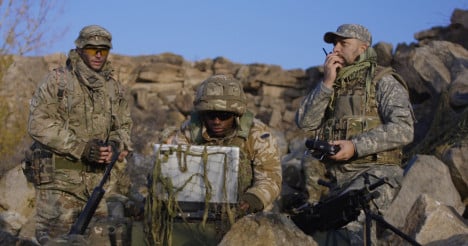
The technical fatigues goes beyond the simple clothing function to become an integrated element of a complete weapons system. Its compatibility with modern equipment (body armor, communication systems, optronic) transforms the fighter into a coherent technological platform.
This technological evolution now influences many civilian sectors. Private security professionals, airsoft practitioners and outdoor activities enthusiasts directly benefit from these innovations, adapting these technologies to their specific needs.
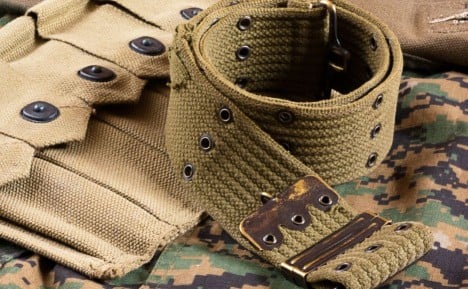
The military surplus sector accompanies this transformation, offering technical equipment accessible to the general public while preserving the historical authenticity of classic pieces.
Current research explores the integration of sensors, active thermal regulation and electronic adaptive camouflage. These developments herald a new revolution in the design of military equipment, extending the transition initiated with technical fatigues.
.jpg)
| Characteristic | Classic military fatigues | Technical fatigues |
|---|---|---|
| Materials | Cotton, canvas, simple ripstop | Reinforced ripstop, aramid, composites |
| Camouflage | Specialized by environment | Multi-environment (BME) |
| Cut | Standard functional | Fitted, optimized mobility |
| Resistance | Robust, wear-resistant | High performance, flame-resistant |
| Technology | Traditional approach | Advanced systems integration |
| Objective | Discretion and durability | Maximum tactical performance |
The distinction between military fatigues and technical fatigues reveals the fascinating evolution of field equipment. While the classic military fatigues maintain their historical relevance and proven robustness, the technical fatigues open new perspectives, combining military tradition and technological innovation.
This evolution does not mark the obsolescence of traditional fatigues, but enriches the offering according to the specific needs of each user. Whether it's preserving historical authenticity or adopting the latest innovations, the world of military surplus continues to fascinate with its ability to reconcile heritage and modernity.
The future promises new advances, where technology and practicality will converge to create the equipment of tomorrow, thus perpetuating the heritage of excellence of French military surplus.