The best equipment for pros and enthusiasts alike




 Professions
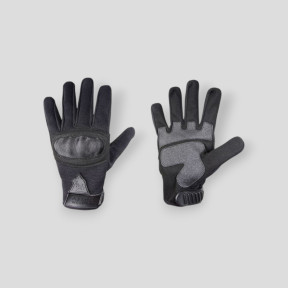
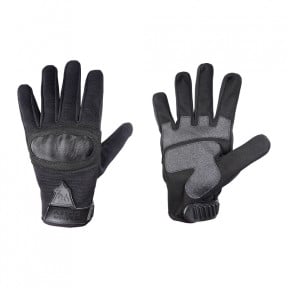
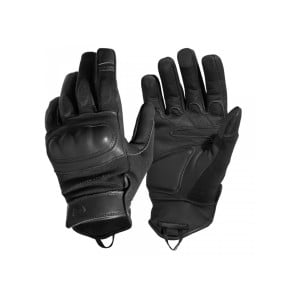
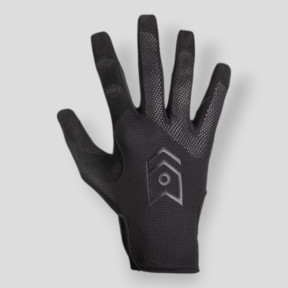
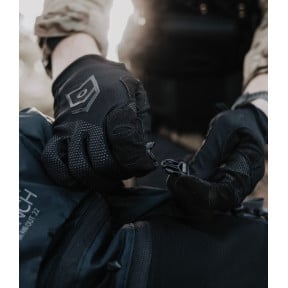
Whether you are a security professional, military, airsoft enthusiast, tactical gloves are much more than a simple accessory. They constitute essential personal protective equipment that can determine your operational efficiency and safety in the field.
Tactical gloves have become essential, whether for military missions, airsoft, precision shooting, or interventions in extreme conditions, choosing the right gloves makes the difference. This guide details all the criteria for optimal selection.
Material choice directly determines the performance and durability of your tactical gloves. Each material responds to specific needs according to the usage environment.
Leather remains a reference thanks to its exceptional durability and water resistance. It excels in environments where abrasion resistance is paramount, such as military operations or interventions in hostile environments. Its ability to resist tears makes it a choice ally for robust activities. However, its low breathability becomes problematic during prolonged efforts or in hot climates, and it requires regular maintenance to maintain its properties.
Synthetics (nylon, polyester, Spandex) offer a remarkable balance between lightness, breathability, and flexibility. Nylon provides exceptional abrasion resistance, polyester excellent UV resistance and quick drying, while Spandex provides elasticity for a perfect fit. These materials wick moisture while maintaining their flexibility in cold weather, making them ideal for airsoft, sport shooting, or prolonged operations.
Kevlar and Aramid offer cut resistance up to five times greater than steel, while remaining flexible for precise manipulation. Essential for high-risk environments like bomb disposal or handling sharp objects. Nomex specializes in fire resistance, vital for firefighters and high-temperature environments. Its ability not to melt on contact with flames provides irreplaceable protection.
Neoprene and Thinsulate excel in thermal insulation. Thinsulate, with its ultra-fine microfibers, traps warm air while wicking away moisture, maintaining dexterity even in freezing temperatures. Palm reinforcements (TPR, carbon fiber) absorb shocks on impact zones. Carbon fiber protections offer exceptional impact resistance with minimal weight, while TPR improves grip on rough objects.
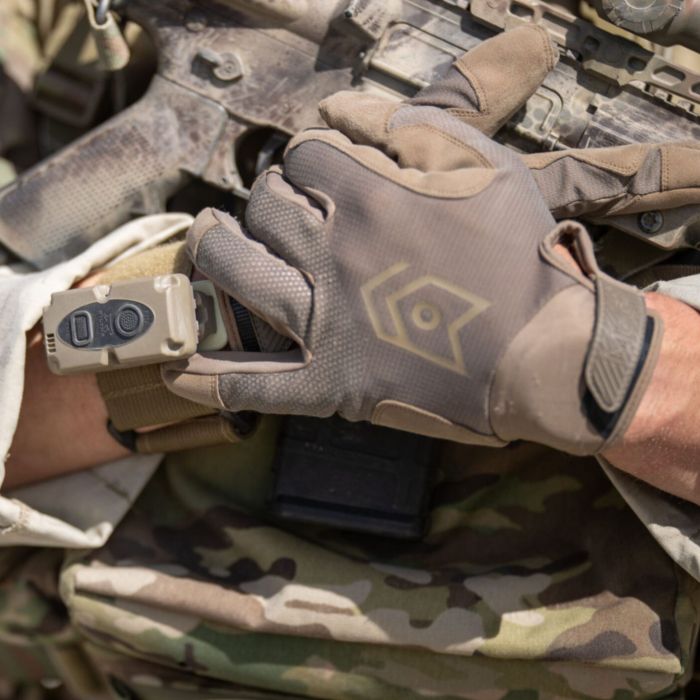
Perfect fit determines your operational efficiency and safety. An ill-fitting glove compromises performance and comfort.
To determine your size, measure the circumference of your dominant hand just below the knuckles, excluding the thumb, with a flexible measuring tape. Also measure the distance from wrist to middle finger tip to verify compatibility. Since standards vary between brands, systematically consult manufacturer-specific charts. A size L from one manufacturer may correspond to a size M elsewhere.
Prioritize length over width: a slightly tight glove will adapt thanks to material elasticity, but a glove that's too short will remain unsuitable. Avoid excess material at fingertips that reduces tactile sensitivity and hinders manipulation. The glove must perfectly conform to finger shape without creating excessive tension, particularly in the highly stressed thumb-index area.
A quality Velcro closure ensures optimal retention, allows quick adjustment, and prevents debris intrusion. The ideal width is around 3-4 cm for optimal compromise between retention and freedom of movement. Choose industrial Velcro resistant to washing, moisture, and fine particles. Some manufacturers offer alternatives like elastic straps or cable tightening systems for extreme conditions.
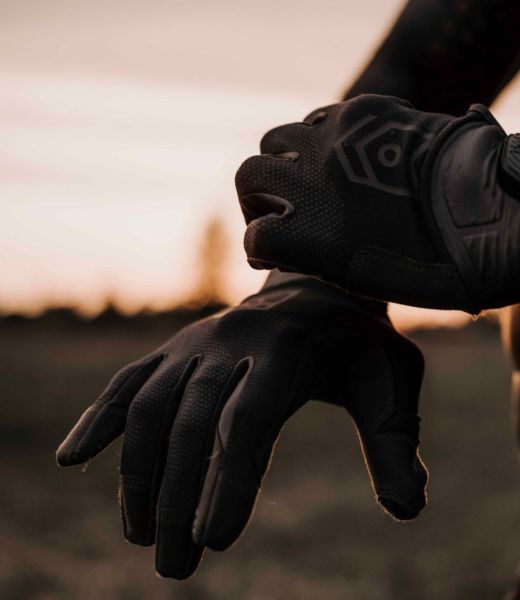
Modern gloves integrate advanced technologies to meet contemporary requirements, determining operational efficiency.
Touchscreen compatibility is essential for operating smartphones, GPS, or radios without removing gloves. This technology integrates conductive fibers (silver, copper) reproducing skin conductivity. High-end gloves offer this function on multiple fingers and maintain their effectiveness after numerous washes, working even with protected screens.
Breathability systems combine mesh fabrics, micro-perforations, and moisture-wicking synthetic materials. Mesh creates natural ventilation without compromising protection, strategically positioned between fingers and on the back of the hand. Micro-perforations evacuate water vapor while blocking liquids. DWR treatments repel water on the surface without affecting breathability.
For extreme environments, multi-layer systems combine outer protection against wind/moisture, intermediate thermal insulation, and inner moisture wicking. Waterproofing and insulation treatments become priorities according to usage conditions.
Full-finger gloves prioritize complete protection for combat and hostile environments. Half-finger gloves maximize tactile sensitivity for precision shooting and explosive handling, but expose sensitive areas. Some hybrid systems offer removable caps for maximum versatility.
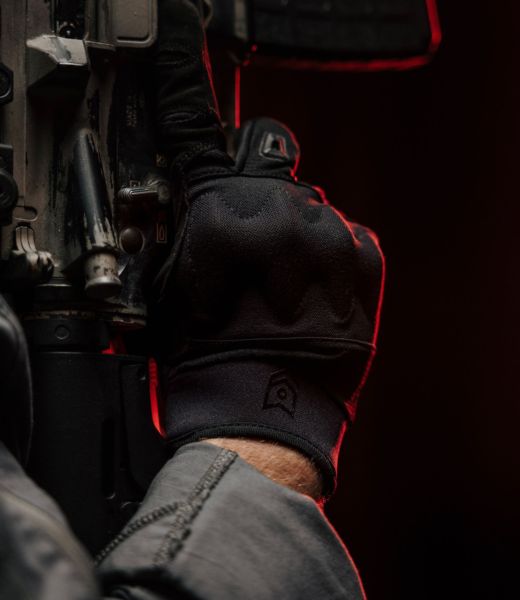
Monitor signs of vascular compression (numbness, tingling) indicating too tight a fit. Check for absence of friction points that could create irritation or blisters. Evaluate fit stability: a quality glove maintains shape and properties after numerous hours of use and cleaning cycles.
1. Suitable Material: perfect match between material properties and specific requirements
2. Targeted Protection: selection of protection systems according to actual risks
3. Perfect Fit: use of manufacturer-specific size guides
4. Reliable Retention: durable industrial closure systems
5. Useful Features: selection of functionalities that provide real added value
6. Operational Validation: thorough testing in real conditions
| Activity | Priorities | Materials | Specifications |
|---|---|---|---|
| Military / Law Enforcement | Impact protection, impact resistance | Kevlar, carbon reinforcements | Night vision compatibility |
| Airsoft / Sports | Dexterity, breathability | Breathable synthetics | Optimal quality-price ratio |
| Winter Conditions | Thermal insulation, waterproofing | Thinsulate, waterproof membranes | Multi-layer system |
| Precision Shooting | Maximum tactile sensitivity | Ultra-fine synthetics | No annoying seams |
Consider the total cost including durability, maintenance, and replacement frequency. Evaluate the impact on your performance: a suitable glove improves efficiency, reduces fatigue, and decreases risks. Anticipate the evolution of your needs to favor versatile gloves or plan a specialized range.
An effective tactical glove results from a balance between protection, comfort, dexterity, and environmental adaptation. By following these criteria, you will identify the model perfectly adapted to your requirements and optimize your operational efficiency. Investment in quality gloves is not an expense, but an investment in your safety and performance.