The best equipment for pros and enthusiasts alike








 Professions
Airsoft is a dynamic recreational activity that combines strategy, skill and immersion in realistic scenarios, where participants simulate confrontations with weapon replicas that propel plastic BBs. Born in Japan in the 1970s in response to legal restrictions on firearms, this sport quickly evolved with the introduction of new technologies and the rise of specialized manufacturers. Its international expansion has enabled the emergence of dedicated communities, tournaments and varied game rules, making airsoft a rich and constantly evolving discipline.
Table of Contents:
In the 1970s, Japan imposed strict laws on firearm possession, preventing collectors from owning real weapons. To meet this demand, inert replicas made of plastic and metal were developed, faithfully reproducing the appearance of original weapons without possessing their danger.
One of the pioneers in this sector, Tanio Kobayashi, played a decisive role in the evolution of these replicas by equipping them with a functional system allowing the propulsion of 6 mm BBs using compressed air. This innovation transformed simple collectibles into interactive devices, giving birth to a new form of recreation where realism and safety combine.
This development has allowed enthusiasts to experience an immersive and dynamic experience while respecting current legislation, making airsoft a regulated alternative to traditional firearms.
These innovations make airsoft more accessible, more realistic and promote its expansion to the general public. New players flock in, attracted by the possibility of experiencing strategic confrontations in a secure environment. Tokyo Marui thus establishes the foundations of a growing market, encouraging other manufacturers to develop replicas that are increasingly efficient and faithful to real models.
In 1993, Tokyo Marui developed the Hop-up system, which increases the range of BBs without increasing their initial velocity, thus improving the accuracy and realism of shots. This advancement reinforces the appeal of airsoft among enthusiasts and professionals.
.jpg)
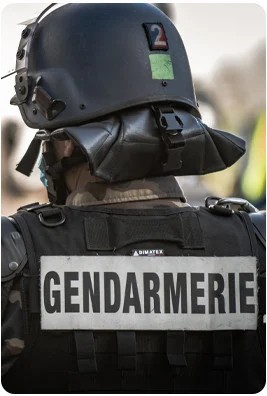
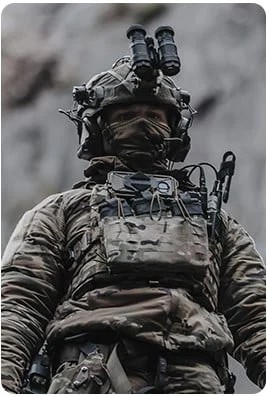
After its success in Japan, airsoft gained popularity in Europe and North America thanks to the diversity of replicas and scenarios offered. Its realism and flexibility attract a wide audience, from amateur players to professionals in the military and police field, who use it for tactical training.
Today, airsoft is a globally practiced sport, combining competition, simulation and cooperation. It continuously evolves with new technologies and game rules, ensuring an increasingly immersive and captivating experience.
From a simple alternative to firearms to a true global phenomenon, airsoft has established itself as a strategic and immersive recreational activity. Thanks to technological advances and its adoption by various audiences, it continues to evolve. Today, innovations such as ultra-realistic replicas, integrated communication systems and interactive scenarios enhance the player experience.
Airsoft is no longer limited to recreational leisure: it is used for law enforcement training, in military training and even in the film industry for realistic simulations. With international competitions and dedicated events, it brings together a passionate community that seeks to push the limits of realism and strategy. The future of airsoft looks even more dynamic with the arrival of new technologies and the growing interest of practitioners worldwide.