The best equipment for pros and enthusiasts alike





-60%
 Professions
Desert environments represent one of the most hostile environments for professionals. With extreme temperatures, absence of water, unpredictable sandstorms, and difficult terrain, deserts require equipment specifically adapted to ensure not only the effectiveness of missions but also personnel survival. In this article, we will examine in detail the specifics of equipment in desert environments, a crucial subject for all professionals required to operate in these extreme conditions.
Table of Contents
The desert presents particular challenges that require specific adaptation of equipment. The main factors to consider include:
These hostile conditions impose strict requirements for any equipment used in these areas.
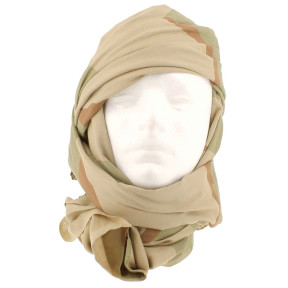
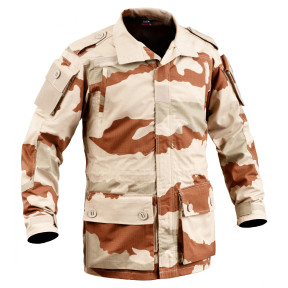
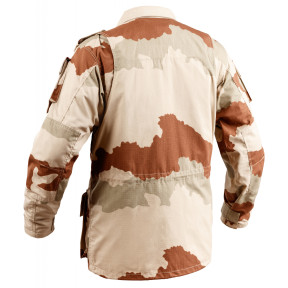
Desert environment clothing must combine sun protection and effective thermoregulation:
The new generations of technical textiles now offer antimicrobial properties that limit odors during extended missions, a considerable advantage in desert conditions where washing opportunities are limited.
.jpg)
Personal protective equipment must include:
This equipment must be compatible with the tactical requirements of missions.
In an environment where visual landmarks are rare and changing, reliable navigation equipment is vital:
The most recent models integrate team tracking and geolocation functions, particularly useful for coordinated security operations.
Communications in desert environments pose major challenges, regardless of the type of transmission used.
Redundancy in communication systems is crucial to maintain contact under all circumstances.
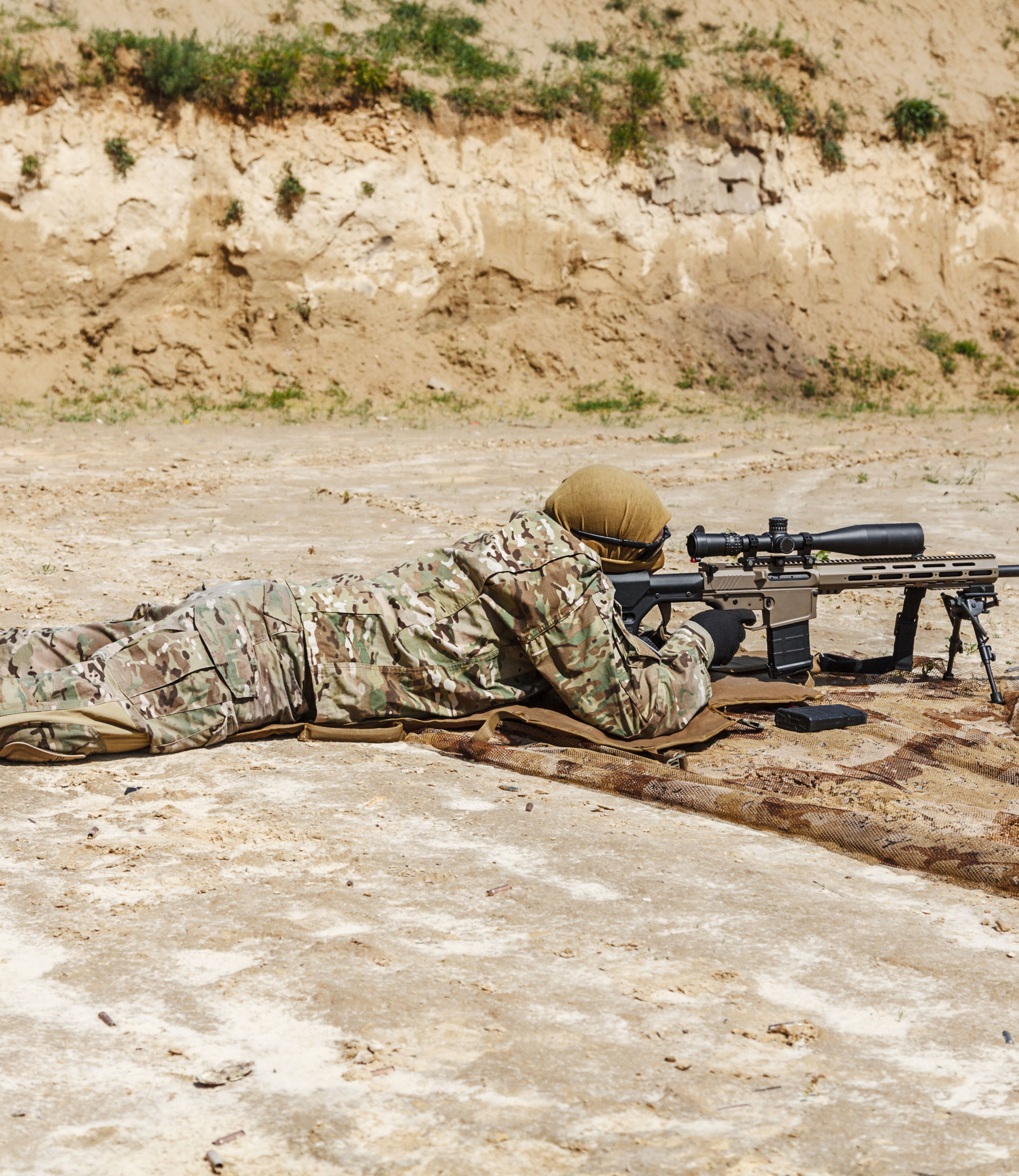
In desert environments, water management represents the vital challenge par excellence for any military operation. The ability to supply troops with drinking water directly conditions their endurance, mobility and effectiveness in the field.
The dedicated equipment includes:
Professionals must plan for a minimum capacity of 7 to 10 liters per person per day depending on activity intensity. Dehydration of only 2% of body weight can significantly reduce cognitive and physical capabilities, compromising operational safety.
In desert environments, individual mobility equipment is crucial to enable soldiers to move efficiently and safely in a particularly challenging environment.
This equipment must be selected for its lightness and resistance to extreme conditions.
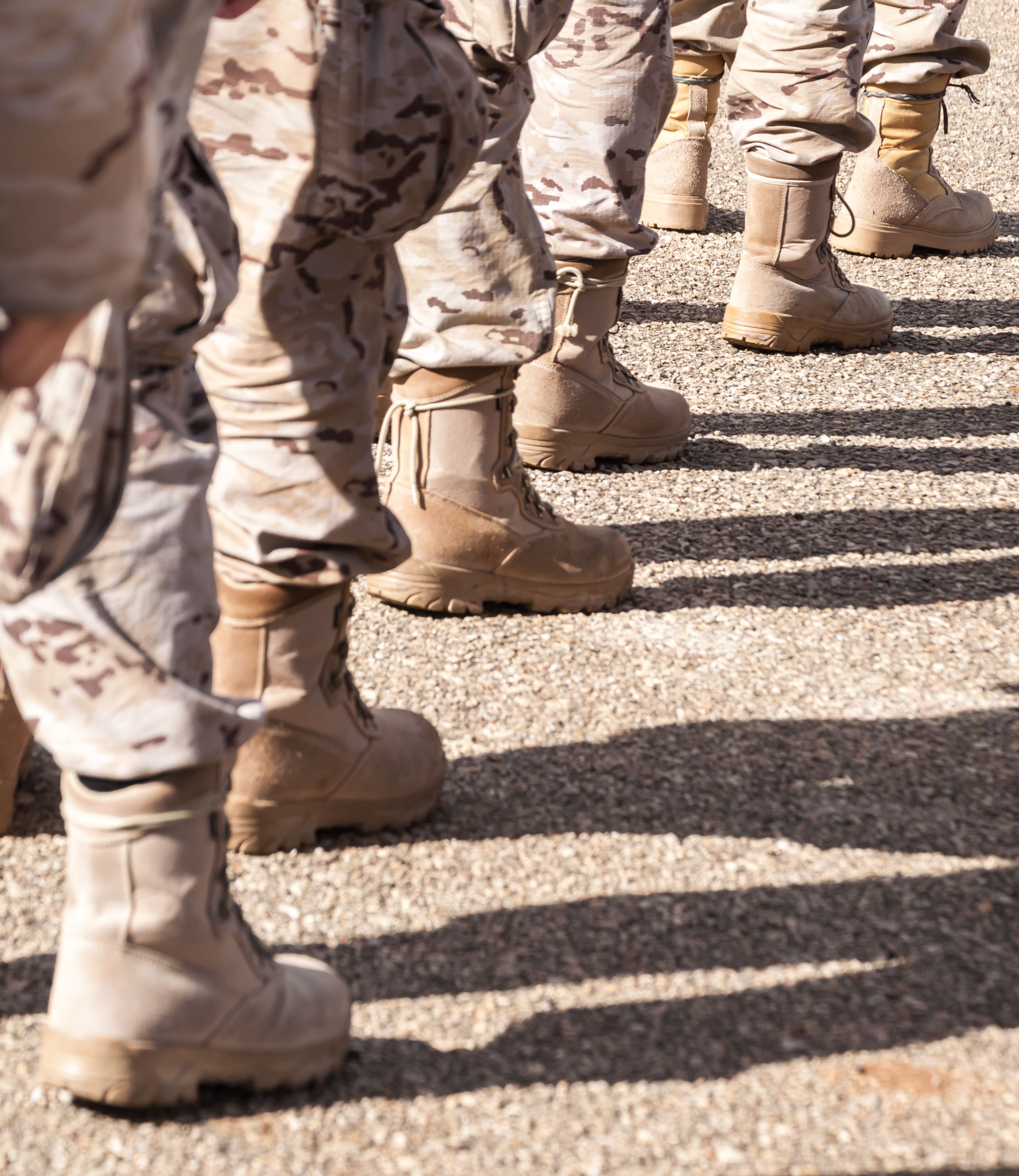
The shelter solutions in desert environments include a variety of devices adapted to extreme conditions.
For professionals, these shelters must balance protection and operational discretion.
Specific equipment helps manage thermal variations:
The ability to maintain stable body temperature is directly related to operational effectiveness.
Medical kits must include:
Training in desert-specific medical protocols is as important as the equipment itself.
Certain medications require particular attention:
Professionals must ensure that their pharmacy is adapted to specific local conditions.
Protection of equipment during transport is crucial:
Methodical organization of equipment can make the difference between a successful mission and failure.
Equipment in desert environments tolerates no approximation. Each element must be carefully selected, tested, and maintained to ensure its reliability in these extreme conditions. Security professionals operating in these environments must pay particular attention to the quality, durability, and specific adaptation of their equipment.
Technological advances continue to improve the performance of desert equipment, but in-depth knowledge of the environment and meticulous preparation remain the best assets of operators. At VetSécurité, we offer equipment solutions specifically designed for the challenges of the desert environment, combining technological innovation and field expertise.