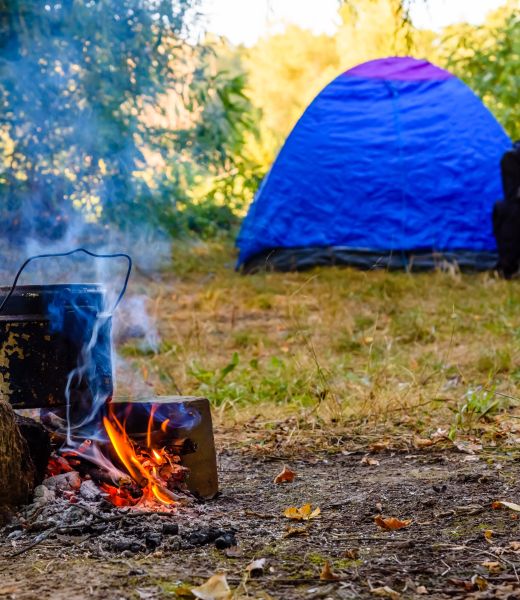
Bivouac is an exhilarating adventure that allows you to reconnect with nature. However, it's also an activity that can be very demanding on your gear! If you love hiking, trekking, or spending nights in the wilderness, you know that your equipment must be able to withstand harsh conditions and natural elements.
Whether it's a waterproof tent, a windbreaker jacket, or breathable and insulating technical clothing, each piece of equipment has specific characteristics that must be carefully maintained. Regularly cleaning and caring for your bivouac gear is essential to maintain its performance and extend its lifespan.
Summary:
Why is it important to clean your bivouac gear?
Cleaning your bivouac gear is essential for several reasons, both to preserve the quality of the equipment and to ensure the safety and comfort of users during their outdoor adventures.
- Performance maintenance: Each piece of bivouac gear, whether tents, sleeping bags, technical clothing, or shoes, is designed with specific characteristics such as waterproofing, thermal insulation, or breathability. Regular cleaning helps preserve these properties. For example, a tent that isn't properly cleaned can see its waterproof fabric lose effectiveness. Similarly, a poorly maintained sleeping bag can lose its insulation capabilities, making nights outdoors less comfortable and riskier.
- Increased longevity: Bivouac gear often represents a significant investment. By taking care of each piece, you extend its lifespan and delay the need to replace it. Regular cleaning and maintenance help reduce premature wear, tears, and damage caused by dirt, moisture, or external elements. A good maintenance routine is therefore an economical way to maximize the return on your equipment investment.
- Prevention of future problems: Poorly maintained bivouac equipment can lead to various problems in the field, such as stuck zippers, failing seams, water infiltration, or even mold. Preventive maintenance helps detect these potential problems before they turn into annoying or dangerous situations during your outings.
How to take care of your bivouac tent?
The tent is central equipment for bivouac, ensuring protection against the elements and comfort during the night. Proper maintenance is crucial to maintain its effectiveness and extend its lifespan.
- Remove debris: Before storing your tent, start by shaking it thoroughly to remove dust, sand, leaves, and other debris accumulated inside. Use your hands or a small brush to remove dirt stuck in corners and crevices.
- Deep cleaning: Use a soft brush and warm water to clean stubborn stains on the tent fabric, such as mud or tree sap. Avoid harsh chemicals that could damage the tent's waterproof coating. Instead, prefer mild soaps or those specific to technical fabrics.
- Complete drying: Before folding and storing the tent, make sure it's completely dry. Trapped moisture can cause mold formation and damage the fabric. Hang the tent outside or in a well-ventilated place until it's completely dry.
How to maintain your sleeping bag?
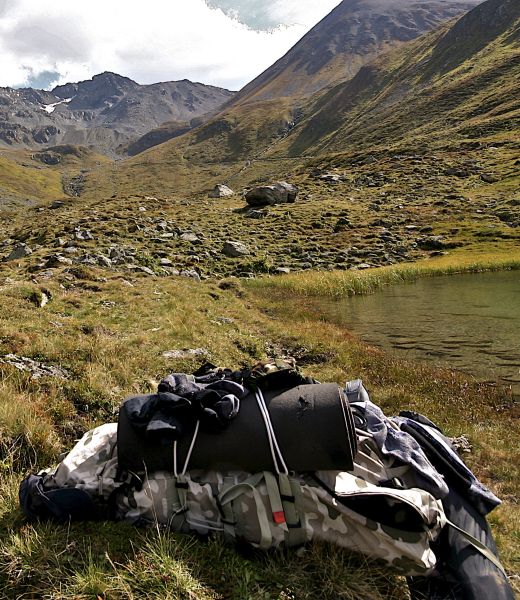
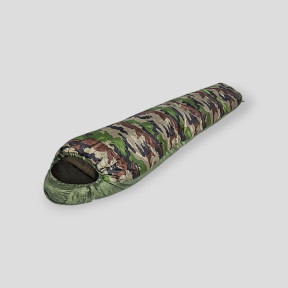
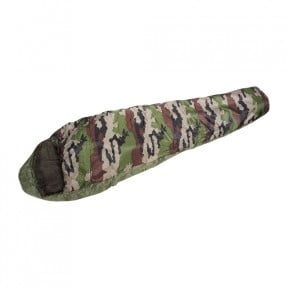
The sleeping bag is essential for staying warm during nights on your bivouacs. Here's how to keep it in good condition:
- Washing: Washing a sleeping bag too often, especially if it's filled with natural down, can reduce its insulating power. Before proceeding with washing, make sure it's really necessary. Most of the time, good airing and spot cleaning are sufficient to remove small stains and odors. If a complete wash is unavoidable, follow the manufacturer's recommendations. Use a delicate program on your washing machine with cold or warm water and a mild detergent, specifically designed for technical textiles or down. You can also choose hand washing in a bathtub with the same precautions.
- Flat drying: Drying is crucial to preserve the properties of your sleeping bag. After washing, don't wring it to squeeze out water, as this could damage the fibers or down. Instead, use a drum dryer on low temperature with dryer balls to help restore the bag's loft. Otherwise, let it dry flat in a well-ventilated area, spreading it evenly.
- Proper storage: Once dry, never store your sleeping bag compressed in its transport bag, as this can affect loft and insulation. Instead, use a mesh or cotton storage bag, which allows better air circulation and preserves the insulating qualities of down or synthetic fiber.
If you want additional advice on maintaining your sleeping bag, we have written a complete article on this subject. Also, you can find our guide, gathering 5 essential tips for choosing your sleeping bag.
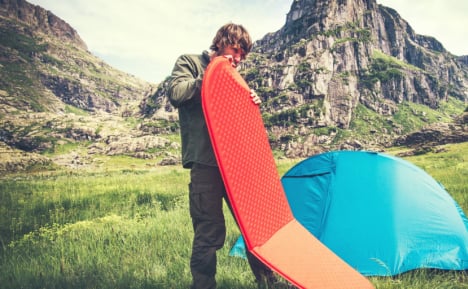
Taking care of your sleeping pad
The sleeping pad is another fundamental element for the comfort of your bivouac:
- Gentle cleaning: After each outing, clean your sleeping pad with a soft, slightly damp cloth to remove dust, mud, and other debris. Avoid using abrasive sponges or brushes that could damage the fabric or coating.
- Check for leaks: Inflate the mattress and check for leaks by listening for any hissing sounds or applying soapy water to the surface. Bubbles indicate an air leak. In case of a leak, immediately use the repair kit provided with the mattress or a specific repair patch to ensure perfect sealing.
- Dry and clean storage: Store your sleeping pad in a dry, cool place away from direct sunlight. If possible, store it flat or slightly rolled, without compressing it too much. This prevents damage to the materials and welds.
Maintaining technical clothing and footwear
Technical clothing and shoes also require special attention:
- Washing technical clothing: Most technical clothing can be machine washed. Use detergents specially designed for technical fabrics, which preserve breathable and waterproof properties. Avoid fabric softeners, which can clog the pores of breathable fabrics.
- Shoe cleaning: After each use, remove mud, dust, and debris from your shoes with a soft brush. Use warm water and mild soap to clean persistent stains. Avoid completely immersing them in water, especially if they have a waterproof membrane.
- Waterproofing: To maintain the waterproof properties of your equipment, apply a quality waterproofing spray after cleaning.
Some additional tips for maintaining your bivouac gear
To go further in maintaining your equipment, here are some additional recommendations:
Regular waterproofing: Maintaining the waterproof properties of your equipment is essential for their performance. Use a high-quality waterproofing spray on your tent, sleeping bag, shoes, and technical clothing. Apply it outside and let the equipment dry completely before storing it. A waterproofing treatment once a year is recommended to preserve the waterproofing of your equipment.
Checking seams and closures: Carefully examine all seams of your equipment to spot signs of wear or tears. Repair defective seams with an appropriate repair kit. Also check the condition of zippers and apply specific lubricant if necessary to ensure their proper functioning.
Proper storage: Store your bivouac gear in a dry, well-ventilated place away from direct sunlight. Avoid humid locations to prevent mold formation. Make sure your sleeping bag is stored in its storage bag, not in its transport bag, to avoid damaging the down filling and maintain its insulation properties.
Maintaining and cleaning your bivouac gear is crucial to ensure its performance, durability, and your safety during your adventures. Take the time to properly clean and inspect each piece of equipment before storing them for winter.
 The best equipment for pros and enthusiasts alike





 Professions