Survival techniques encompass a wide range of skills and knowledge aimed at ensuring survival in hostile environments or emergency situations. They include mastering first aid, shelter construction, searching for food and water, fire, navigation and food preservation. These skills are essential for ensuring safety, comfort and long-term survival in difficult conditions.
Table of Contents:
- The rule of threes in survival
- Aspects of survival
- The campfire
- Purify water
- Health and hygiene
- Navigation
- Food
The rule of threes in survival
In a survival situation, the rule of 3 is fundamental:
- 3 seconds of inattention can have fatal consequences, particularly in the mountains (falling stones, branches, trees, etc.). It is crucial to exercise caution, especially in isolated or hard-to-reach environments. Several elements can diminish our vigilance: stress, fatigue, dehydration, as well as hypothermia or hyperthermia.
- 3 minutes without oxygen remains the maximum to act before a risk of imminent death. This threat can arise in different ways, each requiring rapid action to avoid the worst. Drowning, strangulation and inhalation of toxic gases are all dangers that can lead to fatal oxygen deprivation in less than three minutes. Whether due to immersion in water, pressure on the airways or inhalation of toxic substances, it is crucial to recognize these situations and act promptly to preserve life.
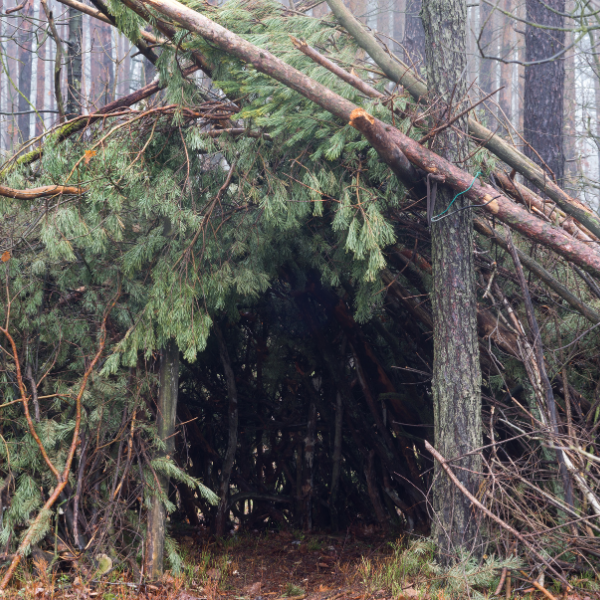
- 3 hours without protection from the elements: Prolonged exposure to natural elements such as cold, rain or wind can quickly lead to loss of body heat, leading to hypothermia. Protecting yourself from the elements by building shelter is therefore crucial in the first hours of a survival situation. Building a solid shelter is a priority to protect yourself from cold and stay dry. Nature, while a source of life, can also be a threat. A well-built shelter is not only a barrier against the elements, but also ensures quality rest, essential for maintaining the energy necessary for survival.
- 3 days without drinking: Access to drinking water is essential. Without hydration, the human body can quickly suffer from dehydration, leading to serious health problems. Searching for and purifying water therefore becomes a major priority in the first days of a survival situation.
- 3 weeks without eating: While food is necessary to maintain long-term energy, the human body can survive for several weeks without consuming food. This highlights the relative importance of food compared to other immediate needs such as protection from the elements and hydration.
- 3 months without human contact: Dying of loneliness may seem unlikely to you, but deprived of all social contact, an individual is often subject to strong hallucinations before falling into madness. To overcome this loneliness, it is vital to hold on to anything: an animal, a plant or even invent a travel companion.
Aspects of survival
The campfire
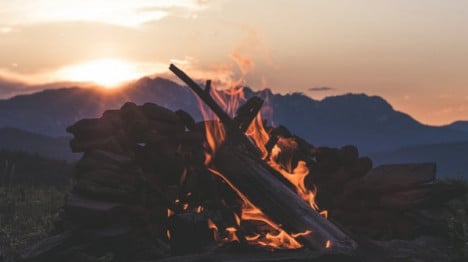
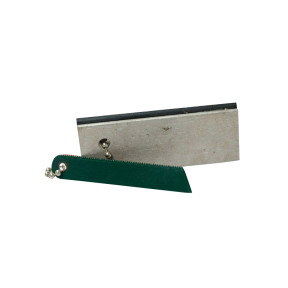
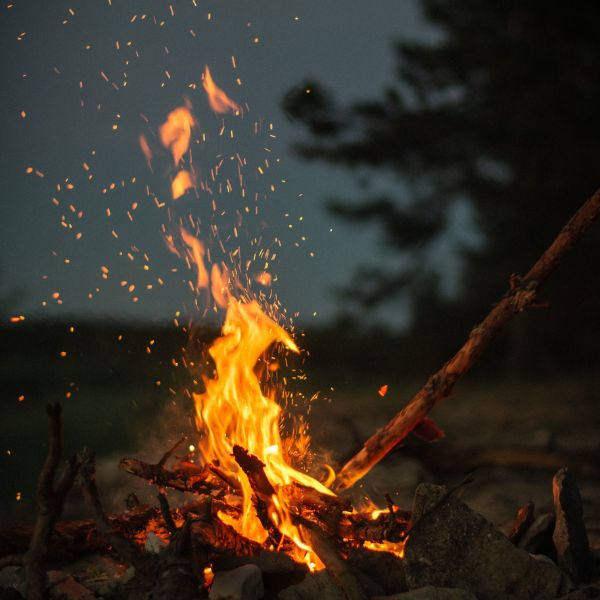
Fire is much more than a source of heat. It offers the possibility to cook, purify water and deter predators. In a survival situation, a robust campfire can keep unwanted animals away during rest. Learning different methods to light a fire, using for example a fire steel like the Magnesium flint from the Miltec brand, is essential to ensure a source of heat, light and security.
Purify water
Water is a vital element, but its quality can be compromised. Purifying water is essential to avoid diseases. Simple methods, such as using a straw from the LifeStraw brand, can filter water quickly. In the absence of devices, filtering water through cloth and boiling it are accessible techniques. Knowing where to find drinking water, such as collecting rainwater, is also a valuable skill.
_1.jpg)
Health and hygiene
In a survival situation, health and hygiene are aspects often neglected, but crucial for ensuring long-term survival. Although difficult conditions may encourage sacrificing daily comfort, it is essential to maintain basic hygiene practices to preserve health.
- Washing: Access to a shower is not a solution in a survival situation, but washing remains important. Water sources can serve as a source for basic washing, and with pine resin, it is possible to make improvised soap.
- Precautions: Managing excrement is delicate without access to running water. It is essential to stay away from the campsite and water to avoid attracting animals and polluting sources.
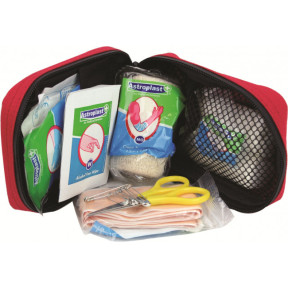
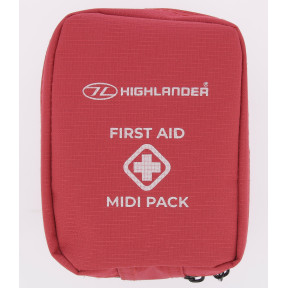
- In your survival bag: A first aid kit is an essential element. It should contain various items such as compresses, bandages and dressings to deal with emergency medical situations. Also plan for soap like the liquid soap from the Sea To Summit brand and spare clothing to maintain personal hygiene and avoid skin infections.
While hygiene may seem secondary compared to other priorities in a survival situation, it directly contributes to preserving health, which is essential for facing long-term challenges.
The 5 Basic Techniques to Master in Survival
Come discover our bivouac clothing and equipment on our online store.
Click here
Navigation
In a survival situation, it is crucial to be able to navigate to find your way and ensure your safety. Several methods can be useful:
- Memorizing landmarks: When you move around, try to memorize landmarks such as distinctive trees, rocks or mountains. This can help you find your way back if you get lost.
- Using the sun as a landmark is a traditional navigation method. Generally, the sun moves from east to west, except at the North and South poles. A practical trick is to plant a stick in the ground so that it stands upright on its own, then mark where the shadow of the tip of the stick is. By observing the direction in which the shadow moves over time, you can approximate the east direction. This method can provide basic orientation in an emergency situation.
- Using a compass like the expedition 4 compass from the Silva brand can be extremely valuable. Even basic knowledge of how it works - with the needle always pointing to magnetic north - can be beneficial. A compass is particularly useful if you have a map to consult, but it can also be used alone. Its main advantage lies in its reliability, as it will continue to function when other devices might not be available. An understanding of its use can therefore be an important asset in an emergency situation.
.jpg)
Food
The quest for food occupies a central place in survival scenarios. However, to ensure effective survival, it is crucial to approach the food question thoughtfully.
In forest environments, foraging, fishing and hunting represent the main methods. Each has its advantages and disadvantages, but the key is to spend less energy obtaining food than that provided by the food itself. For example, hunting can provide energetic meat, but it can also require considerable energy investment.
Food preservation is of crucial importance for ensuring food safety, especially in survival situations. It encompasses various techniques such as drying, smoking, and many others. The main objective is to limit dependence on external supply sources while extending the shelf life of available food supplies. By adopting these methods, one can ensure having provisions available in the long term, which is vital in case of emergency or survival situation.
The search for food, while vital, must be approached with a strategy focused on conserving energy and resources. Initial priority should be given to building up a stock. Fishing should be favored, as it requires less movement and energy than hunting and foraging.
 The best equipment for pros and enthusiasts alike



 Professions