The best equipment for pros and enthusiasts alike




 Professions
After the stove, the tarps or even the sleeping bag, it was time to talk about another essential bivouac equipment: the sleeping pad. In this article, we'll discuss why the sleeping pad is so important and what criteria to consider to make an informed choice.
Table of Contents:
The sleeping pad is certainly, along with the sleeping bag, the most important element of your bivouac outing. Anyone who has ever tried to do without this comfort element will tell you: "Never again!" Even though it's possible to do without a tent to sleep under the stars, a pillow or even a sleeping bag if it's warm enough to sleep in a bivy or a silk liner, sleeping without a sleeping pad is a real hell! I wouldn't even wish it on my worst enemy. I even know some who had the "brilliant idea" of cutting their foam sleeping pad to save a few grams and had to abandon their hike halfway through after a few nights wondering what possessed them to think their legs wouldn't need comfort too. In short, you'll understand, a good sleeping pad is essential to reduce fatigue, protect from the cold, prevent injuries and set off each morning with a light heart for a new day of hiking.

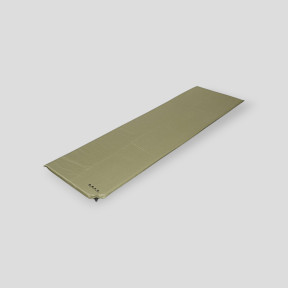
Find a wide range of sleeping pads, self-inflating or inflatable mattresses in our online store.
Nowadays, there are sleeping pads for all body types, all weather conditions and all budgets. Here are the different criteria to consider to choose the ideal sleeping pad:
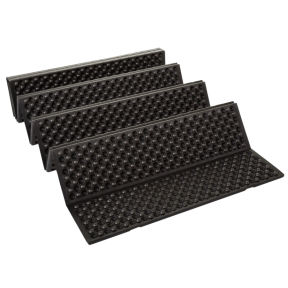
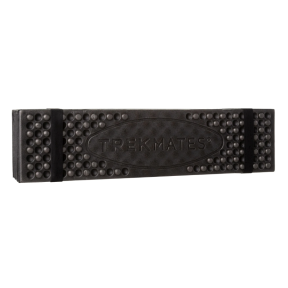
Type of pad: You can be "team inflatable mattress" or "team self-inflating mattress", each version has its advantages and disadvantages. The former require more effort, but the latter tend to join those of the first category after a few years of use. If you're planning a high-altitude bivouac, we recommend taking a self-inflating mattress or getting a pump sack. Indeed, the higher you go, the scarcer oxygen becomes, and the more time (and energy) you'll spend inflating your mattress. And if you're more "old school team", then nothing beats the good old foam sleeping pad: cheap, indestructible and ultra-light. The trade-off? They're generally bulkier, less insulating and less comfortable, but after all, you know the expression... You can't have your cake and eat it too!
Pad shape: The rectangular-shaped, uniform sleeping pad is generally appreciated by people who are primarily looking for comfort since its surface is more spacious. Mummy-shaped sleeping mats, more tapered towards the legs, will be preferred by people concerned with weight and space in their backpack (Article that might interest you: How to choose the volume of your backpack?).
Thermal insulation and comfort: Thermal insulation, expressed with the R-value, is crucial, regardless of the shape or type of sleeping pad you choose. Make sure the pad offers adequate insulation for the conditions you'll be exposed to:
Summer: 1 – 2
Fall/Spring above 0°C: 2 – 3
Three seasons down to -10°C: 3 to 4
Winter and extreme conditions: beyond 4
If you want to increase the R-value of your sleep system, you can also combine a classic foam sleeping pad with an inflatable or self-inflating sleeping mat.
As you'll understand, choosing a sleeping pad is essential to succeed in your outdoor adventure. And with all the products available on the bivouac market, it's impossible not to find the perfect gem!