The best equipment for pros and enthusiasts alike



 Professions
Passionate about hiking, bushcraft, bivouac or camping, choosing a good survival knife can make all the difference during your next outdoor adventure or in an emergency situation. In this article, we will present a selection of high-quality survival knives and compare them based on their characteristics, durability and value for money. Novice or expert, you will definitely find the survival knife that suits you in our guide !
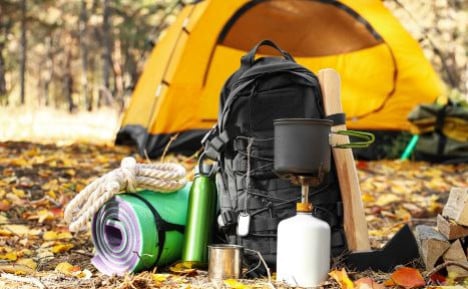
The survival knife is also essential if you want to build a survival bag. Do you want more information to properly compose your survival bag? Check out our blog article that will allow you to be ready for all types of situations.
Table of contents:
If we refer strictly to French law:
Possession is authorized;
Carrying (knife carried on oneself, ready to be used) is regulated;
transport (in a closed bag, etc) is regulated;
Sale and purchase are authorized for adults only.
Specifically regarding carrying a knife, French law makes little distinction. It prohibits carrying any knife which, by definition, is considered a category D bladed weapon, regardless of its type, blade length or locking mechanism.
However, jurisprudence specifies that traditional or recreational knives such as the Opinel, a laguiole or even classic Swiss knives, should not be interpreted as a bladed weapon.
It would therefore seem that context can be taken into account. Law enforcement can thus show more or less tolerance depending on their interpretation of the situation. A hiker in the forest equipped with an Opinel-type folding knife will certainly be less suspicious in the eyes of law enforcement than an individual wanting to enter a stadium carrying a butterfly knife in his pocket.
You are now warned!
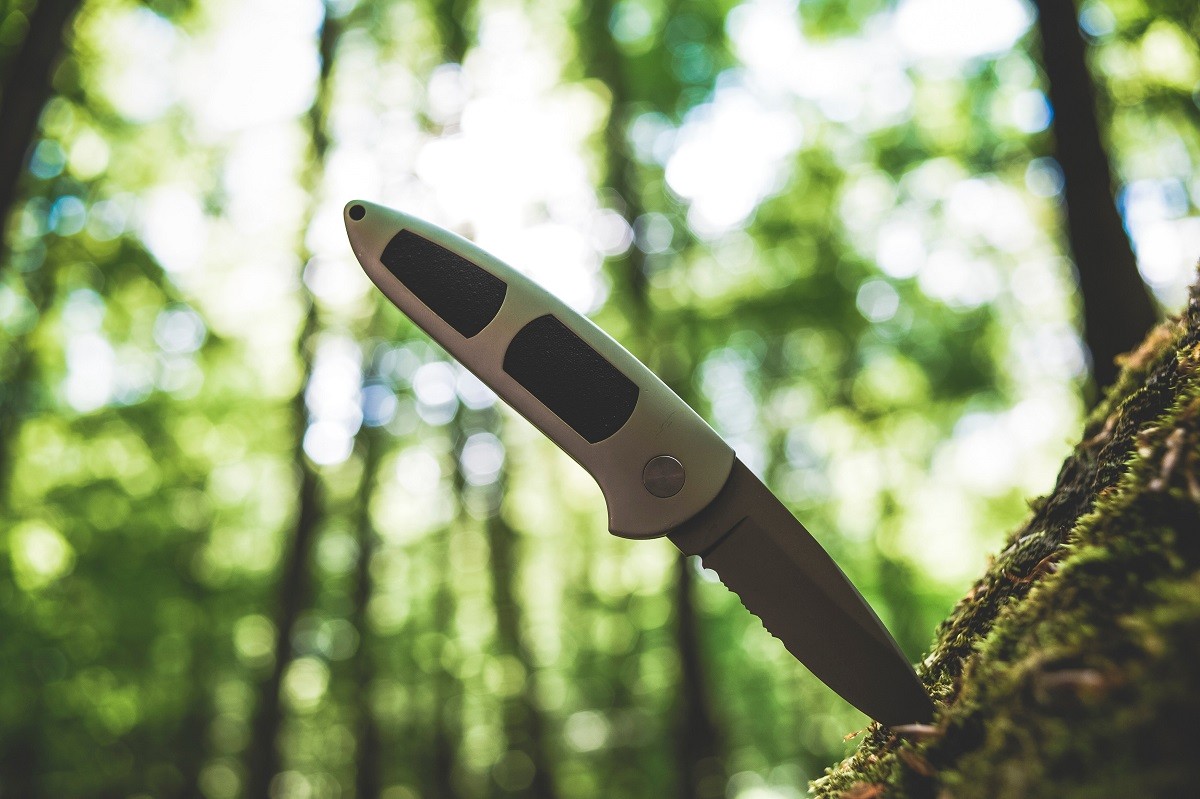
There is no ultimate survival knife that surpasses all others. A good survival knife is above all a knife that suits your needs and personal preferences. But then, how to choose ?
There are different types of survival knives, each with its advantages and disadvantages. Here are some of the most common:
Fixed blade knife: these knives are renowned for their solidity and reliability. With their superior strength, they offer better cutting capacity and greater versatility for survival tasks. The blade is attached to the handle.
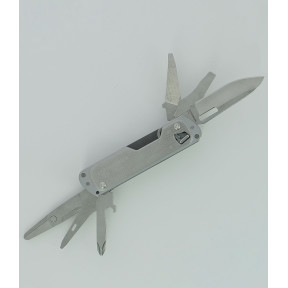
Folding knife: Compact and easy to carry, folding knives have a folding blade that folds inside the handle, making them safer when not in use. Although often smaller than fixed blade knives, some folding models offer sufficient robustness and versatility for survival activities.
"Serrated" blade knife: Some survival knives combine a smooth blade with serrated parts. The serrated part allows for more efficient cutting of materials such as ropes, branches or fabrics. These knives offer additional versatility for survival tasks requiring quick and efficient cutting.
Full tang blade knife: The term "full tang" refers to a blade that extends the full length of the knife handle. Full tang blade knives are renowned for their increased strength and durability, making them suitable for rigorous survival tasks. This design allows force to be efficiently transferred along the entire length of the knife, making it less likely to break or deform. It's the quintessential survival knife, almost "unbreakable".
Knife with full tang construction (rat-tail tang): like the full tang, the full tang blade extends into the handle but only over part of the length and then narrows to become narrower. This rod is then attached or welded to the knife handle. These knives are more resistant than fixed blade knives but less than "full tang" ones.
The shape of the blade depends on its use. Here are the most common shapes:
Clip point : pointed tip, the top of the blade slopes downward while the tip curves upward. This shape is useful for precision work and hunting.
Tanto : triangular point. This shape is ideal for survival or for a tactical knife due to increased penetration. Robust, it is also ideal for cutting hard materials.
Spear point : The top of the blade is curved until it meets the tip. This shape is robust like the tanto but more versatile.
Drop point : The top of the blade is curved to the tip but the curve is much less pronounced than for a spear point blade. It's the simplest shape and therefore certainly the most versatile.
The choice of material, like the type, is made according to your needs, the environment you will encounter and your preferences.
Here are some of the materials commonly used for survival knife blades:
Stainless steel: these blades are appreciated for their corrosion resistance and ease of maintenance. They are less likely to rust and are more stain-resistant than other types of blades. However, stainless steel is generally less robust and requires more frequent sharpening than other materials.
Carbon steel: Carbon steel blades are renowned for their durability and exceptional sharpness. However, they are more sensitive to corrosion. Regular maintenance is necessary to prevent rust and maintain their performance.
Laminated steel: Some survival knives use laminated steel blades, which are made by combining different layers of steel. This construction gives the blade a combination of durability, strength and flexibility. Laminated steel blades can be more expensive, but they offer excellent performance.
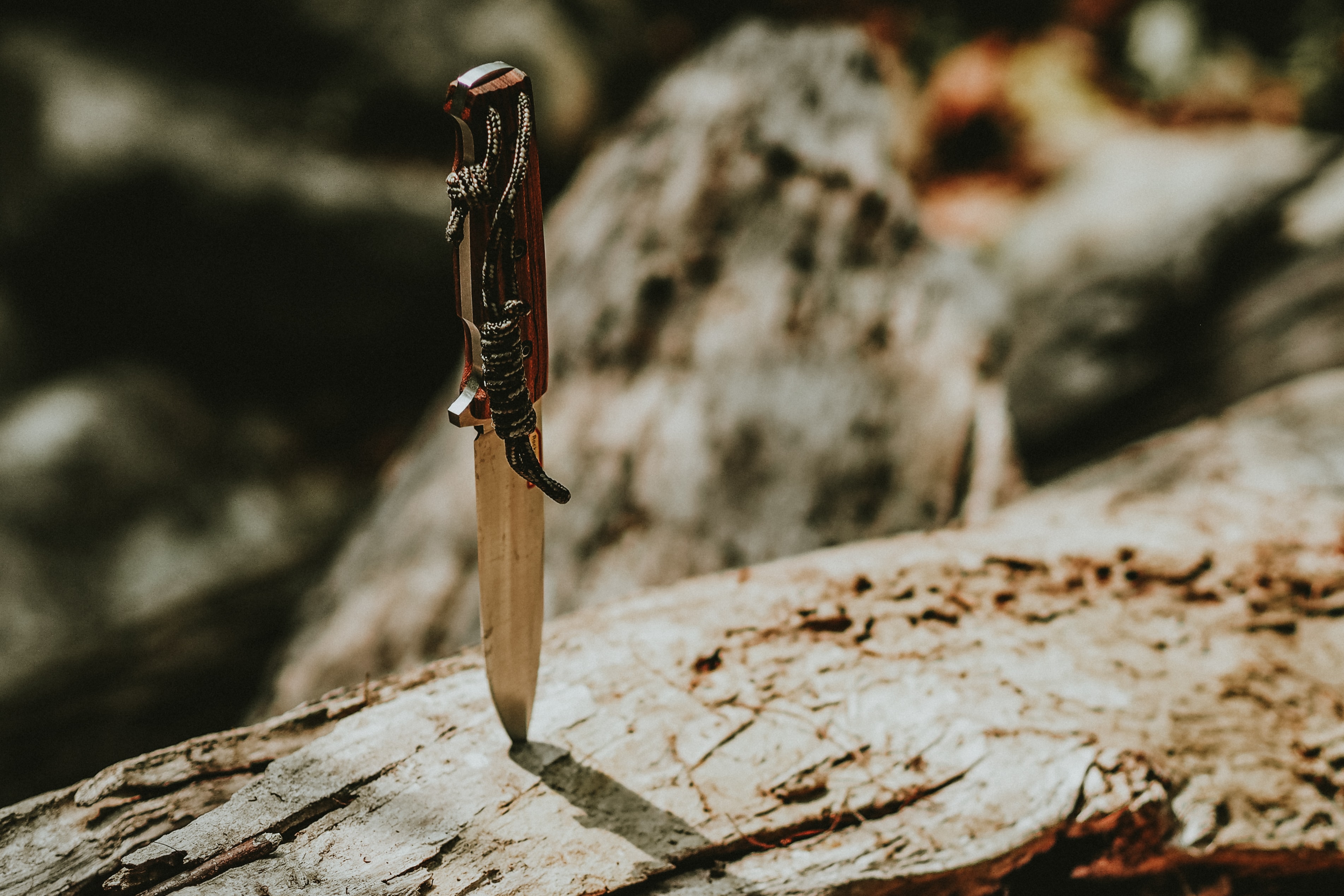
If the type of knife and the blade material are not enough to help you make your choice, you can also pay attention to the type of material used for the handle:
Wood : aesthetic and warm, wood is a traditional material. Pleasant to use, it is however not the ideal material for "survival" type use since it requires regular maintenance and is more sensitive to humidity.
G10 and Micarta: these composite materials are made by layering multiple layers of fiberglass or cloth soaked in epoxy resin. These types of handles are durable, resistant to moisture, chemicals and extreme temperatures. They offer excellent grip, even in wet or slippery conditions, which makes them popular for survival knives.
Rubber: rubber handles provide a comfortable and non-slip grip even in wet conditions. Rubber also absorbs shocks and vibrations.
Some survival knives offer additional features that may prove more or less useful.
Among the most common features, we find:
Glass breaker: ideal for those looking for an "urban" survival knife.
Emergency whistle;
Fire starter hidden in the handle;
Handle wrapped with paracord;
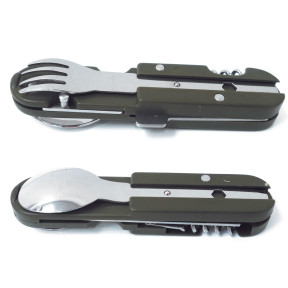
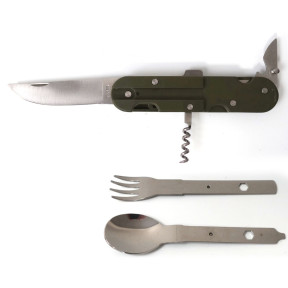
Multi-functional (corkscrew, tick remover...);
Belt clip;
With sheath;
…
On vetsecurite.com, we offer a wide choice of knives, shovels, axes and saws. To find what you're looking for, simply browse our bivouac/outdoor category dedicated to these essential tools !
If you can't make your choice, here are three survival knives selected by our team that will suit all budgets and all levels, from beginner to bushcraft expert.
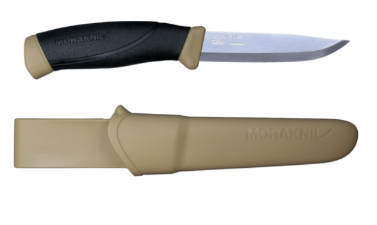
This Companion knife from the Morakniv brand is a survival essential. Ideal for beginners or tight budgets, it is designed with a fixed stainless steel blade with a length of 10.4 cm. The Swedish brand is renowned for the quality of its products and recommended by many outdoor professionals. Very resistant and versatile, you will never be disappointed with the Companion knife. All bushcraft enthusiasts will tell you, the Morakniv Companion is a classic that has proven itself.
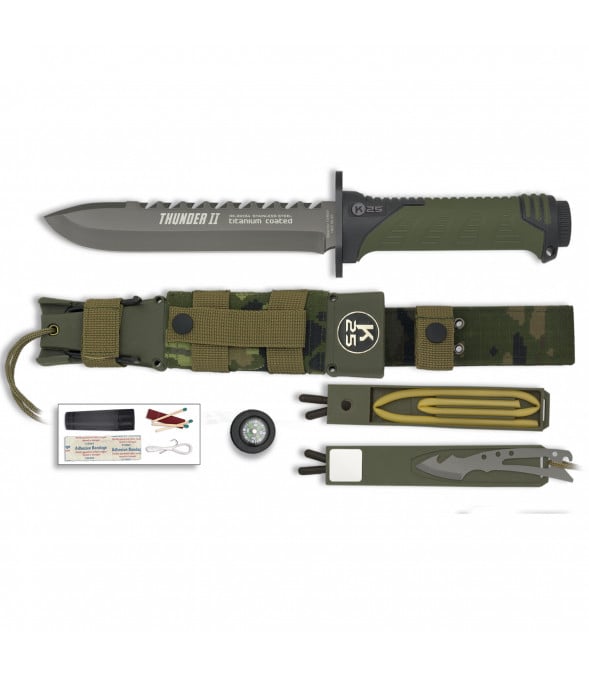
This survival knife from the K25 brand contains a whole arsenal in its handle! This dagger indeed contains a survival kit directly inserted in the handle with a compass, matches, a bandage, fishing line and a hook. And as if that wasn't enough, it also comes with a slingshot, a small mirror and a small knife with seat belt cutter and bottle opener. Practical and resistant, it is composed of a titanium-coated stainless steel blade smooth on the bottom and serrated on the top. The rubber handle ensures a non-slip grip and the rigid sheath in OD green ABS and CE camo nylon facilitates transport. An all-in-one tool intended for those who are starting to get seriously involved in bushcraft or survival.
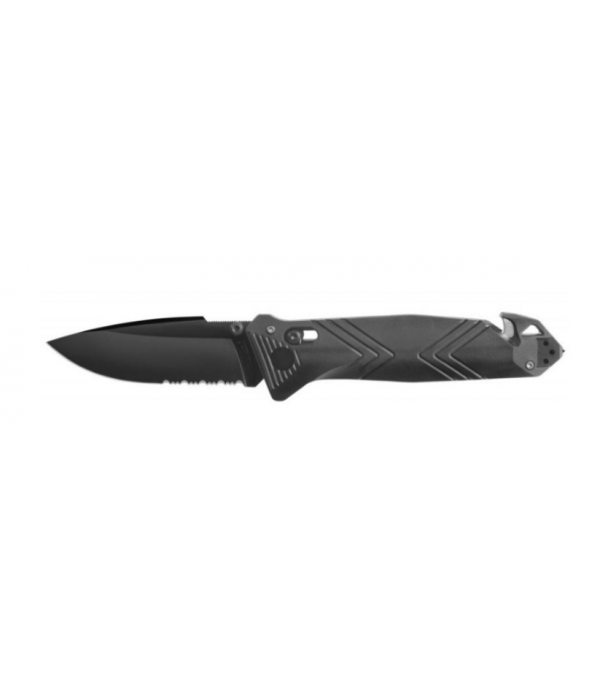
This Cac® serration PA6 pocket knife from TB Outdoor brand is a high-end folding knife crafted in France by Tarrerias-Bonjean fine cutlery. Supplier to the French Army for more than 5 generations, the leader in French cutlery manufactures its knives in Thiers, in Puy-de-Dôme. This CAC® serration PA6 pocket knife was created in collaboration with Philippe Perotti, former Special Forces and expert in handling firearms and bladed weapons and with the American leader Benchmade®. It is composed of a semi-serrated blade in Nitrox® steel, an Axis lock® locking mechanism and a PA6 FV handle consisting of two plates in polymer loaded with glass fibers. Practical, it has multiple features: seat belt cutter, glass breaker, corkscrew, reversible belt clip, ambidextrous opening with safety catch, etc. This knife is ideal for outdoor experts who already own several survival knives and want to acquire a high-end folding knife of French manufacture.
Would you like to have more choices? Don't hesitate to take a look at the knife category of our online store!