The best equipment for pros and enthusiasts alike








 Professions
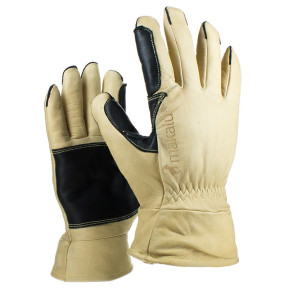
Protective gloves for green spaces are designed to protect the hands of gardeners and landscapers against the risk of cuts, gashes, scratches and scrapes. They can also protect against the threat of stings and bites from insects and other animals.

There are many types of protective gloves for green spaces, each designed to meet specific needs. Some gloves are made from resistant materials such as leather, nylon or Kevlar to provide maximum protection against cuts and scratches. Other gloves are more flexible and breathable, such as those made from cotton or polyester, manufactured from durable materials for increased dexterity and comfort.
It is crucial to keep gloves clean and dry to avoid any risk of infection or disease. We recommend cleaning them and replacing them regularly if they are worn or damaged.
It is necessary to wear gloves when doing gardening or for maintaining green spaces to:

Leather gloves are the most commonly used for cutting and shredding work. They are thick and flexible to help prevent cuts and scratches. Precision work such as cuttings, grafting, sowing and planting require more dexterity, which is why thin all-purpose gloves are suitable.
Choose waterproof disposable gloves or long-sleeved nitrile or latex gloves when working with toxic products or when working in wet conditions.
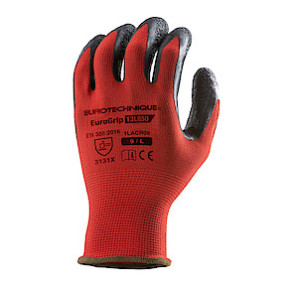
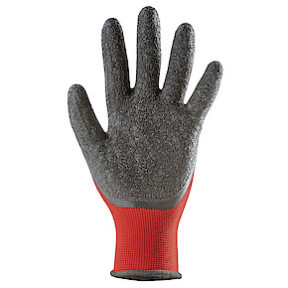
For gardening tasks such as weeding and repotting, multi-purpose gloves are sufficient. They are generally made of latex or polyurethane on the outside and polyamide or nylon on the inside to reduce perspiration. Inexpensive and, washable and long enough to protect your wrists, these are ideal gloves for this type of activity.
These special gloves cover just enough length to prevent plant scratches to the forearms. The most exposed areas such as the palms and fingers are protected by latex coatings. They have a certain level of waterproofing, enough to work longer and stay dry during planting seasons. The brand Portwest has a wide range of protective gloves for thorny plants such as PU-coated nylon gloves.
Leather gloves are reinforced, offering better protection and less sensitivity than rubber gloves, but they allow you to use many tools without suffering from blisters or splinters from wooden handles. The brand Coverguard has a wide range of leather protective gloves such as euroweld gloves.
The greatest advantage of rubber gloves is their thinness. Very delicate plants and very small flowers can be easily handled thanks to their great flexibility. Some of them are also suitable for chemical products. The brand Singer Safety has a wide range of rubber protective gloves such as chemical protection gloves.
It is important to choose protective gloves suited to the task to be accomplished. Gloves for cutting shrubs and hedges must be resistant, while gloves for working with light materials such as leaves and grass must be flexible and comfortable. You should choose gloves that fit perfectly to your hands so they don't fall off or slip during use. We offer on vetsecurite.com, a wide range of protective gloves for work and personal activities.