 The best equipment for pros and enthusiasts alike
-
 Professions
-
-
-
-
-
-
-
-
All Tops
![All Tops]()
-
-
-
All Bottoms
![All Bottoms]()
-
-
-
All Footwear
![All Footwear]()
-
-
-
All Bags
![All Bags]()
-
-
-
All Accessories
![All Accessories]()
-
-


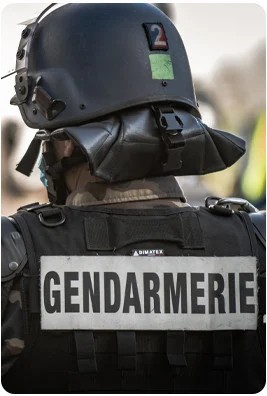
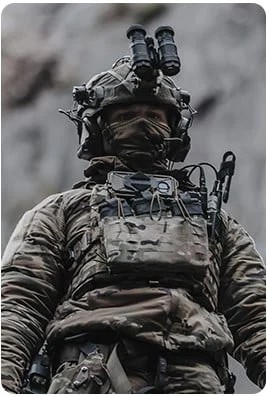






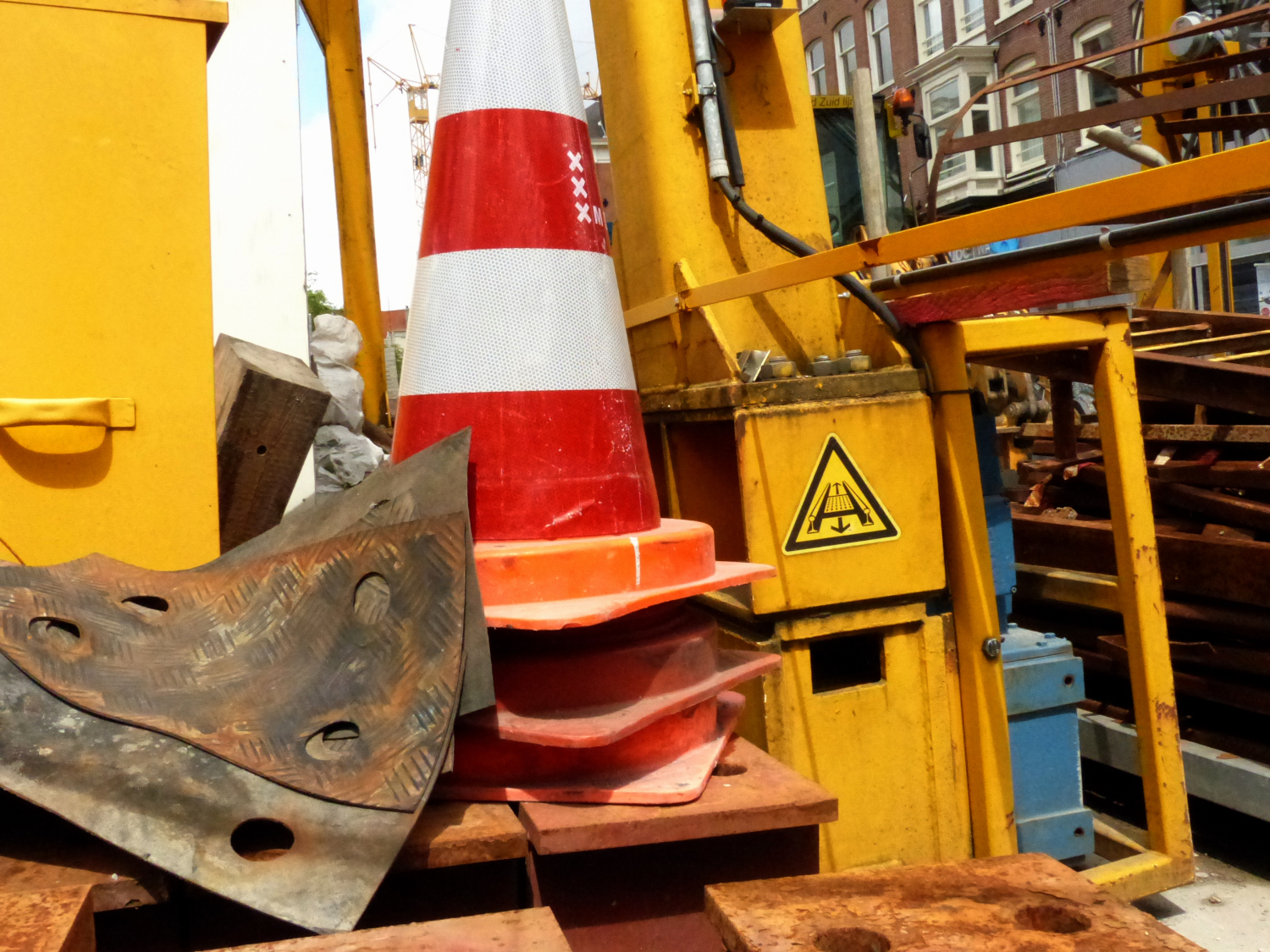
For construction activities on the construction site, it is essential to be equipped with perfectly adapted equipment. The various PPE available help ensure the protection of the worker in all their tasks. The purpose of this article is to review the main types of essential protective equipment for construction trades and construction.
Table of Contents:
Safety helmets
The helmet on a construction site is an indispensable tool for construction work. It is most often mandatory and must comply with certain standards to be able to protect the head of its wearer according to the needs of the trade.
Against injuries, the EN 397 standard is the most common and essential. It guarantees protection against blows and impacts. For lighter work, a bump cap may suffice, but on a construction site the helmet is required. Against fall risks, a helmet can display certification from the EN 12492 standard. Against electrical discharges, an insulating helmet meeting the EN 50365 standard is recommended.
Head and face protection
In addition to the helmet, it can be completed with equipment designed to offer additional specific protection. Such as visors from the EN 1731 standard or hearing protection from the EN 352-3 standard to be attached to helmets.
The various head and face protection are also available as independent accessories. These can be safety glasses of all types (standards EN 166, 169, 175 and others). You can also opt for hearing protection ranging from ear plugs to noise-canceling earmuffs.

Protective gloves
The main types of gloves for construction site work meet the EN 388 standard, for protection against mechanical risks. For certain other specific needs, you will need to rely on additional standards:
- The EN 1082 standard covers risks against cuts
- The EN 407 standard protects against heat or fire
- The EN 12477 standard is suitable for welding and metallurgy trades
- The EN 511 standard which will be suitable for work in cold weather
Work clothing
PPE does not only concern accessories, but also work clothing. On the construction site, one of the first assets is high-visibility clothing certified by the EN 20471 standard. Against cold or weather, it is important to insulate yourself with the comfort of clothing meeting, respectively, the EN 342 and EN 343 standards.
For work that requires performing tasks in a crouched position, being equipped with protective knee pads is essential. You must then use independent knee pads or place them in dedicated pockets on pants meeting the EN 14404 standard.
Safety shoes and boots
For construction sites, shoes or safety boots require maximum protection and grip on difficult floors. In this regard, the S3 class of the EN 20345 standard offers the most advantages. Shoes in this category benefit from a protective toe cap, resistance to punctures and water resistance WR or WRU (on the entire shoe or only the upper depending on the models). For increased grip, models meeting the slip standard SRC provide cleats capable of overcoming construction site terrain.

The risks associated with construction sites can be reduced by wearing safety equipment. It is necessary to protect workers, is required by law and is governed by various standards depending on the activities. The choice of construction site equipment must therefore be complete to fully protect the worker during their work.



-
![Over 200 brands At the best price]() Over 200 brands At the best price
Over 200 brands At the best price -
![Secure payment In 3 or 4 interest-free installments]() Secure payment In 3 or 4 interest-free installments
Secure payment In 3 or 4 interest-free installments -
![Delivery across Europe From €79 of purchase]() Delivery across Europe From €79 of purchase
Delivery across Europe From €79 of purchase -
![Customer service Monday to Friday]() Customer service Monday to Friday
Customer service Monday to Friday


