The best equipment for pros and enthusiasts alike






-50%
 Professions

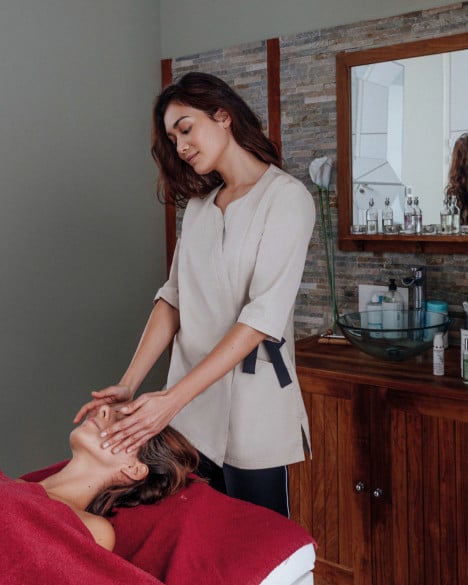
Non-conventional medicines can also be called alternative, parallel, holistic, natural or gentle medicines. This field encompasses a wide range of therapeutic practices that provide complementary or alternative care. These methods are often the subject of controversy regarding their effectiveness which is not fully recognized by conventional medicine. These practices however find numerous practitioners and clients in France. Here is a brief summary of these wellness professions and their place within French regulations.
Summary:
To classify these methods, the National Academy of Medicine in France recommends the use of the term complementary therapies. The Medical Council also uses the terms alternative and complementary medicines.
Many of these alternative medicines are rooted in the heritage of ancient traditional medicines. Another part comes from a boom between the end of the 18th century until the 19th century. This includes for example hypnosis, osteopathy or homeopathy.
Non-conventional medicines are still developing today with 20 to 50% of the populations of the European community using them according to countries. Nearly 4 out of 10 French people are followers. The term integrative medicine (traditional Chinese medicine, naturopathy, homeopathy, Ayurvedic medicine, osteopathy) allows to designate therapies that combine conventional medicine with proven effectiveness with alternative practices. This as support.
This sector brings together a very large number of practices and therapies. The WHO (World Health Organization) lists more than 400 distinct ones. It catalogs four major families in this regard:
Without aiming for an exhaustive listing, we can cite the most known and widespread alternative medicine specialties:
With these methods and the multiple others not mentioned, it is important to become aware of the regulations that govern these heterogeneous practices. This in order to exclude potential charlatans.
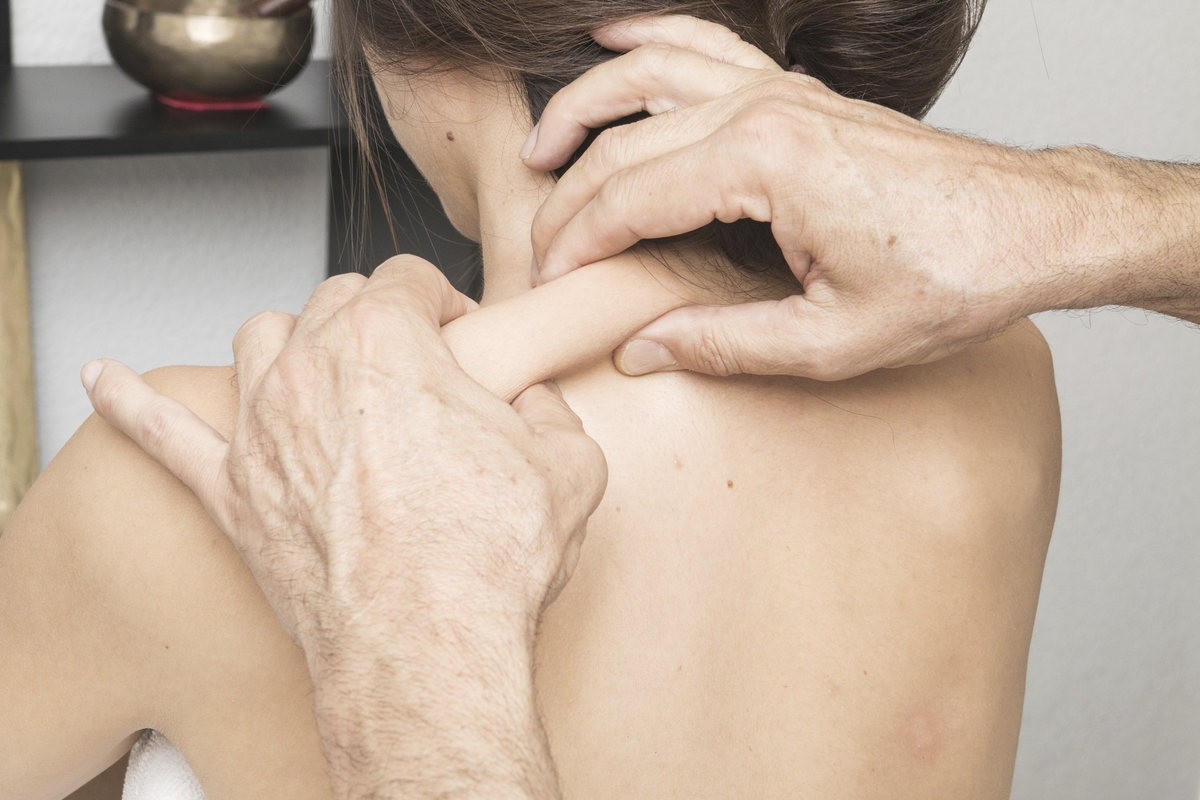
France recognizes acupuncture, homeopathy and osteopathy as legal medical practices. These recognitions of professional titles are not however synonymous with validations of these theories by the academy. These alternative medicines nevertheless find their place within hospitals. With care that is dispensed on site and in university hospitals.
Most of these therapeutic practices are practiced by general practitioners. However, they are not recognized by Social Security. Here is a summary of therapies as they can be practiced in France:
These regulations serve to ensure that these therapies are practiced by members of the medical profession. They must also be strictly reserved for the field of wellness and relaxation. They therefore do not replace care provided by conventional medicine.
The particular cases of herbalism and phytotherapy, due to the potential existence of dangerous components in medicinal plants, are highly regulated in France. Plant-based medications can only be dispensed in pharmaceutical dispensaries. With the possibility of leaving certain products in free access for clients.
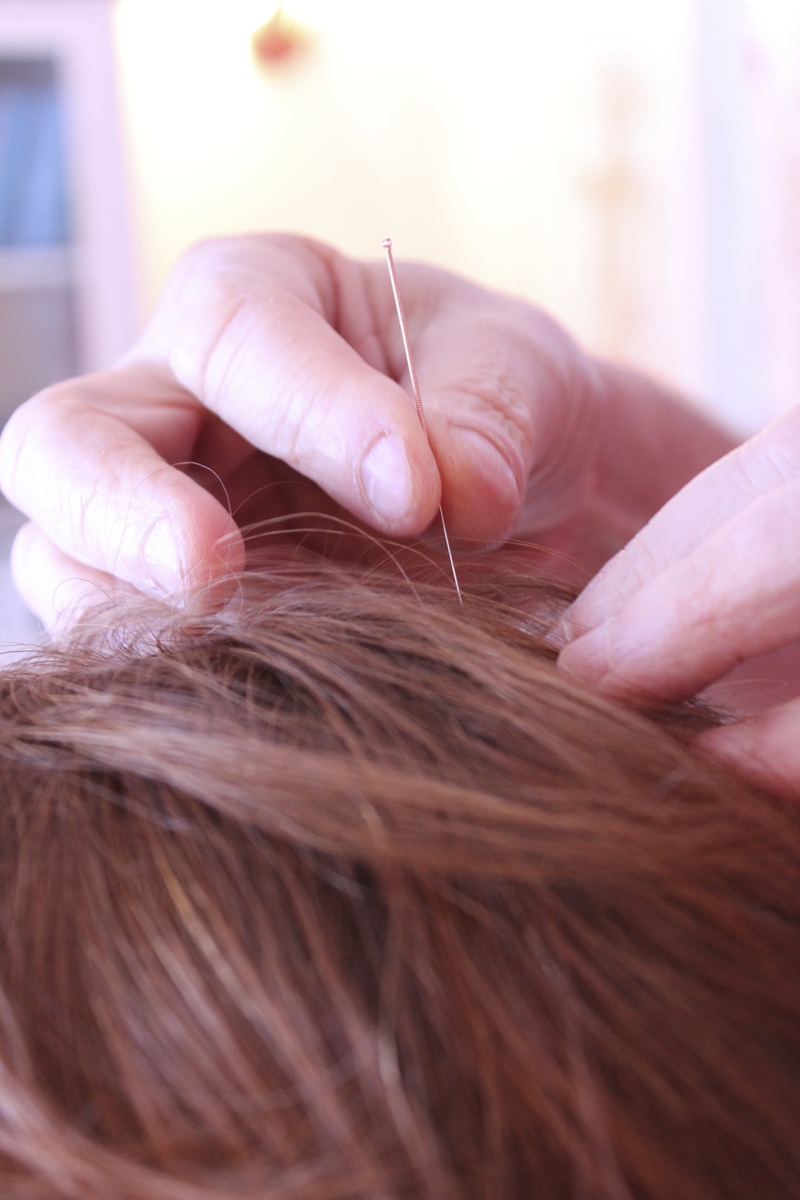
Alternative medicine encompasses as many branches as there are professions. Properly regulated and as a complement to conventional practices, it can provide certain benefits that soothe the clients who are still numerous today.