The best equipment for pros and enthusiasts alike










 Professions
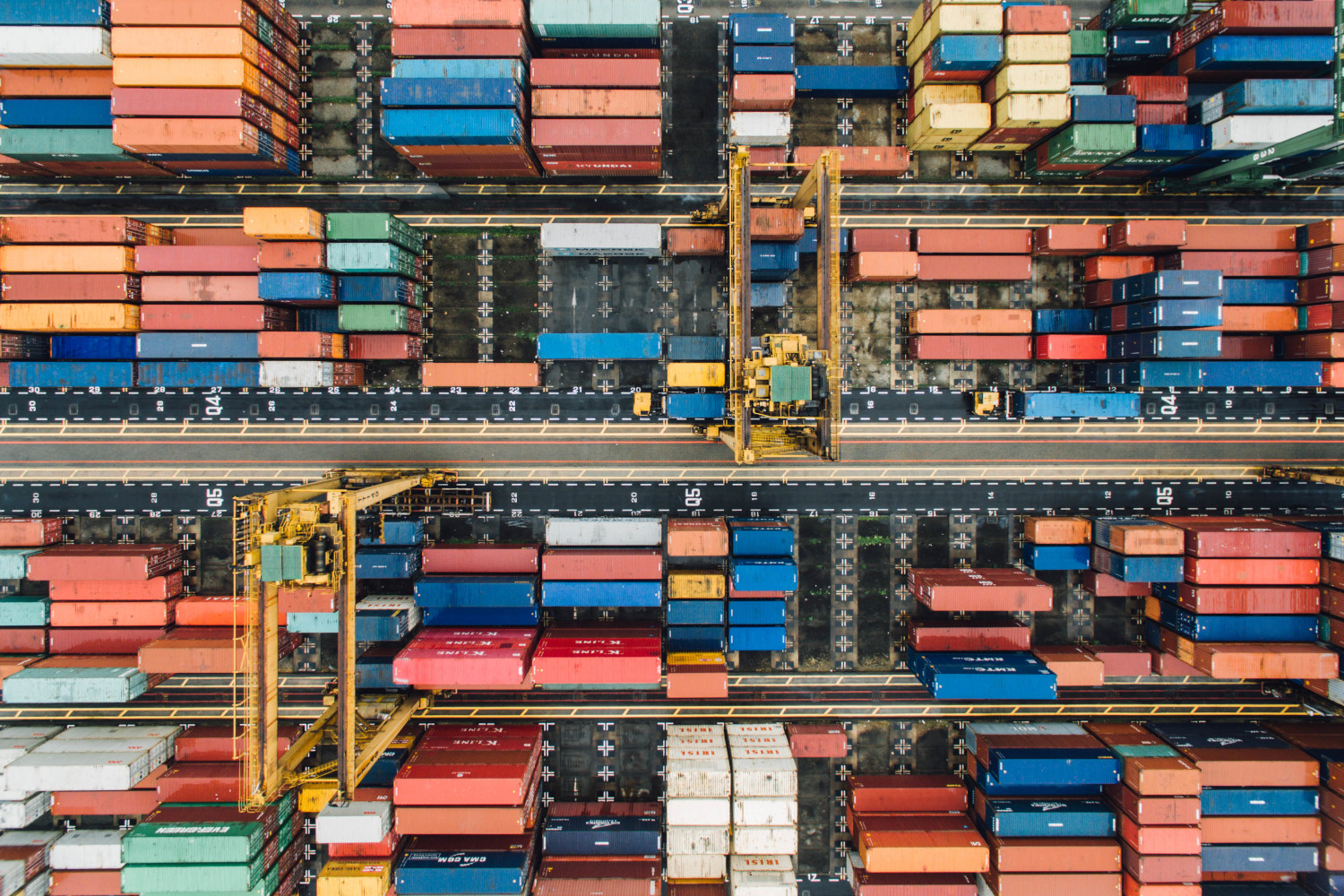
Freight transport or freight is a major activity of the international economy. Freight brokerage concerns a majority of trade activity sectors and deploys logistics crossing the roads, seas and airspaces of the entire globe. Through its different modes of transport and routing, we will be able to address the professions that ensure the perfect execution of goods exchanges.
Table of Contents:
Freight is first of all regulated by a commercial contract. The freight transport contract is a document adapted to the different modes of transport used. For road transport, this is the waybill (also known as delivery receipt or transport voucher). The aviation sector declares an air waybill (AWB). And finally, the maritime sector establishes a bill of lading.
These contracts stipulate what is being transported (types of goods, weight, volumes, quantities), the loading and unloading locations, the carrier's name and that of the freight forwarder. Other information such as hazard level, regulations and costs, as well as special delivery instructions are also indicated.
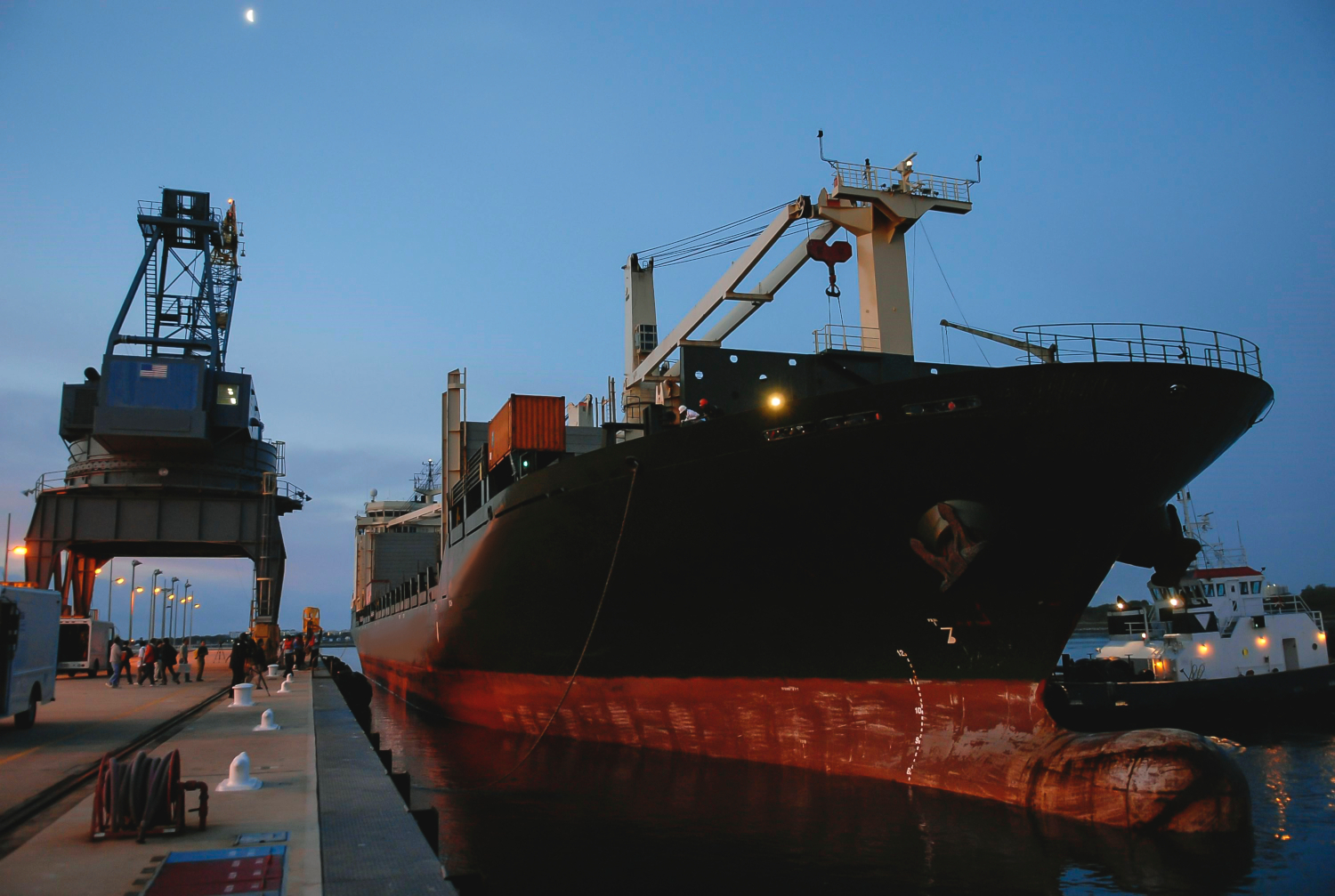
Freight transport is as old as trade itself, and has therefore evolved with the advances of the modern world. As already mentioned above, it can be divided into three main axes which are land routes (road or rail), maritime and air.
We also distinguish several types of transport :
This major sector of global trade encompasses a wide range of skills. Here are some actors participating directly or indirectly in freight transport. The main profession is the freight broker. They are the intermediary between carriers and clients who have goods to ship. They search for the best means of transport taking into account cost, time and the carrier's route schedule.
For road transport, the main professions are those of heavy-duty truck drivers and drivers of light vehicles. The aviation sector recruits, in addition to the crew of charter flights, operations personnel (runway, stopover, traffic management, freight) and maintenance technicians. The railway sector employs drivers and technicians responsible for maintenance or traffic regulation. Maritime transport includes merchant marine officers who ensure navigation, safety, and supervision of sailors and mechanics.
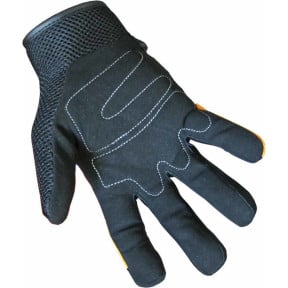
Logistics is attached to the freight brokerage stages both in the establishment of cargo and in the receipt of goods. Engineers or logistics directors coordinate all the professions in the supply chain: operators, order pickers, forklift operators, inventory managers and warehouse supervisors. These logistics and warehouse professions require secure work clothing . This includes safety shoes with protective toe caps, gloves for handling merchandise and work pants that may include protective knee pads.
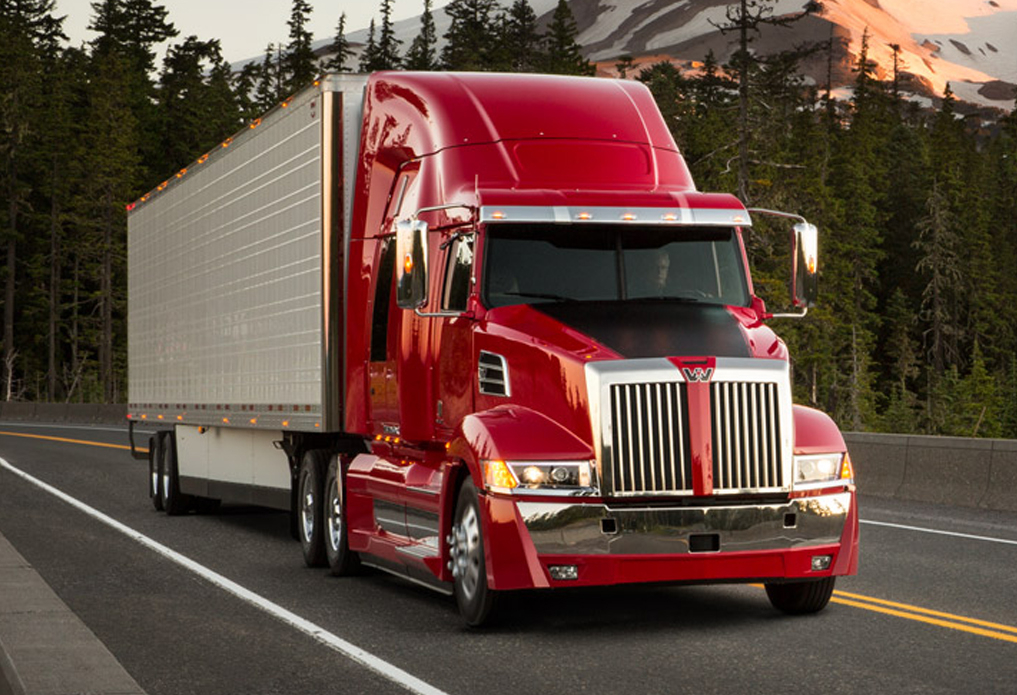
Freight brokerage is a collaborative effort of numerous professions in logistics and transport that ensures the smooth transit of goods and merchandise that make up modern commerce. A field that is therefore essential and indispensable to the industry.