The best equipment for pros and enthusiasts alike








-40%
 Professions
Personal protective equipment (PPE) are tools that protect an individual against a given risk during the practice of their professional activity. This type of equipment, which can be work clothing or an accessory, is distinguished from collective protective equipment (CPE). In this article, we will explore the main PPE families as well as their uses in the fields of construction, industry and any other profession that requires preventing incidents.
Summary:
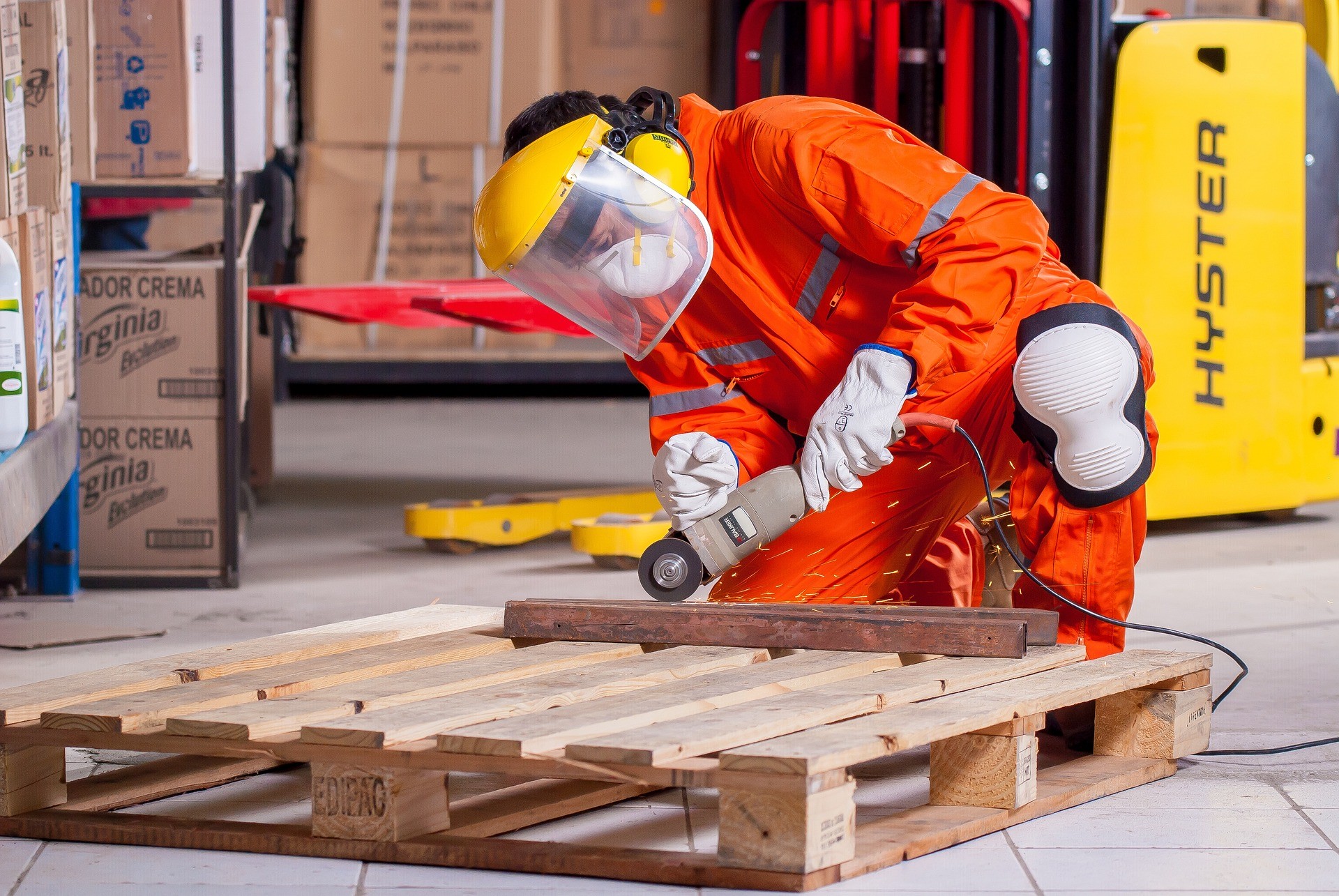
In the field of work, French legislation provides with the employer a Unique Document for the Evaluation of Professional Risks (DUERP). This allows to inventory all risks related to the activities of different employees. This charter then guides the employer who has the duty to eliminate or reduce as much as possible the risks encountered by workers. PPE helps provide part of this workplace safety.
The Labor Code recommends, when possible, priority to the use of collective protection over individual protections. It also defines the need to minimize constraints on the worker who should only be required to wear PPE when necessary for their work.
In this context, we establish nine general principles of prevention to follow in this order :
Avoid risks
Assess risks that cannot be avoided
Combat risks at the source
Adapt work to humans, particularly regarding the design of workstations as well as the choice of work equipment and work and production methods, with a view to limiting monotonous work and paced work and reducing their effects on health
Take into account the state of evolution of technology
Replace what is dangerous with what is not dangerous or with what is less dangerous
Plan prevention by integrating, in a coherent whole, technology, work organization, working conditions, social relations and the influence of environmental factors, particularly risks related to moral harassment and sexual harassment
Take collective protection measures by giving them priority over individual protection measures
Give appropriate instructions to workers
The financial burden of PPE, including cost, control and maintenance, is borne by employers and temporary agencies (for temporary workers). All employees must be trained in the use of PPE by employers. Protective equipment must comply with conformity standards established by mandatory CE marking and compliance with certain specific standards (European EN ISO standards).
PPE control is carried out periodically by qualified persons, by an approved organization or by the manufacturer. These tests take place during the lifetime of the PPE. Depending on the equipment controlled, the frequency, nature and content of mandatory periodic controls vary. The results and traceability are then documented.
On work areas, a panel illustrated with a pictogram must signal the mandatory wearing of designated PPE. These panels are round, circled in white, with a white logo on a blue background. The absence of a panel does not exempt from wearing PPE.
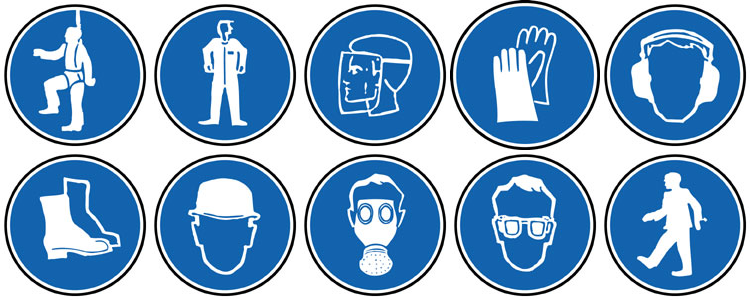
Personal protective equipment can be categorized into several families, according to the area of the body that must be protected. Suppliers and manufacturers agree on the catalog below.
- Head protection : This concerns various types of construction helmets or others, the bump caps and the multiple accessories associated. Head protection also includes tools for eye protection (safety glasses, over-glasses, masks), hearing protection (earplugs, noise-canceling headphones), face protection (face shields, visors) and respiratory protection (masks disposable or reusable filters, breathing apparatus)
- Hand protection : This encompasses all types of gloves or sleeves preventing chemical, thermal or mechanical risks that include cut-resistant gloves or impact gloves.
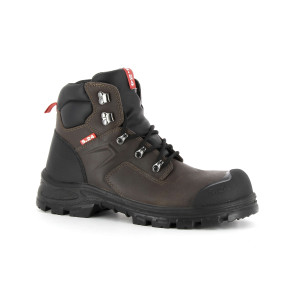
- Foot protection: Everything that governs work shoes (standard EN ISO 20347) and safety shoes (EN ISO 20345) that offer a protective toe cap for toes.
- Body protection: Category that brings together professional clothing that can fight against cold, heat, weather, chemical risks and also concerns high visibility clothing.
- Fall protection: All fall protection devices and accessories such as harnesses for working at height.
- Specific protections: These are the other types of PPE for specific needs such as protective knee pads with EN ISO 14404 standard.
In addition to these major PPE families, it is possible to find among them 3 categories governing the severity of risks encountered.
- Category I: Protects against superficial attacks (mechanical, physical or chemical). This includes minor impacts or vibrations that do not affect vital parts or that are not likely to cause irreversible damage. Protection against solar radiation is also concerned.
- Category II: Protects against serious attacks and impacts affecting vital parts or that can cause irreversible damage.
- Category III: Protects against mortal dangers.
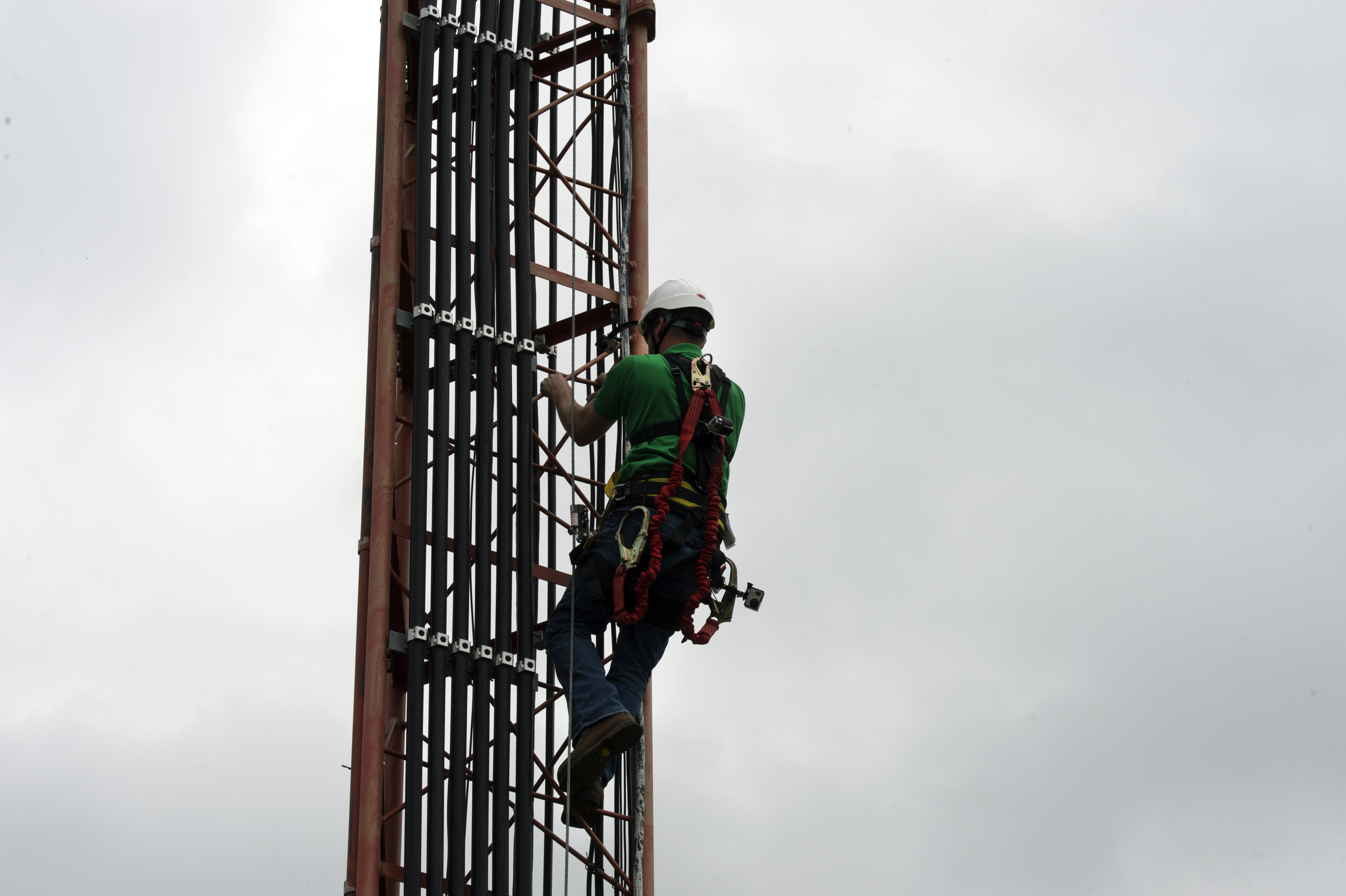
In addition to mandatory wearing and advised by the trained worker, it is necessary to respect a good code of conduct to maintain as much as possible a high level of security in the workplace. The appropriate PPE must be made available in sufficient quantity and cover all types of morphology. PPE choices must be frequently reevaluated based on risk changes if there is modification of the work perimeter (exercise with new machines or new materials).
Maintaining PPE in good condition of operation, cleanliness and hygiene is essential for their safe use. It is also necessary to ensure replacement or repair of PPE at the first signs of deterioration, malfunction or wear. In case of exposure to chemical or biological risks, usage precautions for undressing and decontamination must be applied. Obsolete, expired or irreparable PPE must be destroyed without being discarded. User manuals and maintenance manuals for equipment must systematically be made available. Storage must be executed under the required conditions detailed by the manufacturer.
Finally, it is important to regularly renew the training related to the use of PPE and to periodically share on the workplace the best practices stated so far.
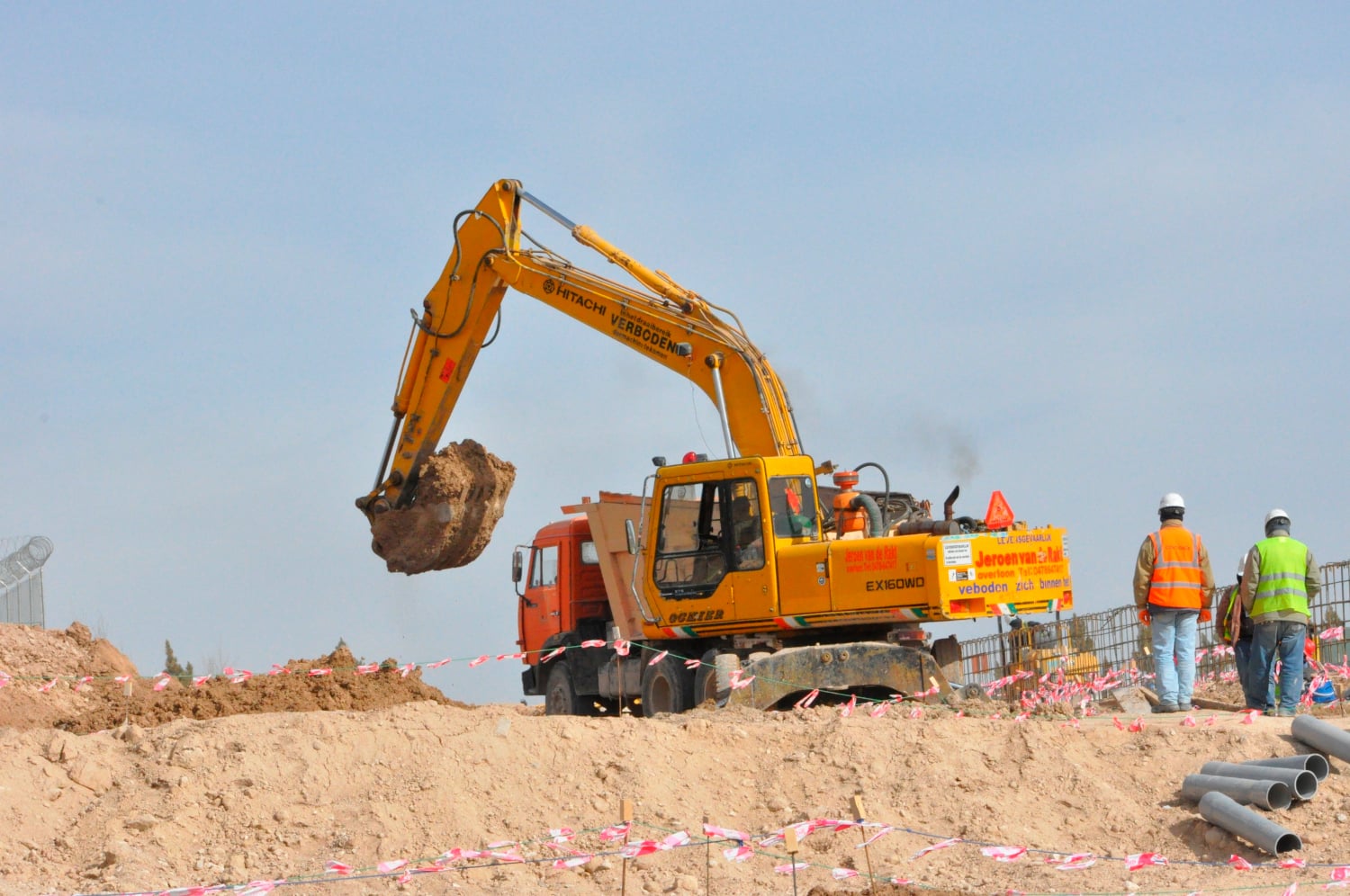
The vast range of personal protective equipment is, as we have just seen, as regulated as it is essential for maintaining a work environment that limits risks to the maximum. From construction helmets for the building sector to safety shoes, including protective suits for the food industry or chemical sectors, the choice of appropriate PPE for each profession will always be guided by the different standards to consult on the relevant articles.