The best equipment for pros and enthusiasts alike





 Professions
Despite the expertise of brands specialized in designing safety shoes, many professionals are affected, at one time or another, by foot pain issues. This translates into discomfort that can quickly turn into temporary or long-lasting suffering that can sometimes become disabling. To help you uncover the causes of these ailments and especially understand how to resolve them, we will detail here the best practices to adopt when wearing safety shoes. This article is based on the report delivered by JLF Pro, as part of research conducted around foot protection in professional environments. We thus hope to draw your attention to the importance of preventing foot pain at work.
Summary:

If the foot is the basis of our locomotion, it is because it has a direct impact on the proper functioning of our entire body. In other words, a simple foot pain can have direct repercussions on our joints and cause for example musculoskeletal disorders (MSDs) in the back or limbs. Our muscles, our tendons, our nerves and our ligaments are then directly affected. In the context of a professional activity involving the daily wearing of safety shoes, the risks of pain are multiplied. No less than 10% of reported disabling injuries are due to sprains, perforations, crushings or lacerations, while 15% are caused by slips or falls. The rest of professional foot injuries result in calluses, ingrown toenails, or even plantar fasciitis (pain from the heel to the base of the toes). Directly implicated are: the imposed position at the workplace, trampling, excess weight, difficult conditions or simply unsuitable shoes. It must also be kept in mind that a safety shoe can only be effective by also taking into account the insoles and socks that accompany it.
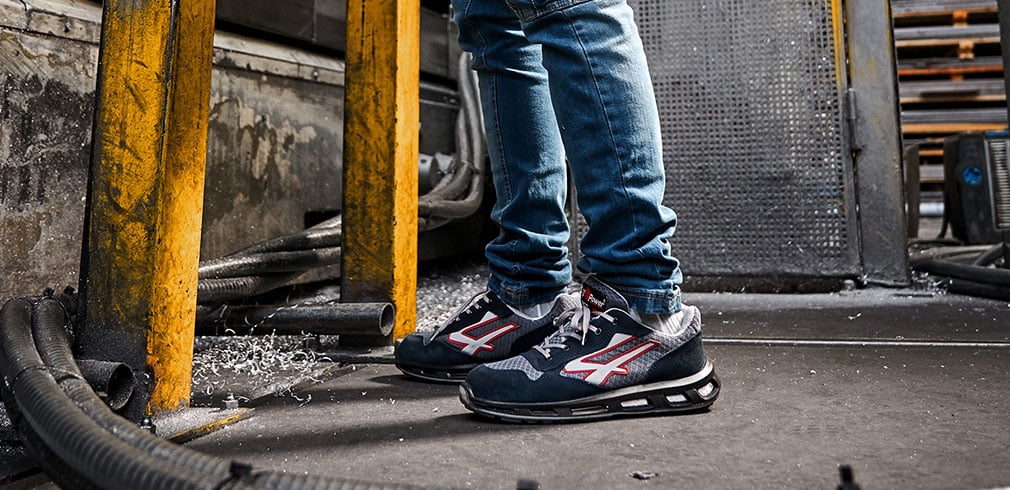
Trapped inside the shoe, the foot no longer has the possibility to breathe or free itself from the position in which it is constrained. This can lead to the appearance of fungal infections or blisters which then become difficult to get rid of. Simple discomfort can occur when one forgets to take into account one of the following elements: the morphology of the foot, the posture adopted at work, the nature of the environment, and especially the bad practices of users. The JLF Pro study reveals that 80% of professionals wear shoes that are too big. It emphasizes the importance of proper lacing and good foot support. Other causes can appear when the shoe does not have an adequate level of protection against cold or when it does not properly dissipate humidity. A foot that sweats can more easily be subject to the appearance of fungal infections which present as redness on the toes that is sometimes painful.
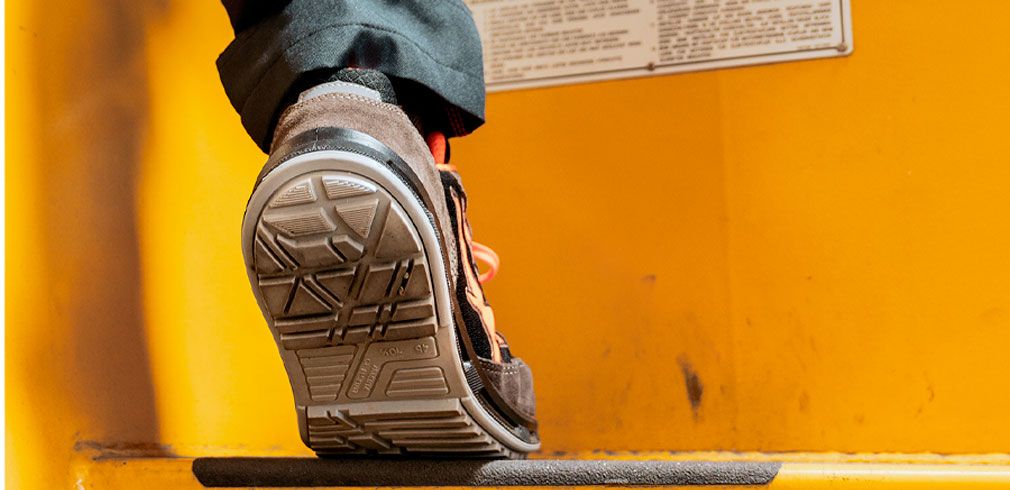
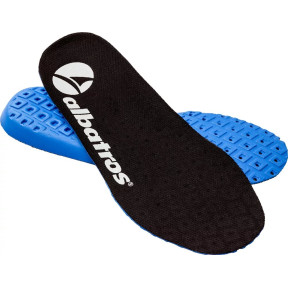
While the reflex of most professionals affected by foot pain is to rush to a new pair of safety shoes, it is enough to properly choose your combination of socks and insoles. These are what you need to think about renewing throughout the seasons depending on whether your foot needs to breathe or be kept warm. Even if these accessories are not considered as PPE, their importance is too often neglected when it is paramount.
When temperatures drop, favor wool socks over cotton socks which have the disadvantage of absorbing humidity, which accentuates the feeling of cold. By equipping yourself with wool and terry socks, you will benefit from a natural thermal insulator that is hydrophobic, with quick drying. There are also wool insoles with aluminized film for an increased feeling of warmth. Enough to keep away any risk of frostbite, even if you work in low-temperature environments where simple lined boots are not sufficient.
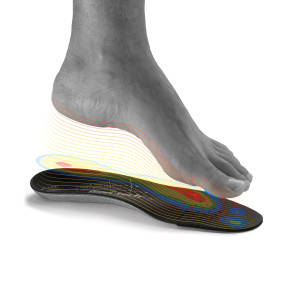
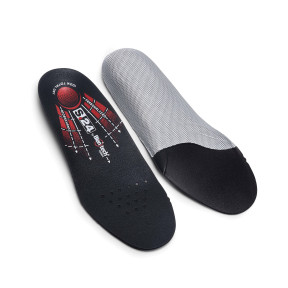
If your foot pain is directly related to your work position, for example prolonged standing or trampling, this can have repercussions on your entire body and cause back problems in particular. Too many movements will also cause pain, or even musculoskeletal disorders (MSDs) which are the main cause of work stoppages. You can remedy this by adopting anatomical insoles ensuring foot support and arch support, while absorbing shocks and vibrations. By combining anatomical and breathable insoles with Coolmax-based socks that reduce humidity, you will limit the risks of foot overheating and the growth of bacteria responsible for fungal infections. A disinfectant deodorizing spray is also recommended to avoid this kind of inconvenience that can cause itching.
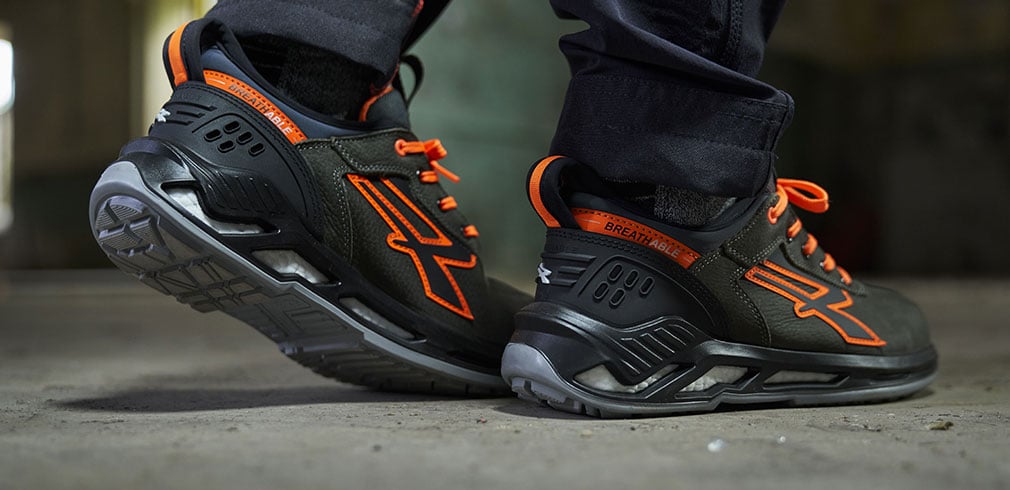
Finally, wearing shoes that are too big and improper lacing are enough to cause foot pain related to a lack of stability, or even tendinitis. To ensure that your heel does not lift off and that your foot does not slide forward, it is recommended to use a foot gauge to regularly check your shoe size. Leave a margin of 5 to 10 mm and opt for the larger size if you find yourself between two. You should always be able to pass a finger behind the Achilles tendon. Similarly, lacing that is too tight or too loose can cause multiple inconveniences: blood circulation problems due to foot compression, blisters, tendon inflammation, cramps, sprains, etc. To properly lace your shoes, check that your heel is well fitted against the heel counter and tighten the laces starting from the toe, eyelet by eyelet, without compressing the foot. It is recommended to renew the lacing every two or three hours if your position requires you to move around a lot, especially in case of sudden temperature changes, as this affects the volume of your foot.