The best equipment for pros and enthusiasts alike







-65%
 Professions
Insecurity has become increasingly present in recent years, which is why means such as video surveillance and remote monitoring have been developed to guarantee the security of property and people.
These two terms may seem very similar, which is why we will tell you more about them in order to choose the equipment that suits you best.
Table of Contents:
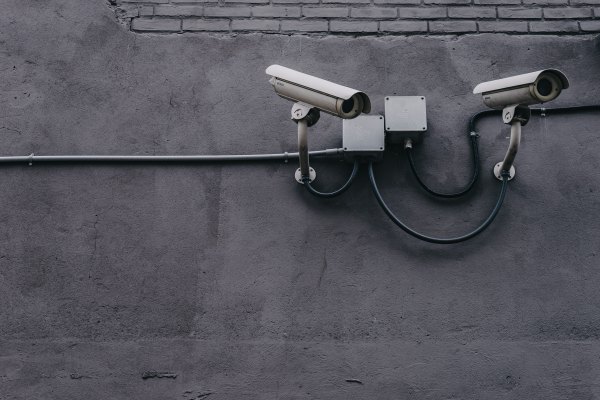
Video surveillance consists of filming a public or private space. These recordings can be made continuously or according to defined schedules based on your needs.
This system allows you to view the images locally or remotely. These images are also recorded to allow you to identify a suspicious person or view a license plate even after some time. Recording is necessary when cameras are used without human surveillance.
The consultation of these captured images is furthermore restricted to duly authorized persons. The company must define a maximum retention period for images from its cameras.
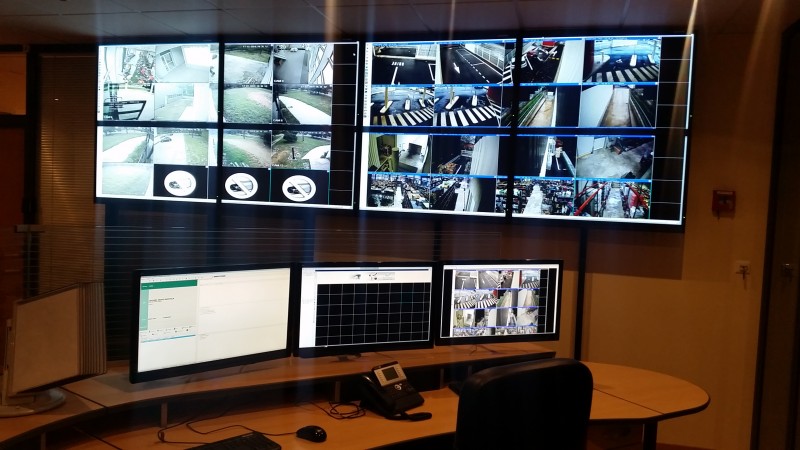
Remote monitoring aims to detect abnormal movements as well as numerous incidents, all controlled remotely by specialized agencies. When an anomaly is declared, a series of photos is recorded and an alert signal is sent to the remote monitoring center. After analyzing the images, the agency will contact law enforcement if necessary.
The advantage of this system is that it does not require continuous surveillance on your part since everything is automated and controlled by the agency in charge of your remote monitoring.
An employer cannot install cameras in their premises without defining a specific objective, which must be legal and legitimate. Cameras can be installed in the workplace for security purposes for property and people. They can have a deterrent role or allow identification of perpetrators of theft, damage, or assault.
Video surveillance must be limited to entrances, building exits, emergency exits, circulation areas, or areas where merchandise or valuable goods are stored. In the case of jewelry stores or banks, cameras are necessary to protect against vandalism and burglaries that generally occur at night or during weekends, when staff are not on site.
In order to meet all obligations, the employer must have the agreement of the Prefect and the Video Protection Commission before installing cameras. Furthermore, they must indicate the presence of these to employees and visitors using signage.
In the workplace as elsewhere, employees have the right to respect for their private lives, in these terms, cameras must not film break areas or toilets.
Employees who consider themselves victims of abusive surveillance have the possibility to turn to the CNIL or labor inspection services to file a complaint and request an inspection.
Each of them has advantages and disadvantages that can be filled by using them together.