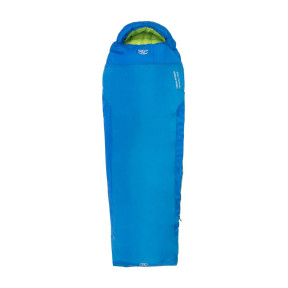
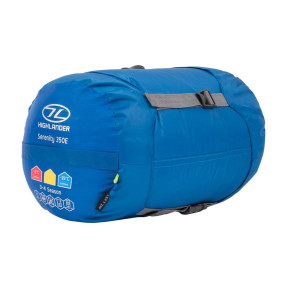
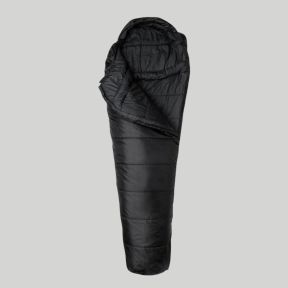
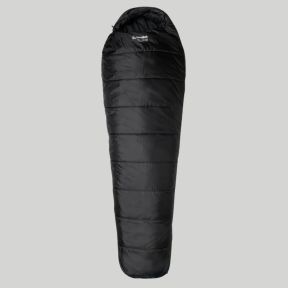
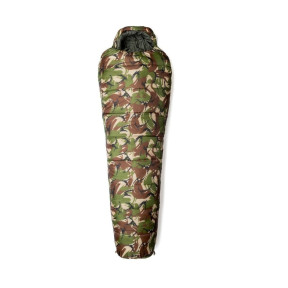
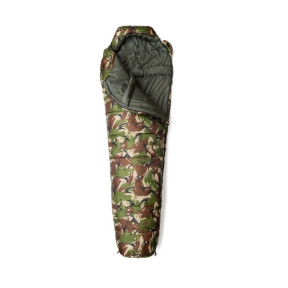
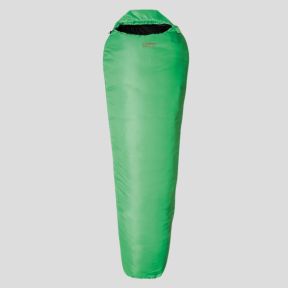
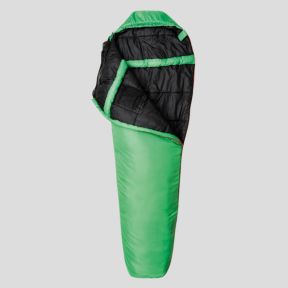
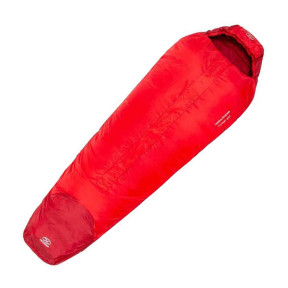
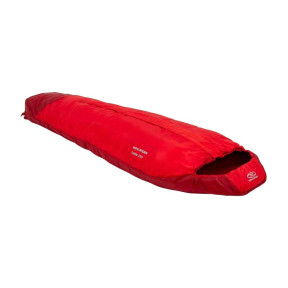
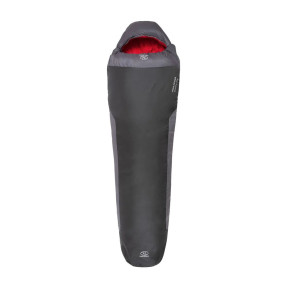
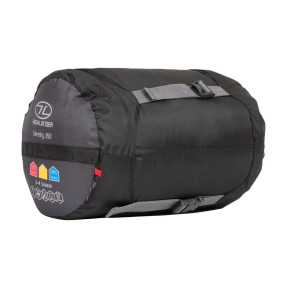
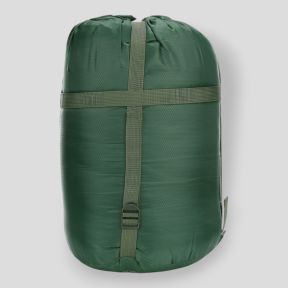
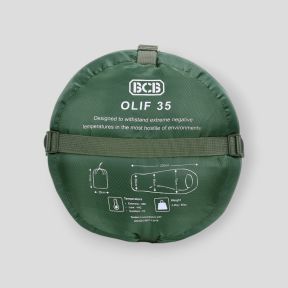
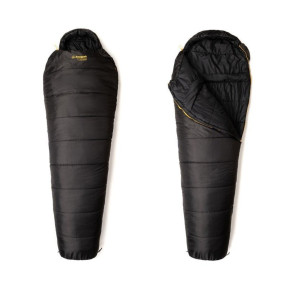
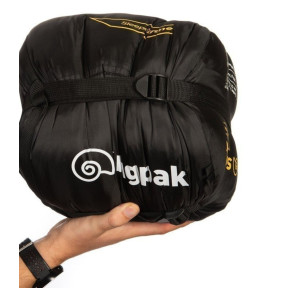
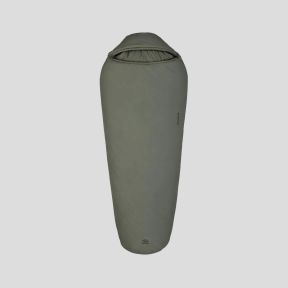
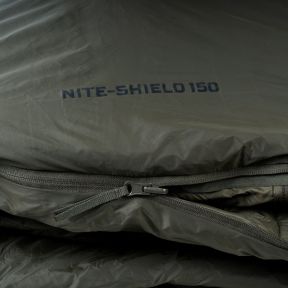
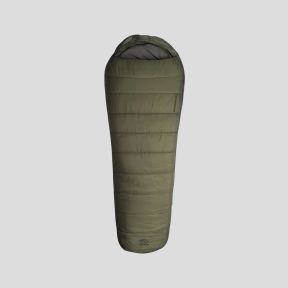
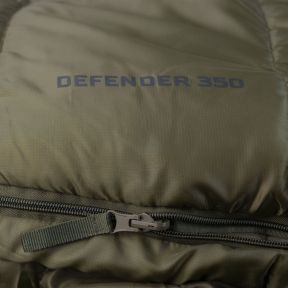
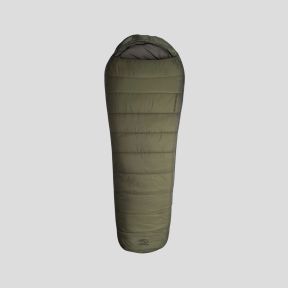
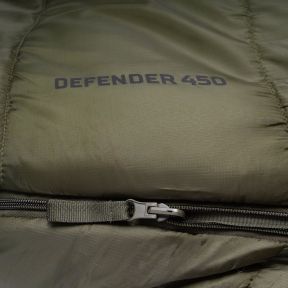
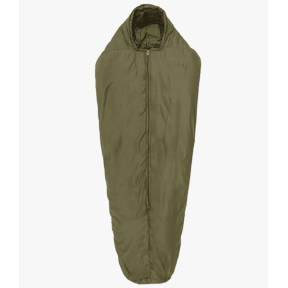
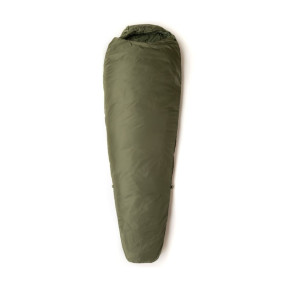
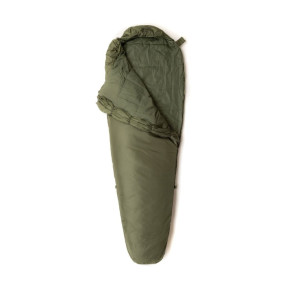
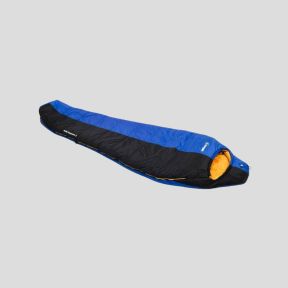
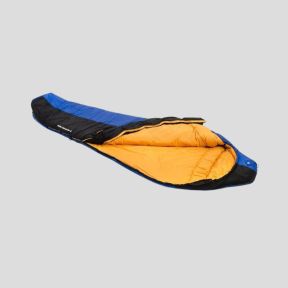
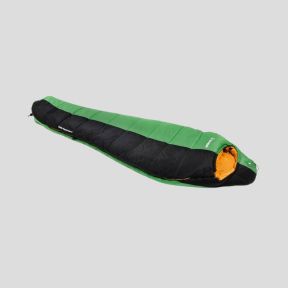
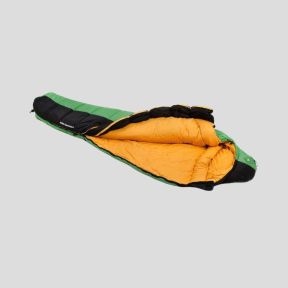
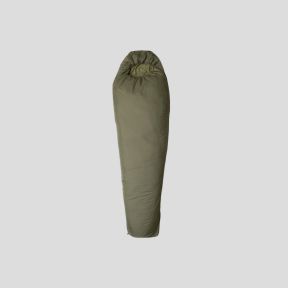
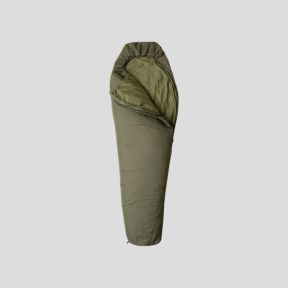
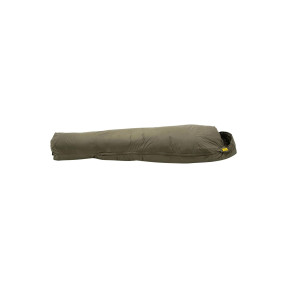
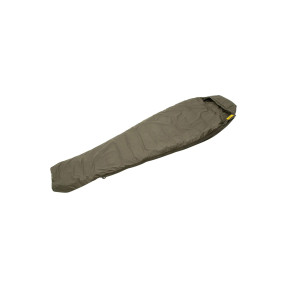
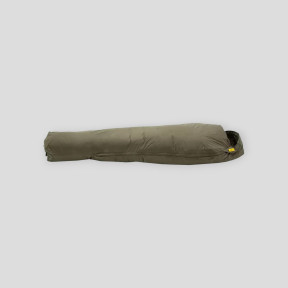
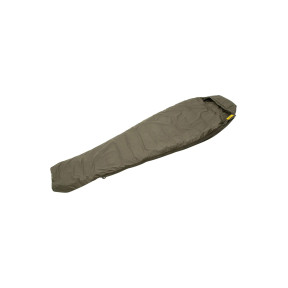
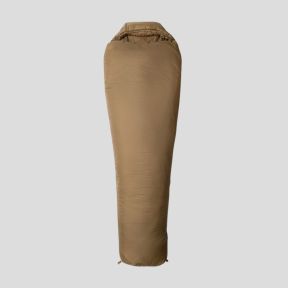
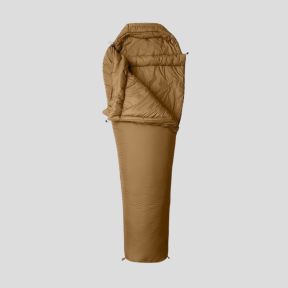
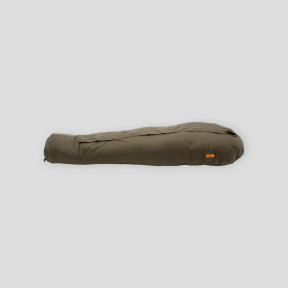
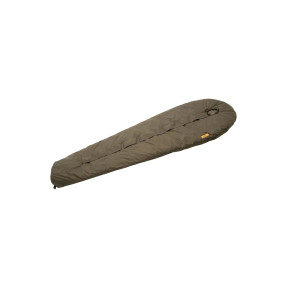
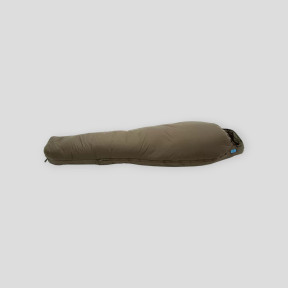
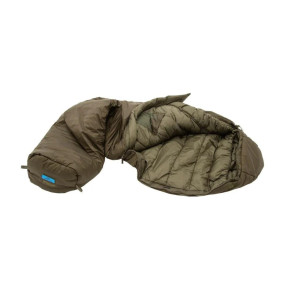
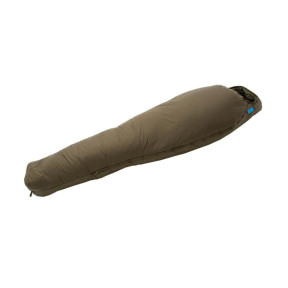
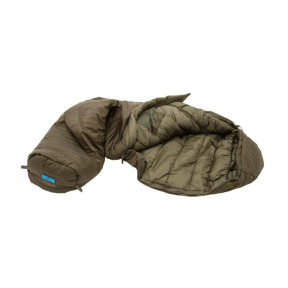
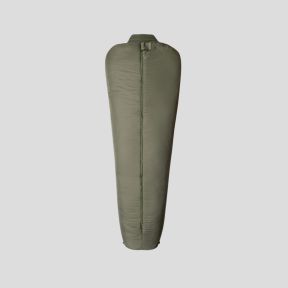
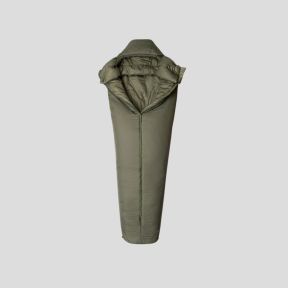
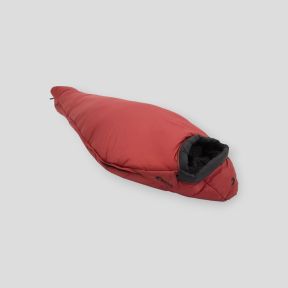
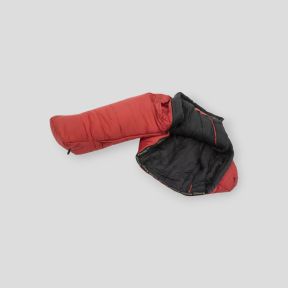
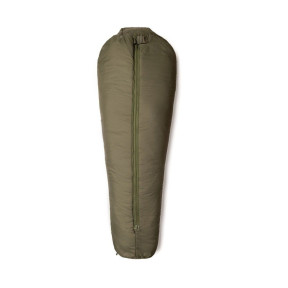
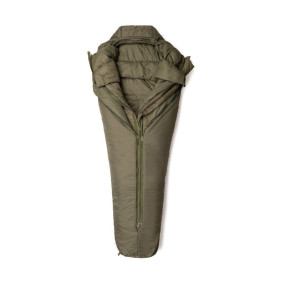
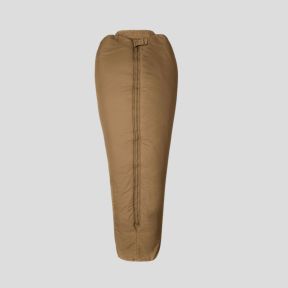
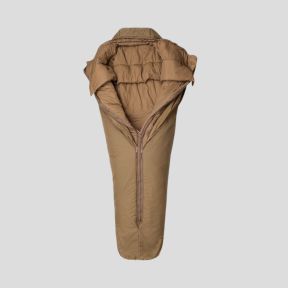
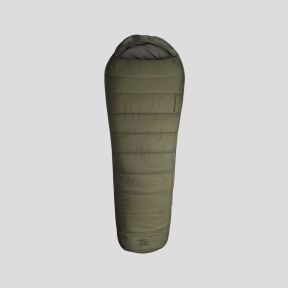
Vetsecurite.com offers you a wide range of sleeping bags, from the Ares sleeping bag for warm climates to the Ares sleeping bag providing comfort down to -20°C, you will definitely find the one you need.
They are available in several colors.
Free delivery from €39.99.
Complete Guide to Sleeping Bags for Bivouac
The sleeping bag is essential equipment for any bivouac enthusiast. Whether you're an experienced hiker or an occasional camper, a good sleeping bag ensures a comfortable and restful night outdoors. We will explore the different types of sleeping bags, their features, and how to choose the one that best suits your bivouac adventures.
What is a Sleeping Bag?
A sleeping bag is an insulated bag designed to provide warmth and comfort while sleeping outdoors. It is typically made of synthetic materials or down, offering effective insulation against the cold.
Types of Sleeping Bags
-
Mummy Sleeping Bags
- Description: Fitted shape, narrower at the feet and wider at the shoulders.
- Advantages: Excellent heat retention thanks to its ergonomic shape.
- Ideal For: Cold nights and extreme conditions.
-
Rectangular Sleeping Bags
- Description: Rectangular shape offering more room to move.
- Advantages: Comfort and versatility, can be opened to serve as a blanket.
- Ideal For: Summer camping and milder climates.
-
Semi-Rectangular (or Barrel) Sleeping Bags
- Description: Combination of mummy and rectangular shapes.
- Advantages: Good compromise between comfort and warmth.
- Ideal For: Campers looking for a balance between warmth and space.
How to Choose a Sleeping Bag for Bivouac?
-
Comfort Temperature
- Check the comfort temperature indicated by the manufacturer to ensure the bag is suitable for the expected weather conditions.
- Tip: Choose a sleeping bag with a comfort temperature slightly lower than the expected minimum temperature.
-
Insulation Materials
- Down: Excellent insulation and lightness, but can be expensive and less effective in wet conditions.
- Synthetic: More affordable and effective in wet conditions, but generally heavier and bulkier.
-
Weight and Bulk
- For bivouac, opt for a lightweight and compressible sleeping bag to facilitate transport.
- Tip: Down sleeping bags are often more compact than synthetic ones.
-
Shape and Size
- Ensure the shape and size of the bag suit your body type and comfort preferences.
-
Additional Features
- Adjustable hood, draft collar, internal pockets, and two-way zippers can enhance your comfort and bivouac experience.
Sleeping Bag Maintenance and Storage
-
Cleaning
- Follow the manufacturer's instructions for washing. Hand washing or machine washing with specific products is often recommended.
-
Drying
- Dry your sleeping bag in the open air or in a dryer on low heat with dryer balls to maintain loft.
-
Storage
- Store your sleeping bag in a loose storage bag (uncompressed) to preserve its insulation and durability.
 The best equipment for pros and enthusiasts alike


 Professions