The best equipment for pros and enthusiasts alike

 Professions
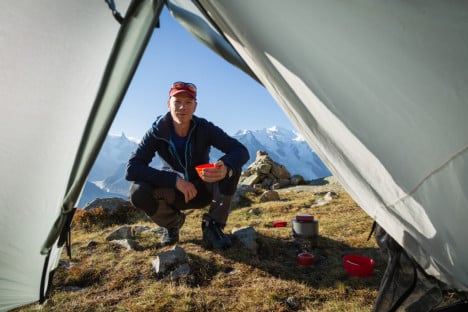
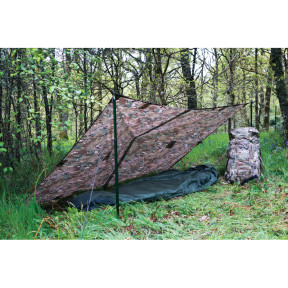
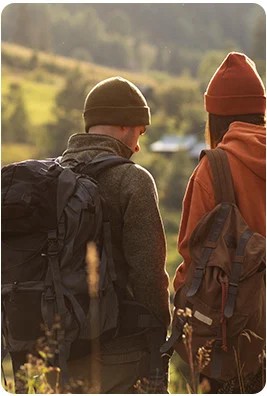
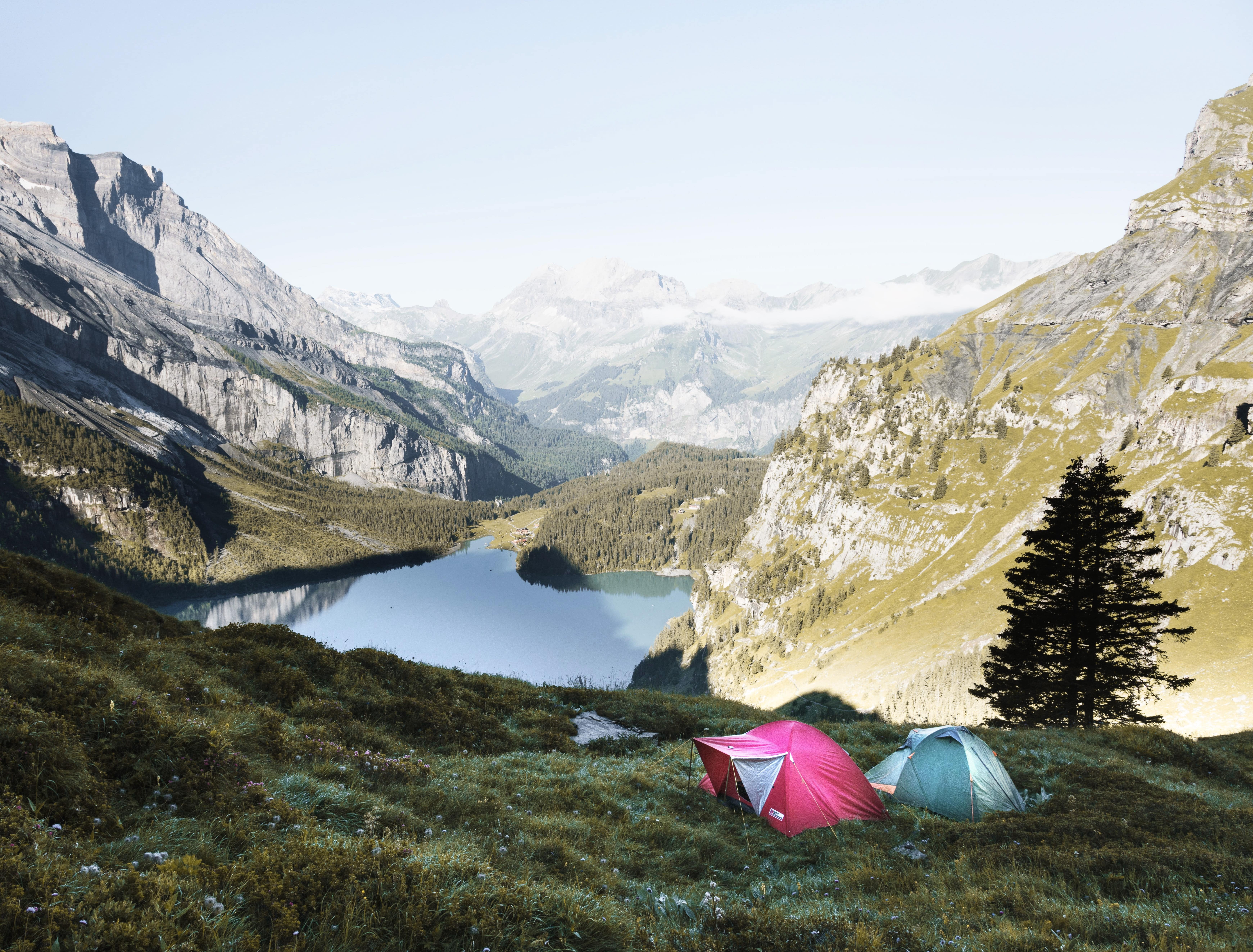
Bivouacking is defined as a temporary camp allowing you to spend one or more nights in the open air, often in a wild environment, in the forest or in parks that authorize this practice.
Bivouacking is also linked with sports activities such as long and winding trekking walks for the more athletic or more simply hiking. It also touches the military field during expeditions for example.
Given the epidemic crisis in which the world finds itself at the moment, it is strongly advised not to cross national borders to limit any risk of contamination. Therefore, bivouacking is THE SOLUTION with an excellent quality/price ratio for sporty and relaxing vacations in the great outdoors.
It is important to be well prepared and adopt the right equipment to deploy your camp quickly after your long day of hiking.
Summary:
In France, regulations do not make a precise distinction between wild camping and bivouacking. Furthermore, these practices are authorized everywhere they are not prohibited.
There are nevertheless numerous restrictions regarding where it is impossible to set up your tent:
Forests and parks classified as nature reserves.
Roads, paths and seashores.
Less than 200 meters from access to clean water
Less than 500 meters from a historic monument
On paths and private land
On all sites classified in heritage protection zones for nature.
Indeed these numerous restrictions therefore limit the practice of wild camping. But if these prohibitions are present, remember that they are there to protect the surrounding nature.
Nevertheless, bivouacking is often tolerated, particularly in French national and regional parks.
To find an ideal and authorized location to set up your bivouac, the simplest approach is to contact the relevant town hall to know the exact legislation. Additionally, some refuges sometimes provide dedicated locations nearby. For the rest, inquire in advance about the regulations of the park where you are located.
Furthermore, you can always make a request to private landowners to set up at their place for the night. This is a practice that has been expanding for several years thanks to the platform Home camper which connects hosts and travelers.
As stated previously, numerous restrictions are present if you wish to practice bivouacking or wild camping, particularly to protect the places that surround us. Furthermore, the various French national parks have exceptions for bivouacking practice. So that you can see things more clearly, here are the different restrictions according to different locations:
The Pyrenees National Park, the Mercantour National Park and the Guadeloupe National Park authorize bivouacking between 7 PM and 9 AM at least one hour's walk from road access. Furthermore, wild camping and fires are not authorized.
The Vanoise National Park, the Écrins National Park, the Réunion National Park as well as the Cévennes National Park also offer the same possibilities under the same conditions, however bivouacking must take place in the immediate vicinity of a refuge.
Regarding the Port-Cros National Park, the Calanques National Park and the French Guiana National Park, the practice of bivouacking and wild camping is strictly prohibited.
Moreover, France also has a total of 53 regional parks which are also subject to very specific regulations for bivouacking and wild camping. You can find the interactive map listing these numerous French parks.
Just like for national parks, the regulations of regional parks may evolve, which is why we advise you to become familiar with all the rules in force before beginning your journey.
Finally, always think about the surrounding nature, act in the best way to leave your bivouac site as clean, or even cleaner, than when you set up there.
Now, what are you waiting for to go bivouacking?
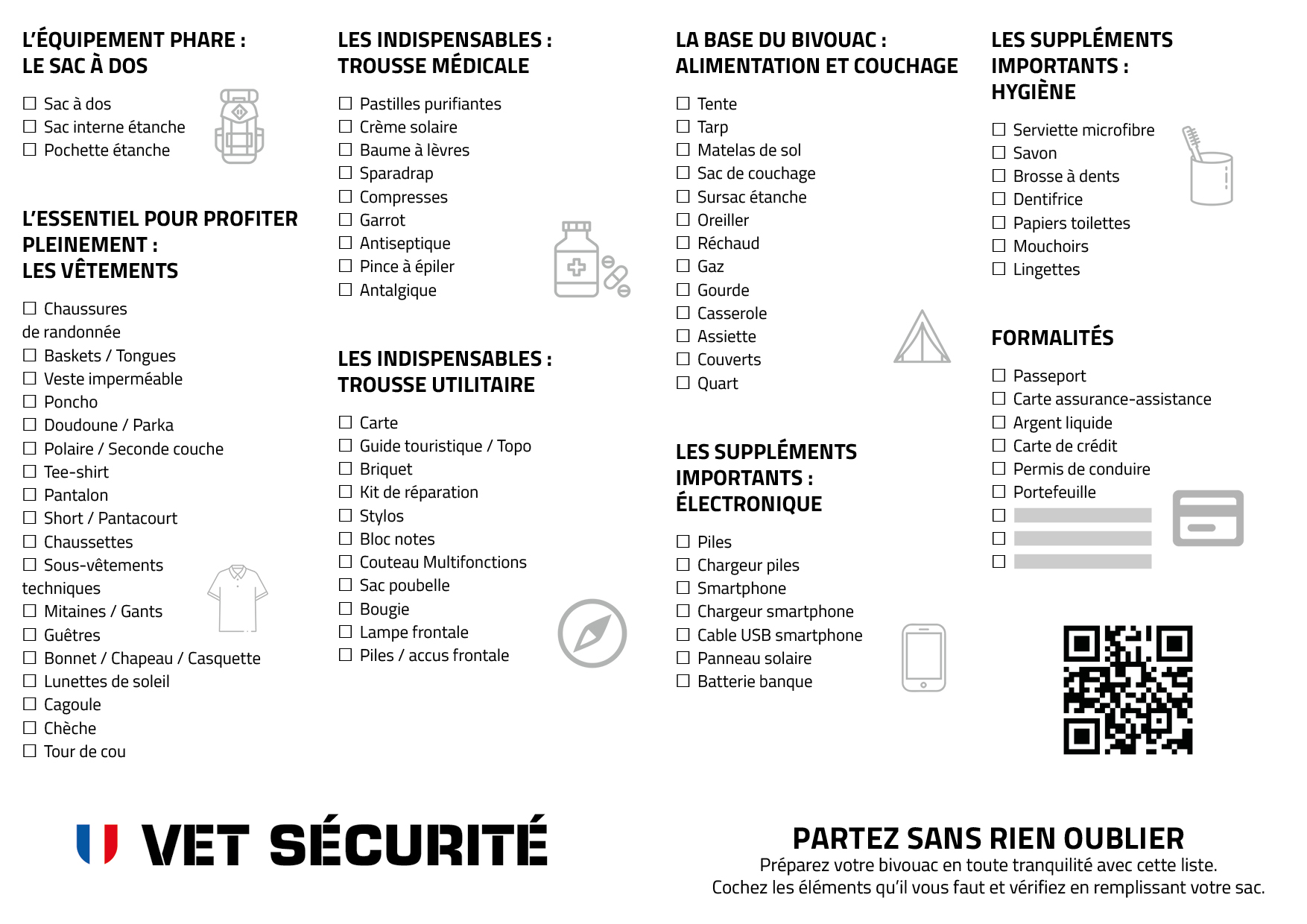
You can also find our blog article on "The essentials for going on a Bivouac" which includes a checklist specially designed for you!