The best equipment for pros and enthusiasts alike




 Professions
In the field, the difference between an effective intervention and a critical loss of time often comes down to one detail: knowing exactly where each piece of equipment is. A poorly designed intervention bag means piled-up gear, straps that hinder movement, and precious seconds lost rummaging at the wrong moment. Conversely, a well-organized tactical bag turns every action into a reflex.
Whether you are preparing a 24h bag, a 48h bag or a 72h bag, organization cannot be improvised. Here is how to structure your kit like a professional.
The tactical bag volume is the first parameter to define, as it determines all the organization that follows. A bag that is too large encourages carrying unnecessary items that add weight for no reason; a bag that is too small forces dangerous compromises on essential equipment.
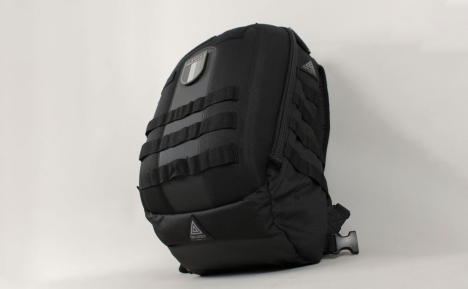
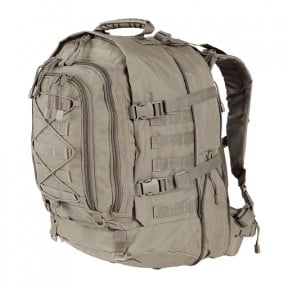
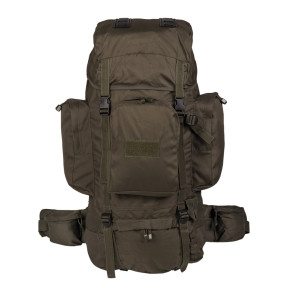
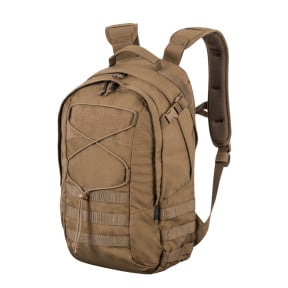
The 24h bag, designed as an assault bag, should prioritize compactness and instant access: water, first aid kit, magazines, means of communication. The 48h bag, often used as a patrol bag, allows for an extra clothing layer and additional rations. The 72h bag integrates a full sleeping setup and a water and food supply for three days of operation.
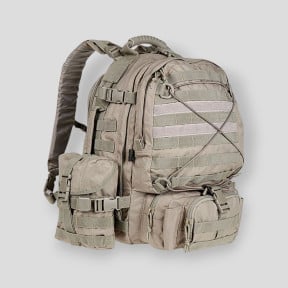
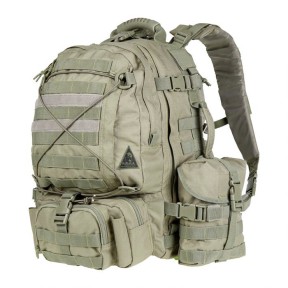
The capacity in liters is only a rough indication: it must always be considered alongside the number of compartments available and the possibility of adding external MOLLE pouches to multiply access points without increasing the main volume.
Good military bag organization is based on a simple principle: the equipment used first must be reached first, without having to unpack the rest.
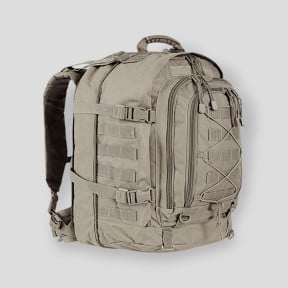
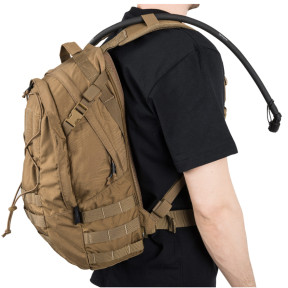
Weight distribution is not limited to the contents: it also depends on the structure of the bag. A padded back panel combined with an effective hip belt transfers the load onto the hips rather than the shoulders. Compression straps stabilize the payload, prevent shifting and allow the volume to be tightened once the bag is partially emptied.
The MOLLE system (Modular Lightweight Load-carrying Equipment), built on the PALS grid (Pouch Attachment Ladder System), is today the reference for modularity. It allows MOLLE pouches to be attached and repositioned according to mission needs.
Organizing a tactical bag for quick access to gear relies on a simple but rigorous method: choosing the right volume based on mission duration (24h, 48h or 72h), intelligently distributing weight across the different zones of the bag, exploiting the MOLLE system and its pouches to customize access to priority equipment, and avoiding loading mistakes that compromise mobility.