The best equipment for pros and enthusiasts alike

Gift
 Professions
Winter bivouac represents a major challenge for any outdoor activity practitioner, whether hikers, security professionals, or airsoft enthusiasts. Mastering cold and fatigue is not just a matter of comfort: it's a vital necessity that determines your safety and performance in the field.
When operating in winter conditions, your body enters an energy survival mode. Maintaining core body temperature requires considerably increased caloric expenditure. This constant demand rapidly depletes your reserves, especially if you're already fatigued.
Metabolism slowed by fatigue creates a vicious circle: less available energy means less capacity to produce heat, which increases your vulnerability to cold-related pathologies.
Fatigue compromises three essential functions: vigilance (your ability to detect dangers drastically decreases), motor coordination (movements become imprecise), and judgment (your decision-making deteriorates). Risks of falls, slips, hypothermia, or tactical errors increase proportionally.
The trio of cold ground, humidity, and wind significantly amplifies the sensation of cold and compromises your recovery. Frozen ground can drain all your body heat in a few hours, even in a quality sleeping bag. Humidity nullifies the effectiveness of your insulators, while wind creates an exponential cooling effect.
For security professionals and law enforcement, these conditions represent a major operational risk: the inability to respond quickly or maintain an acceptable level of performance can compromise an entire mission.
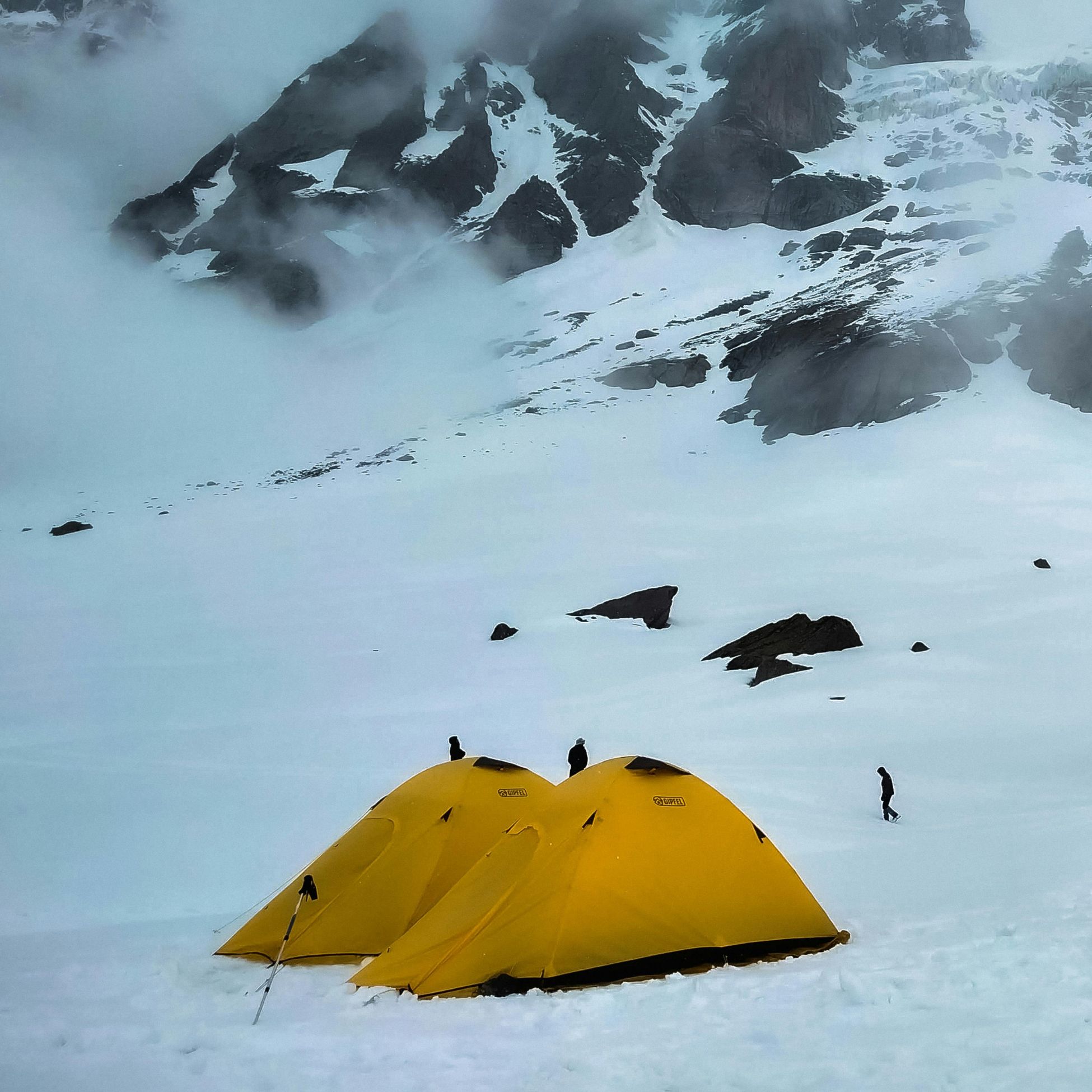
The first step of a successful winter bivouac begins well before your departure. A thorough weather analysis must include expected minimum and maximum temperatures, wind speed and direction (wind chill factor), expected precipitation and its nature (snow, freezing rain), avalanche risk if you're operating in mountains, and ground conditions (frost, snow, ice).
Your terrain reconnaissance must identify a bivouac location that offers natural protection from wind, away from risk areas (avalanche corridors, dead trees, cornices). Ideally, a slightly elevated site to avoid cold air accumulation, with a natural barrier on the prevailing wind side.
Crucial point: always inform a third party of your route, planned bivouac point, and return time. In a professional context, this procedure is mandatory.
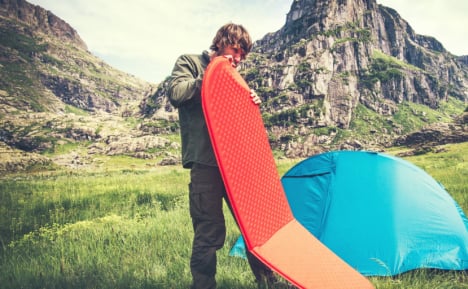
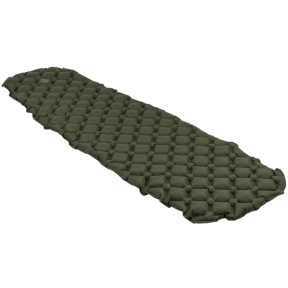
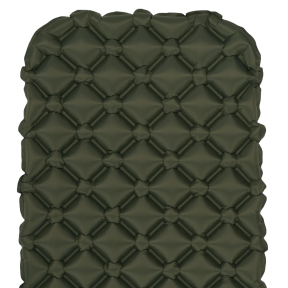
Essential equipment constitutes your lifeline. The insulating mat is your first defense against cold. On frozen ground, favor a mat with an R-value of at least 4, ideally 5 or more. This value measures thermal resistance: the higher it is, the better the insulation. Consider using two stacked mats for extreme conditions.
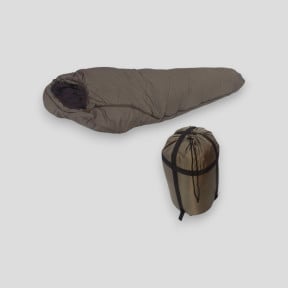
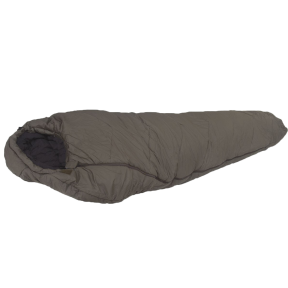
Select a sleeping bag whose comfort temperature is at least 5 to 10°C lower than the expected minimum temperature. Down bags offer the best warmth-to-weight ratio, but lose their insulating properties if wet. Synthetic bags are heavier but retain some effectiveness even when damp. A liner or sleeping bag sheet can add 5 to 10°C of additional warmth.
Your clothing system must function like a thermal architecture in three layers: the base layer in synthetic material or merino wool (never cotton) wicks away perspiration, the middle layer in fleece or down traps warm air, and the outer windproof and waterproof layer protects you from the elements. Absolutely plan dry clothes for the night. Never sleep in damp clothes or clothes soaked with sweat.
Cold masks the sensation of thirst, creating a serious risk of dehydration. Plan rations rich in calories (4000 to 6000 kcal/day in winter conditions versus 2000 to 3000 normally), favoring lipids and carbohydrates for optimal energy release. Provide a system to maintain hot beverages (quality thermos) and foods that are easy to consume even with gloves.
Batteries lose up to 50% of their capacity in extreme cold. Keep your electronic devices close to your body or in insulated pockets. Plan headlamp with spare batteries, chemical or reusable hand warmers, spare gloves and socks, hat or balaclava, and cold-functional communication system.
Plan to limit fatigue: adapt your distance and pace to winter conditions (allow 30 to 50% additional time), plan arrival at bivouac at least one hour before sunset, ensure you're well rested before departure, and plan active recovery phases.
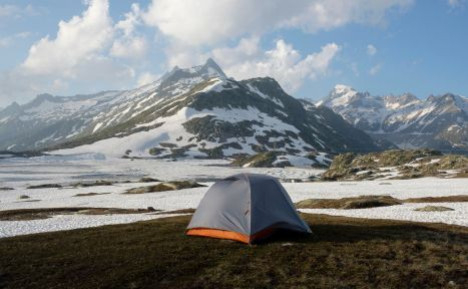
Arrive at camp early enough to set up your shelter methodically, without haste that generates perspiration and fatigue. On soft snow, pack down the sleeping area by trampling it for 10 to 15 minutes, then let it harden for 30 minutes before setting up your tent.
If you're bivouacking under a tent or natural shelter, create a small depression at the entrance: cold air, being denser, will accumulate there instead of stagnating under your sleeping bag. Heat water, pour it into a resistant plastic bottle, wrap it in cloth, and place it in your sleeping bag 30 minutes before going to bed. It will radiate heat for several hours.
Just before slipping into your bag, perform some light movements (squats, arm rotations, marching in place) to generate internal heat, but without sweating. Consume a caloric meal 30 to 60 minutes before sleeping. Your digestion will produce heat during the night. Favor fatty and sweet foods.
Hydrate regularly, even if you're not thirsty. Dehydration reduces blood volume and therefore your body's capacity to transport heat to extremities. During the day, split your nutrition: frequent small snacks keep your metabolism active and your temperature stable.
Monitor the appearance of these symptoms in yourself and your teammates: excessive drowsiness, loss of motor coordination, cold extremities that don't warm up, uncontrollable shivering, mental confusion or unusual irritability, white or bluish skin areas (frostbite). These signs indicate developing hypothermia or frostbite and require immediate action.
Before going to bed, change completely into dry clothes, urinate before entering your bag (a full bladder mobilizes energy), cover your head with a hat (up to 40% of body heat escapes through the head), wear dry, thick socks but not too tight, and keep light gloves within reach.
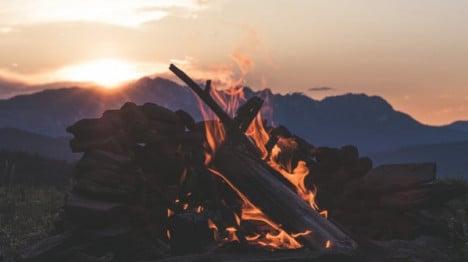
Condensation is the enemy of winter bivouac. Ensure adequate ventilation of your shelter to evacuate respiratory moisture. A damp sleeping bag loses up to 90% of its insulating effectiveness. If your bag becomes damp, air it out as soon as possible and dry it in the sun or near a fire if conditions permit.
Cold creates constant physiological stress that accelerates mental fatigue. Break down your tasks into short, manageable sequences, take 1 to 2 minutes before each action to assess your condition and concentration, establish surveillance rotations in groups to maintain collective attention level, and stay alert to signs of discomfort in your teammates.
.jpg)
For law enforcement, military, or security professionals, winter bivouac adds tactical constraints. Choose a location offering visual and auditory cover. Cold amplifies sounds: your movements and setup will be more audible.
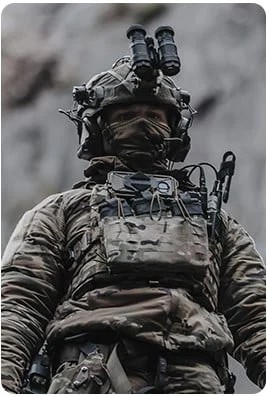
Bulletproof vests, ballistic plates, and tactical equipment complicate thermal management. Plan specific insulating layers compatible with your equipment, insulated pouches for sensitive equipment (radio, batteries, optics), and attachment systems allowing quick access despite clothing layers.
Your ability to respond quickly depends on your recovery level. Organize effective and protected rest phases, strategic nutrition with quick energy rations, and rapid warming procedures to maintain responsiveness. Plan multiple pairs of fingerless tactical gloves, as moisture will quickly render them unusable.
In a professional winter context, your emergency plan must be stricter: medical evacuation procedure with identified meeting points, communication protocol in case of weather deterioration, winterized rescue equipment (survival blankets, body warmers, signaling devices), and first aid training in cold environments.
Mastering fatigue and cold during a winter bivouac is not an option, it's an absolute necessity that determines your survival, comfort, and operational effectiveness.
This management relies on three fundamental pillars: meticulous preparation (appropriate equipment, terrain reconnaissance, weather analysis, and rigorous planning), technical execution (methodical camp setup, active body heat management, strategic nutrition, and constant vigilance), and continuous adaptation (monitoring body signals, adjusting clothing layers, hydration management, and maintaining collective vigilance).
For security professionals, law enforcement, or demanding outdoor practitioners, these principles define your performance level and your ability to accomplish your mission in the most difficult conditions.
A well-managed winter bivouac translates to maximum performance maintained despite extreme conditions, enhanced safety with considerably reduced risks of hypothermia and human error, and optimal recovery allowing you to restart with preserved energy levels.
By methodically applying these principles and using this checklist as a reference, you transform the winter challenge into a controlled experience, where cold and fatigue become manageable parameters rather than threats. Winter bivouac requires rigor, discipline, and knowledge, but offers in return unique experiences and the satisfaction of having pushed your limits safely.