The best equipment for pros and enthusiasts alike


-15%
 Professions
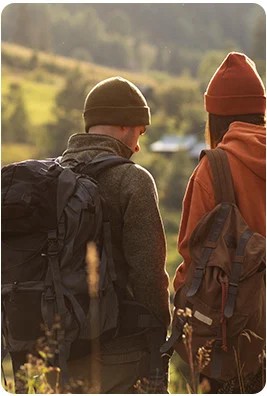
Bivouacking is attracting more and more nature enthusiasts seeking authenticity and freedom. This practice, which consists of sleeping under the stars or in a tent lightweight in the wilderness, offers a unique connection with the environment. However, beginners often make mistakes that can turn this adventure into a nightmare. Discover the 5 most common pitfalls and how to avoid them to have a memorable experience bivouacking.
One of the most common mistakes – and potentially disastrous – is discovering your equipment directly in the field. Imagine yourself struggling with the poles of your tent in pouring rain, or realizing that your stove doesn't work when preparing your meal.
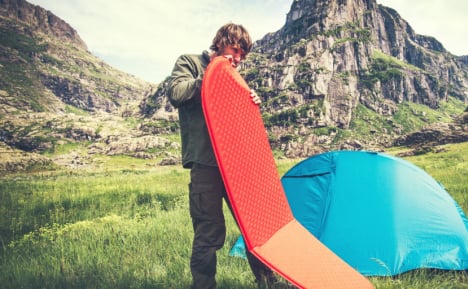
Before your first outing, organize a test session in your garden or a park. Set up and take down your tent several times, inflate your mat, test your stove and check the battery life of your lighting. This preparation will save you precious time and give you confidence in your equipment.
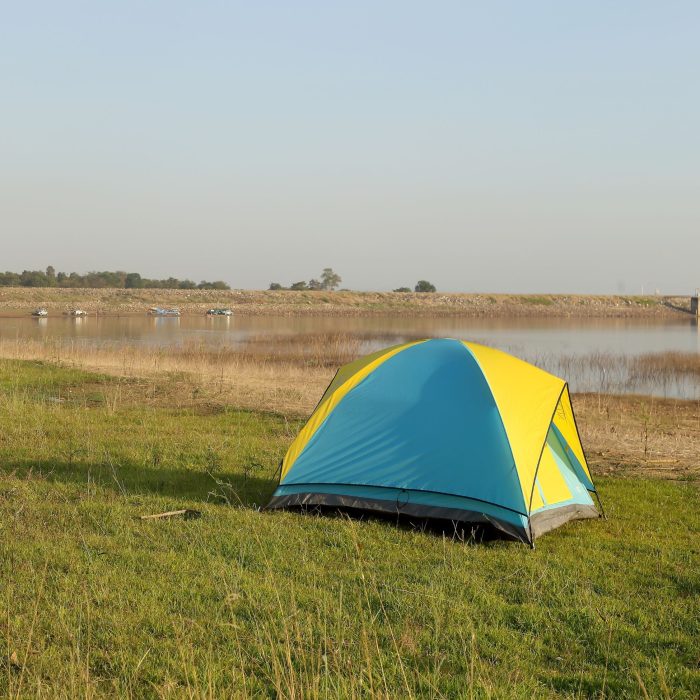
A beautiful spot by a stream may seem idyllic, but it sometimes hides many pitfalls. The choice of location directly influences the quality of your night and your safety.
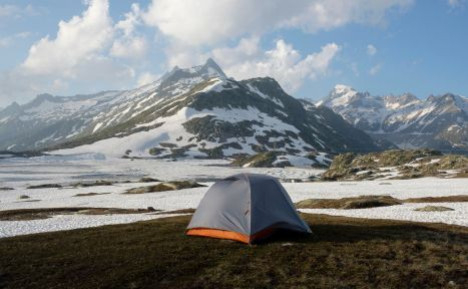
Choose flat, well-drained terrain, sheltered from prevailing winds. Check for dangerous trees above your head and respect local regulations. A good location must be dry, stable, and legal.
The "just in case" syndrome pushes many beginners to bring far too much equipment. This over-preparation results in excessive weight that spoils the pleasure of walking and increases fatigue.
Limit yourself to the fundamental trio: sleeping (tent + mat + sleeping bag), eating (water + food + stove), securing (lighting + first aid kit). Every gram counts: prioritize quality and lightness over quantity.
Nights outdoors often hold unpleasant surprises for the uninitiated. Nighttime humidity and temperature drops are greater than one might imagine, even in summer.
Invest in a quality insulator to place under your mat, choose a sleeping bag suited to the expected temperatures, and adopt the three-layer system for your clothing. Also ensure that your tent has good ventilation to prevent condensation.
Leaving while counting on "finding water on site" is a risky approach that can have serious consequences for your health and safety.
Carry at least 2 liters of water per person, supplemented by a purification system (filter or tablets). Identify water sources along your route before departure and don't hesitate to stock up at reliable sources.
.jpg)
Each territory has its specific rules regarding bivouacking. Find out about authorized areas, schedules, and local restrictions to avoid fines and inconveniences.
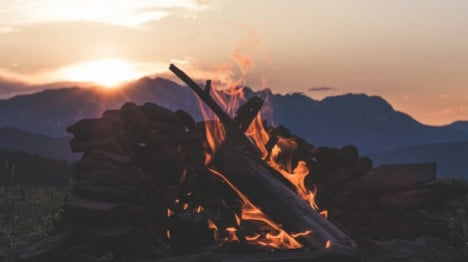
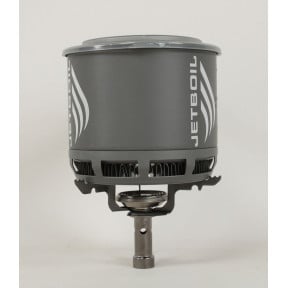
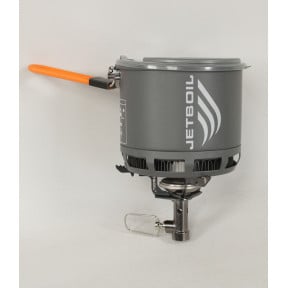
A campfire is not always necessary and can be dangerous for the environment. Opt for a gas stove, which is more practical and eco-friendly.
To maximize your chances of success, consider these expert recommendations:
Bivouacking remains a wonderful experience accessible to everyone, provided you avoid these common mistakes. Careful preparation, respect for the environment, and a gradual approach will guarantee you memorable experiences in nature. Remember that each outing is an opportunity to learn and perfect your technique.
With these tips in mind, you are now ready to experience your first bivouac adventure with complete peace of mind. Nature awaits you!