The best equipment for pros and enthusiasts alike







-10%
 Professions
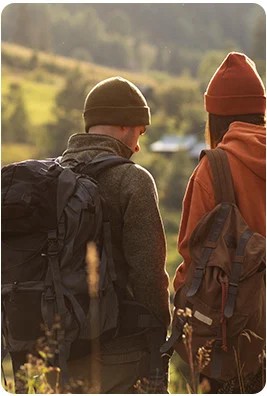
Bivouacking offers a unique experience of connection with nature, but it requires meticulous preparation to coexist peacefully with wildlife. Whether you are a beginner hiker or experienced camper, safety around animals remains a major concern during your wilderness adventures.
Encounters with wildlife can turn a peaceful night into a dangerous situation. Bears, wolves, wild boars, snakes, or even simple rodents can pose risks to your safety and equipment. A preventive approach and appropriate knowledge constitute your best defense.
Before going on a bivouac, thoroughly research the species present in your destination region. Consult local tourist offices, official national park websites, and exchange information with experienced hikers. These sources will provide you with valuable information about animal habits, their activity periods, and their preferred passage areas.
Once in the field, carefully observe the information signs installed in parks and natural areas. These displays often contain specific advice on behaviors to adopt when encountering local species and emergency procedures in case of dangerous encounters.
The location of your campsite largely determines your nighttime safety. Absolutely avoid setting up near stagnant water, animal carcasses, trails frequented by wildlife, or natural feeding areas. These places naturally attract wild animals.
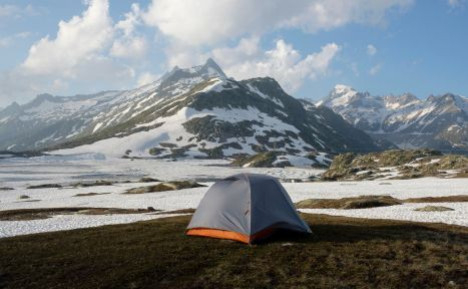
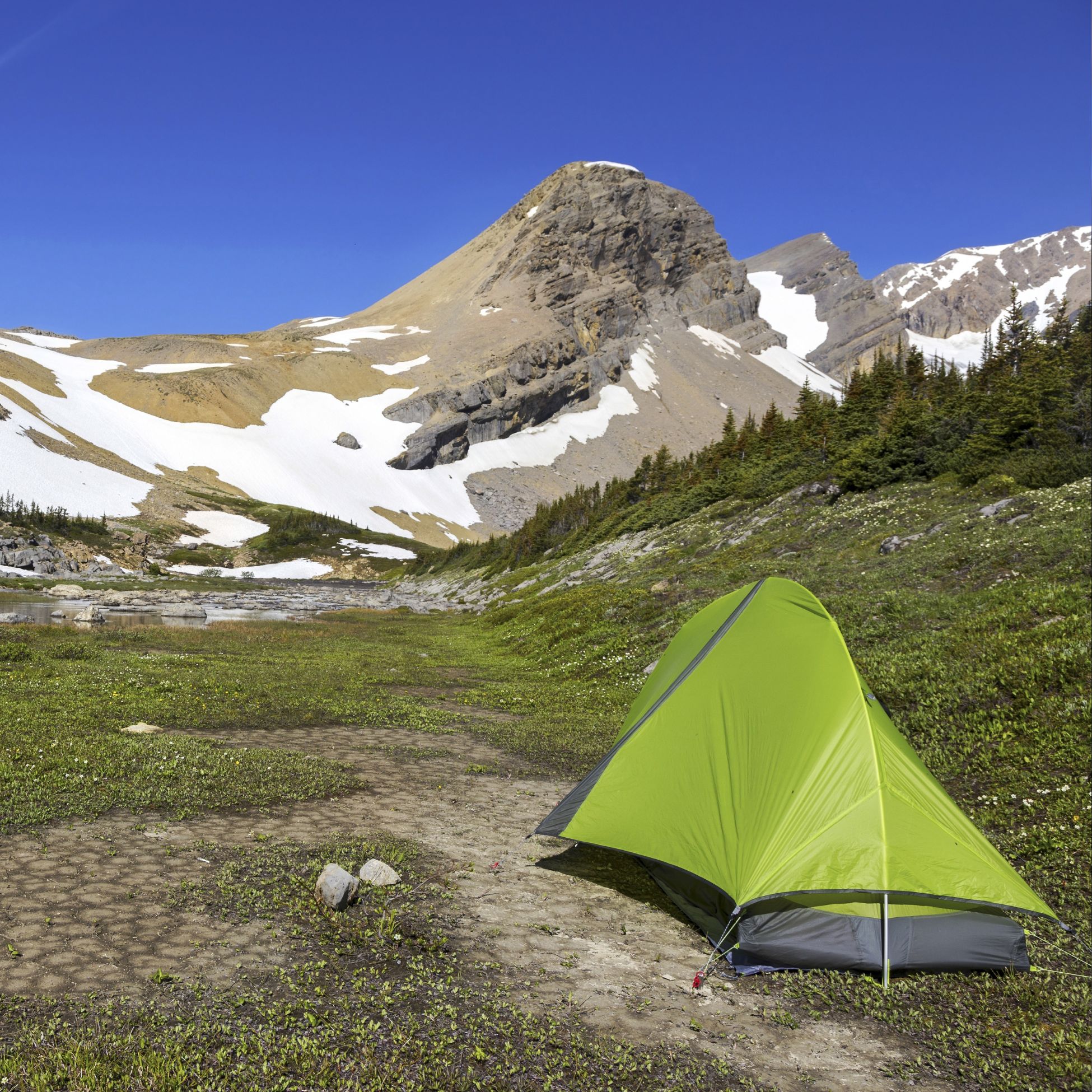
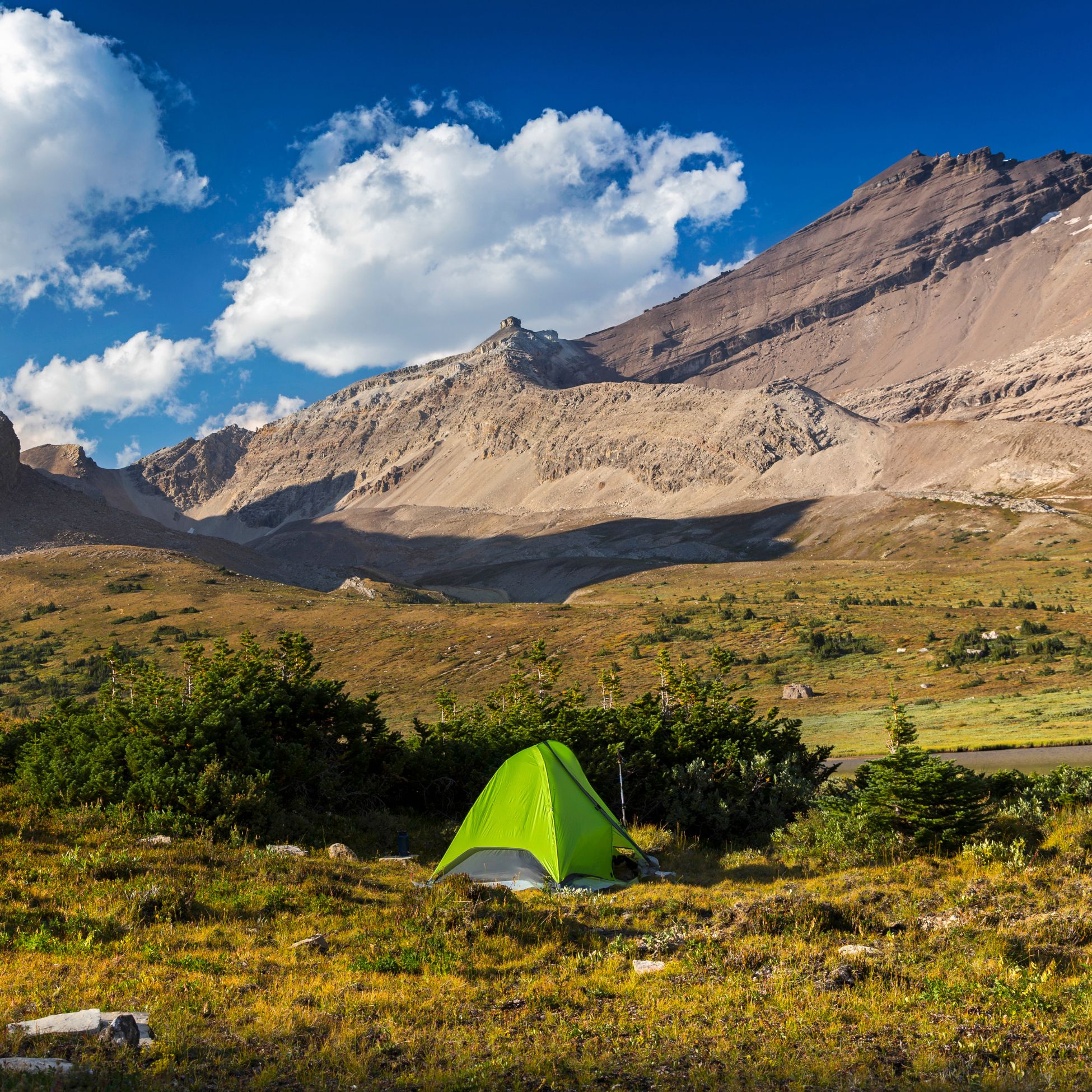
Choose open areas, well-lit by the sun and offering excellent visibility. Maintain a distance of at least 60 meters, ideally up to 200 meters, from water sources and trails frequented by animals. This safety distance gives you time to react in case of approach.
Before setting up your equipment, carefully examine the ground for tracks, droppings, or other telltale signs of animal activity. This preventive inspection allows you to identify potentially dangerous areas and adjust your location if necessary.
Food represents the main attraction for most wild animals. Use airtight containers specially designed to resist animals, such as bear canisters used in bear country. These metal or reinforced plastic containers prevent animals from accessing your supplies.
Suspend your food and waste from a tree branch, respecting minimum safety distances: at least 3 meters from the ground and 1.5 meters from the trunk. This proven method puts your supplies out of reach of most terrestrial animals.
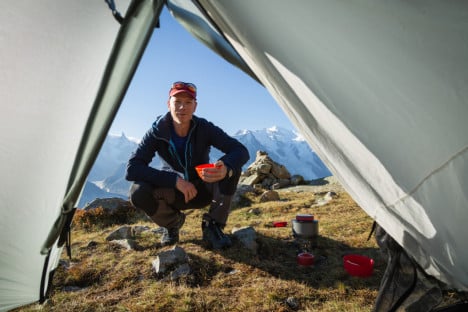
Prepare your meals at a distance from your sleeping tent to prevent odors from attracting animals near your rest area. Clean your dishes and utensils immediately after use, and strictly follow the pack it out principle by taking all your waste with you.
Make noise during your movements and upon arrival at your campsite. Talk loudly, sing, use bells or whistles. This sound signaling prevents surprise encounters by alerting animals to your presence, giving them the opportunity to move away naturally.
Create a safety perimeter around your camp with rudimentary but effective warning devices: ropes equipped with bells, suspended metal utensils, or stones arranged in a circle. These systems alert you in case of nighttime intrusion.
Use natural repellents such as peppermint essential oil, white vinegar or, with caution, mothballs. For certain specific species such as bears or wolves, approved sprays are a more effective solution.
A powerful flashlight or a motion-detection lighting system significantly contributes to keeping nocturnal animals away. Most wild species instinctively avoid illuminated areas.
When facing a wild animal, your first reaction determines the outcome of the encounter. Absolutely keep your calm, avoid sudden movements and resist the instinct to flee which could trigger the animal's pursuit instinct.
Back away slowly and diagonally so as not to appear threatening. This indirect approach reassures the animal and allows you to gradually move away without provoking aggression.
If the situation requires it, increase your silhouette by raising your arms above your head and make loud noises to deter the animal. This technique works particularly well with medium-sized predators.
When facing a threatening bear or wolf, speak calmly without making direct eye contact, which could be interpreted as a challenge. Keep a bear spray within reach if you are in regions where these animals are present.
Invest in a quality tent, perfectly waterproof, equipped with a double floor and effective mosquito nets. This physical protection prevents insects and small rodents from entering your sleeping area.
Apply an insect repellent spray to your tent to repel mosquitoes, ticks, and other harmful insects. This precaution significantly improves your nighttime comfort.
In areas where venomous snakes live, wear high snake-proof boots that protect your legs and ankles. This specialized equipment can save your life in certain tropical or desert regions.
If you are traveling with a dog, keep it constantly on a leash. Dogs can attract or provoke wild animals, creating dangerous situations for all group members.
Preparation: Learn about local wildlife and respect park signage.
Location: Choose open areas, away from water sources and animal trails.
Food: Store airtight, suspend your supplies and cook away from your sleeping area.
Deterrence: Make noise, use repellents and install warning devices.
Encounters: Stay calm, back away slowly, and use specialized sprays if necessary.
Equipment: Invest in a sturdy tent, insect repellents and appropriate footwear.
Bivouacking represents a wonderful opportunity to reconnect with wild nature. By applying these safety tips and adopting a respectful approach to wildlife, you transform this potentially risky experience into a memorable adventure that is serene.
The key to success lies in preparation, prevention, and knowledge. Anticipate risks, respect the natural habitat of animals, and always keep in mind that you are a guest in their territory.
With these safety reflexes well integrated, your nights in the wilderness will become privileged moments of observation and contemplation, far from urban stress and in perfect harmony with the ecosystem that welcomes you.