The best equipment for pros and enthusiasts alike




 Professions
Facing current threats, whether military interventions, police missions, or private security operations, choosing appropriate ballistic protection can make all the difference. Ballistic equipment constitutes an essential barrier against projectiles, but not all are equal depending on the situation.
Between soft bulletproof vest and rigid ballistic plate, the differences are numerous and decisive. Soft or rigid, which one is right for you? We explain everything in this comprehensive guide.
Table of Contents
Ballistic equipment is a body protection device specifically designed to stop or deflect projectiles from firearms, explosive fragments, or various debris. These protections are governed by strict international standards that guarantee their effectiveness.
The main certification standards include NIJ (National Institute of Justice) in the United States, VPAM in Europe, and CAST in Canada. These organizations establish protection level classifications according to resistance to different calibers:
Each level corresponds to a specific resistance capacity, allowing users to choose the equipment best suited to their operational environment.
 Brice Lapointe
Soft ballistic equipment derives its strength from ultra-high-performance textile fibers. The most commonly used materials are Kevlar, Twaron, and Dyneema, recognized for their exceptional ability to absorb and dissipate impact energy. These fibers are woven in multiple layers to create protection that is both lightweight and flexible.
This design allows prolonged wear without significantly hindering user movements, a major asset for professionals who must wear their equipment for long periods.
Soft ballistic protection excels at stopping handgun projectiles. It is effective against commonly encountered calibers such as 9mm, .40 S&W, .45 ACP, and can even resist certain rifle calibers depending on the NIJ level.
The operating principle is based on the absorption and dissipation of the projectile's kinetic energy through multiple fiber layers, which deform to distribute the impact over a larger surface.
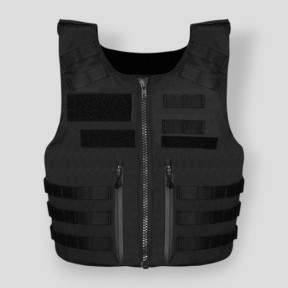
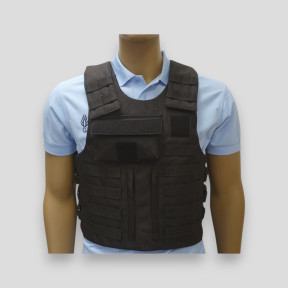
The soft bulletproof vest has several decisive advantages. Its remarkable lightness allows daily wear without excessive fatigue, while its discretion allows wearing under civilian clothing. This characteristic proves crucial for private security agents, plainclothes police officers, or threatened personalities.
The freedom of movement it provides remains unmatched, allowing optimal mobility during dynamic interventions. Soft bulletproof vests, bulletproof t-shirts, and protective vests integrate naturally into professionals' daily equipment.
Despite its qualities, soft ballistic equipment has significant limitations. It cannot stop projectiles from assault rifles or precision rifles, which develop kinetic energy far superior to handguns. Additionally, without additional cut-resistant protection, it offers limited resistance against blades or blunt objects.
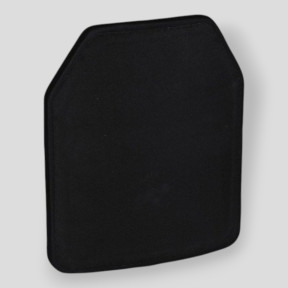
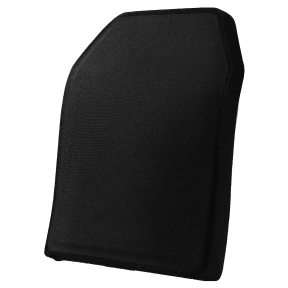
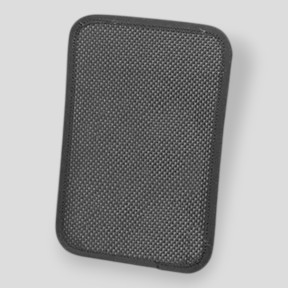
Rigid ballistic equipment consists mainly of ballistic plates manufactured from ceramic (alumina, boron carbide), compressed polyethylene, or steel. These materials are chosen for their ability to break and deflect the most powerful projectiles.
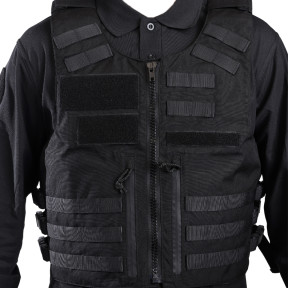
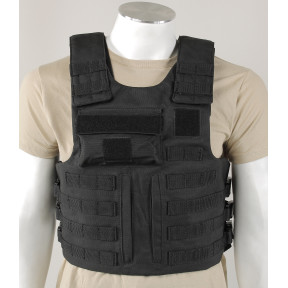
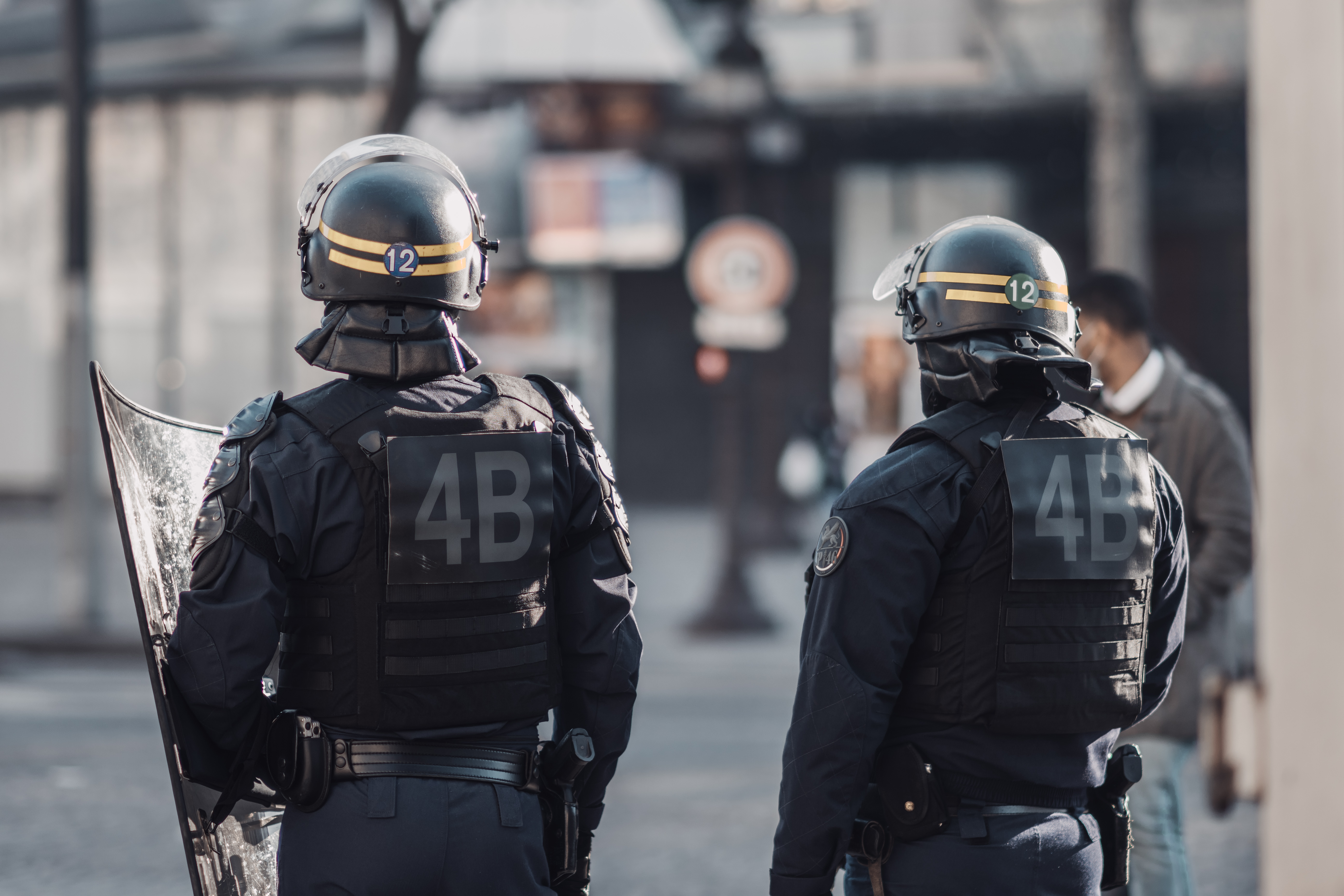
These plates are inserted into a tactical plate carrier, a modular system allowing adaptation of protection according to the mission. This configuration offers targeted protection of vital areas while maintaining certain mobility.
Rigid ballistic protection excels against long weapons, particularly 5.56mm, 7.62mm, .308 calibers and even certain armor-piercing projectiles (API, AP). NIJ Level IV plates can stop armor-piercing ammunition, offering the highest level of protection available.
This exceptional capability comes from the hardness of the materials used, which break or deform projectiles upon impact, dissipating their energy in a controlled manner.
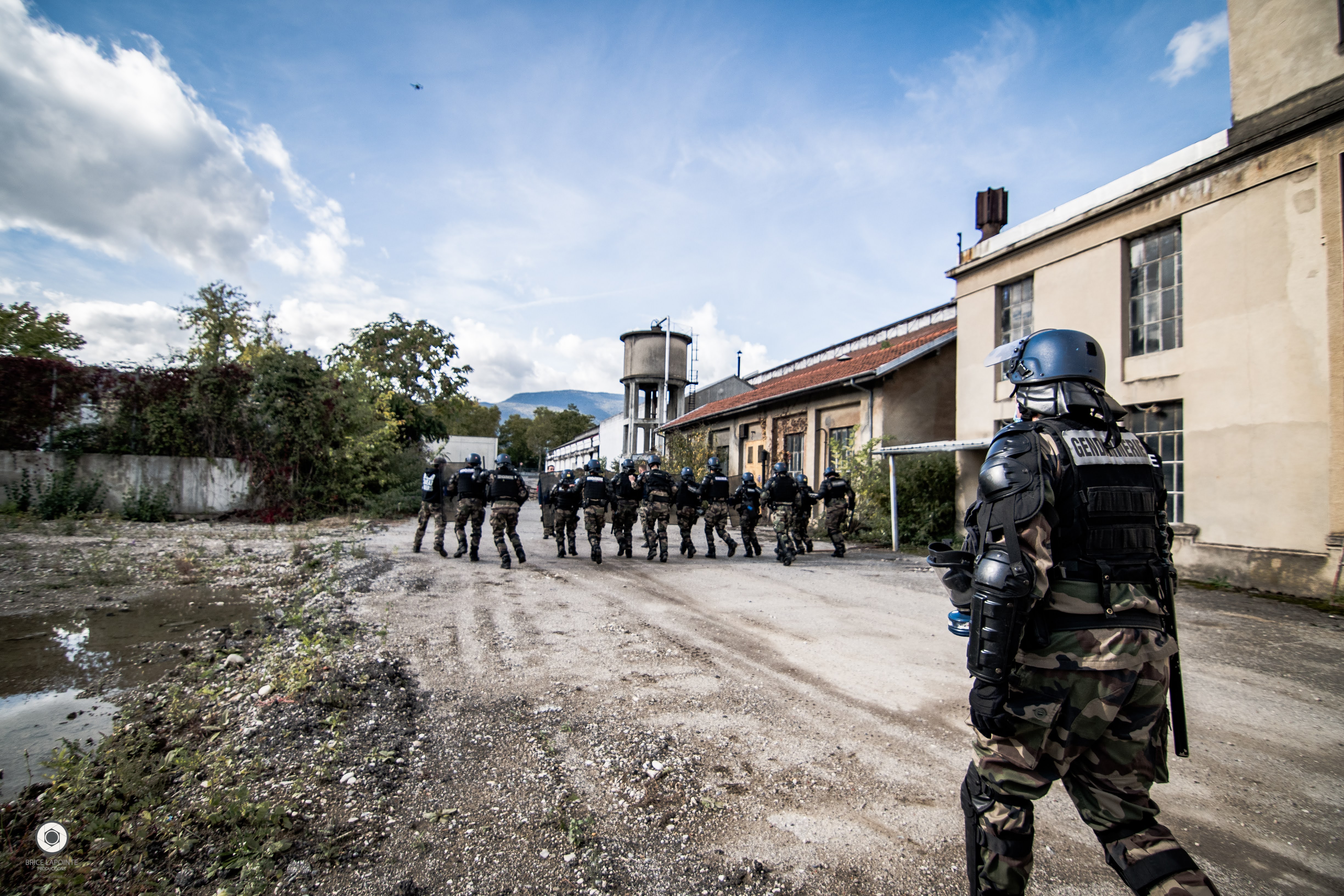
The main advantage lies in the very high level of protection offered, essential for special forces, SWAT units, military in war zones, or RAID and GIGN gendarmes. Depending on the chosen material, certain plates resist multiple successive impacts on the same area.
The modularity of the system allows adapting protection according to the threat, by adding or removing plates according to operational needs. This flexibility proves valuable during missions with variable risk profiles.
Weight constitutes the main disadvantage of rigid ballistic equipment. A plate can weigh up to 3 kg, significantly limiting the user's mobility and endurance. Wearing comfort is reduced, making prolonged wear difficult.
Discretion becomes impossible, as the volume and weight of the plates are incompatible with wearing under civilian clothing. This constraint limits its use to specialized interventions or openly hostile environments.
 Brice Lapointe
| Criterion | Soft ballistics | Rigid ballistics |
|---|---|---|
| Protection | Handguns | Assault rifles / AP ammunition |
| Comfort | Very good | Low to medium |
| Weight | Light | Heavy |
| Discretion | Yes | No |
| Mobility | Excellent | Medium to low |
| Typical use | Private security, police | Military, RAID, GIGN |
The choice between soft and rigid protection depends on several crucial factors. The professional situation constitutes the first criterion: an event security agent will not have the same needs as a military personnel in armed intervention.
The expected risk level determines the necessary level of protection. A routine urban patrol requires different protection than an anti-terrorist operation. Daily wearing time also influences the choice, as heavy equipment quickly becomes handicapping during prolonged wear.
The available budget guides toward certain technologies, with high-performance ceramic plates being more expensive than standard soft protection. Finally, modularity offers an interesting solution: some vests combine permanent soft protection with the possibility of adding rigid plates according to missions.
Discover our complete range of professional ballistic equipment:
Each product meets the strictest standards and benefits from our expertise in professional security equipment.
Choosing between soft and rigid ballistic equipment requires a precise analysis of operational needs. Soft protection excels in situations requiring discretion and mobility, while rigid protection is essential when facing the most serious threats.
Technological evolution tends toward hybrid systems combining the advantages of both approaches, offering modularity adapted to modern missions. Whether for private security, law enforcement, or military interventions, appropriate ballistic equipment remains your best life insurance.