The best equipment for pros and enthusiasts alike




 Professions
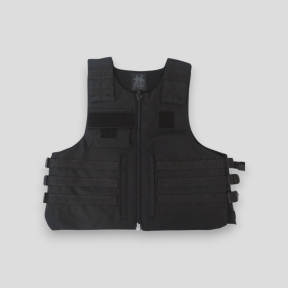
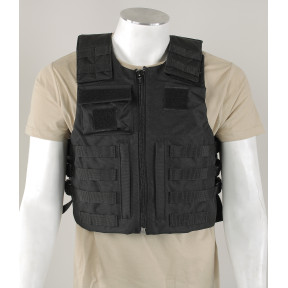
The bulletproof vest is protective equipment that absorbs bullet impacts, mainly made with tightly woven fibers such as kevlar.
We will provide you with some details on the plates themselves, before addressing the materials used as well as the protection levels. We will conclude with the importance of size to ensure good protection.
Summary:
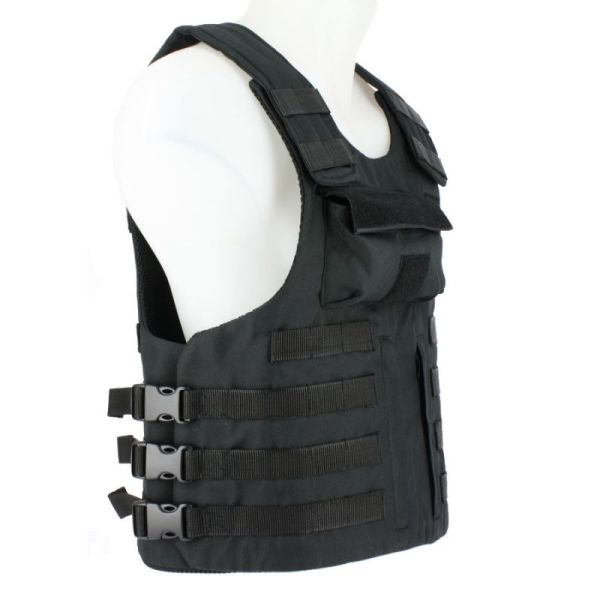
The BPV allows to protect the wearer against projectiles from weapons or grenades for example. Additional plates made of metal or ceramic can be slipped into the pockets provided for this purpose on the front and back of the vest in order to stop ammunition of superior power. They add significant protection but also increase the weight of the vest. Metal or ceramic plates are generally used by national armies or special intervention forces such as GIGN, the SWAT or RAID. Bulletproof vests are not invincible and powerful weapons can pierce them.
Basic kevlar vests offer ballistic protection of level II or level IIIA like vests from the Le protecteur brand.
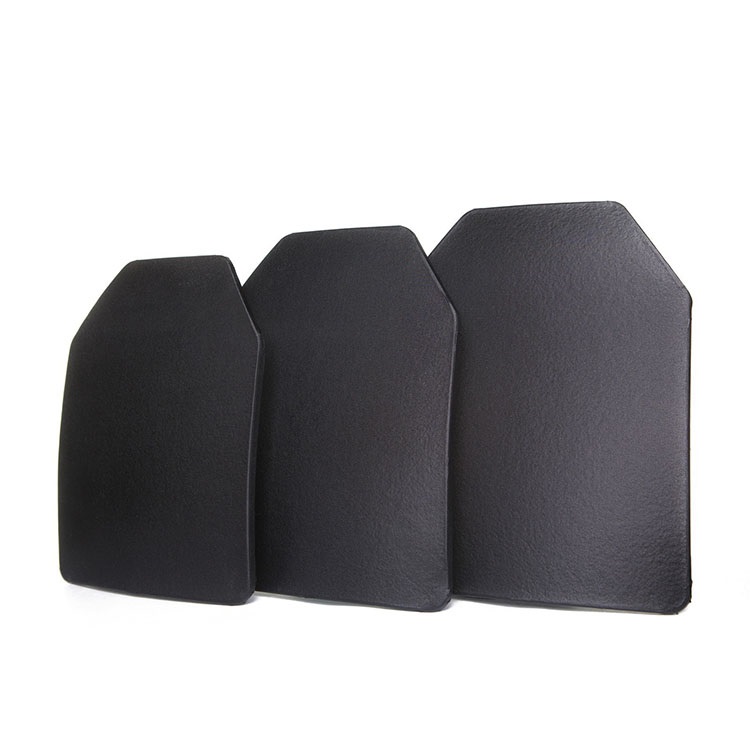
There are several types of protection plates such as metal and ceramic plates. Those made of metal are generally considered the best for reducing blunt trauma thanks to the conductive lines of the material.
You should never wash ballistic plates with detergents or bleach, the ballistic quality would be destroyed and your plate would no longer protect you.
To clean your ballistic plates, use a soft cloth or a sponge very slightly damp with soap without corrosive products then wipe quickly with a dry cloth. It is important to always store a bulletproof vest in its transport cover flat, on a shelf for example.
Ceramic plates offer very high ballistic resistance. However, they are not very effective at mitigating blunt trauma. As a result, they are often held by materials such as aramid-based fabrics, high-density plastics and/or metals.
Polyethylene plates, also called DYNEEMA are made from new very resistant materials, with currently the greatest impact resistance of all thermoplastic compounds. They are very resistant to corrosive chemicals, except acids, they have low moisture absorption and a very low coefficient of friction. These plates are self-lubricating and can be up to 15 times more resistant to abrasion than steel.
Kevlar plates are more resistant than those made of steel and lighter. Nevertheless, kevlar has high thermal absorption as well as poor UV resistance. It has very good resistance to traction, to chemicals regarding fuels, to shock absorption and to thermal expansion. It resists temperatures from +450°C to -160°C.
Plates made of nanomaterials such as nanocarbon offer a weight/resistance ratio that surpasses current materials, but very few products made of "nanomaterials" are currently marketed.
Each plate has a protection level that protects against certain types of bullets, the higher the level the greater your protection is increased.
Here is a breakdown of the different protections to effectively protect you:
.PNG)
The most common plate shapes are rectangle, rounded rectangle and irregular hexagon.
The purpose of plates is to cover the vital organs hidden in the rib cage. Each individual has a different body structure, so the size of the plates must be adapted to the body's physiology or chest size.
There is no universal plate size suitable for everyone and the choice of plates must be guided by the user's physique.
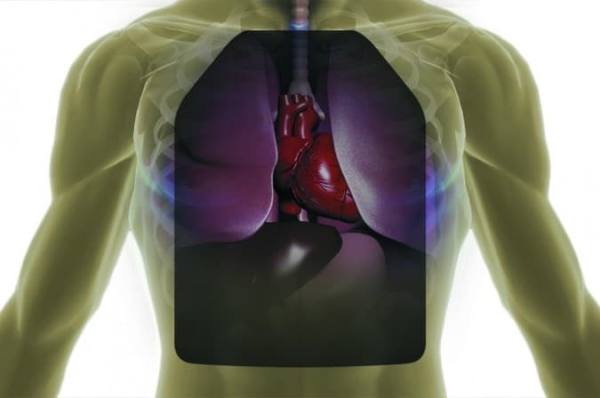
Plates generally measure 30 cm × 35 cm with a specific destination according to the vest. The thickness (depth) varies according to the material used and the destination of the plate, but it rarely exceeds 1 cm.
The plate must cover the chest circumference as well as the potential user's size. The choice of appropriate size for plates and anti-shock pads is based on the user's measurements but also on an appropriate size carrier for this plate size.
The most reliable solution to determine the right dimension so that the plate fits perfectly in your vest is to create a dummy cardboard plate to use as a model.
To position your front plate, look for the weak spot at the top of your sternum and adjust your carrier to place the top of it there. The back plate should be positioned in the same way on your back, one way to find this spot is to look for the most prominent vertebrae at the base of your neck, then place the top of your plate about 10 cm below according to your body type.
Side plates can be used to increase your protection, but it will also increase your weight.
A useful basic rule is to ensure that your front plate is at least wide enough to cover your nipples.
Even if there is an advantage in terms of weight saving, taking a plate that is too small will not protect you optimally. Similarly, taking a plate that is too large causes excess weight, which hinders movement.