 The best equipment for pros and enthusiasts alike








-
 Professions
-
-
-
-
-
-
-
-
All Tops
![All Tops]()
-
-
-
All Bottoms
![All Bottoms]()
-
-
-
All Footwear
![All Footwear]()
-
-
-
All Bags
![All Bags]()
-
-
-
All Accessories
![All Accessories]()
-
-
Le 18 April 2025
Camelbak, filter bottle, or water bladder: which hydration system to choose?
Staying hydrated during your outdoor activities is crucial for your performance and well-being. With the multitude of hydration systems available on the market, it can be difficult to determine which one best suits your needs. In this article, we will explore the different options and help you make the most suitable choice for your activities.
Table of Contents
- Water Bladders (Camelbak and others)
- Advantages
- Disadvantages
- Filtering Water Bottles
- Advantages
- Disadvantages
- Classic Water Bottles
- Advantages
- Disadvantages
- How to Choose the Ideal Hydration System?
- Conclusion
Water Bladders (Camelbak and others)
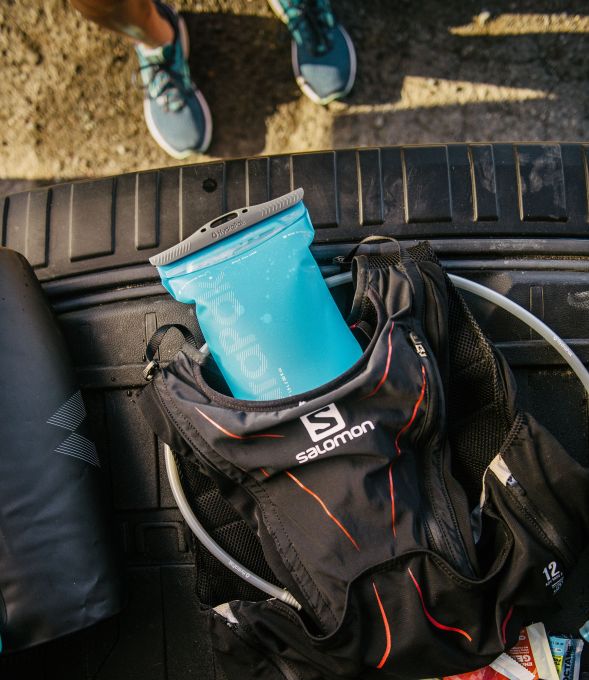
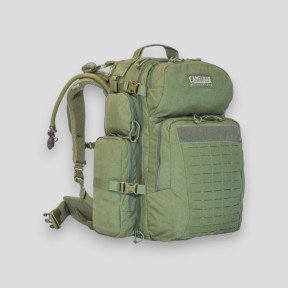
Water bladders, often called "Camelbak" after the pioneering brand, have become essential for many athletes. These flexible reservoirs integrate into a backpack and are equipped with a tube allowing hands-free drinking.
Advantages
- Hydration on the Move: The tube facilitates access to water without having to stop, ideal for activities requiring continuous hydration like cycling or hiking.
- Large Capacity: Water bladders typically offer a capacity of 1.5 to 3 liters, reducing the frequency of refills.
- Discretion: Integrated into the backpack, they don't add visible extra volume.
Disadvantages
- Complex Maintenance: Cleaning can be tedious, especially if beverages other than water are used. However, some brands, like Hydrapak, offer reversible systems facilitating cleaning.
- Considerable Weight: Once filled, the water bladder can add considerable weight, which can be tiring over long distances.
- Variable Durability: Depending on quality, bladders can deteriorate over time and present leak risks.
Filtering Water Bottles
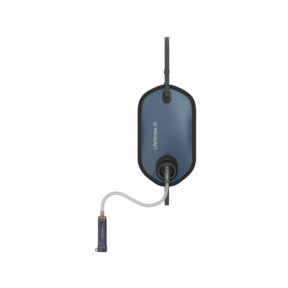
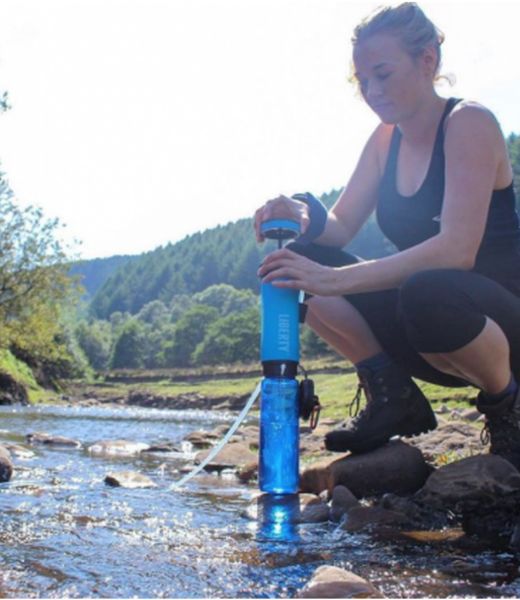
Filtering water bottles represent a major innovation in the outdoor field. Equipped with integrated filtration systems, they allow water purification by eliminating bacteria, protozoa and, depending on models, viruses and chemicals.
Advantages
- Exceptional Autonomy: They allow collecting water from natural sources while ensuring immediate filtration, thus reducing the need to carry large quantities of water.
- Ecology and Economy: By using local water sources, you reduce plastic bottle purchases, benefiting both the environment and your budget.
- Water Safety: Ideal for environments where water quality is uncertain, such as during foreign travel or nature expeditions.
Disadvantages
- Limited Capacity: Most filtering bottles have a capacity of about 0.5 to 1 liter, requiring more frequent refills.
- Suction Effort: Some models require suction to draw water through the filter, which can be tiring in the long run.
- Filter Lifespan: Filters must be replaced periodically, representing an additional cost.
Classic Water Bottles
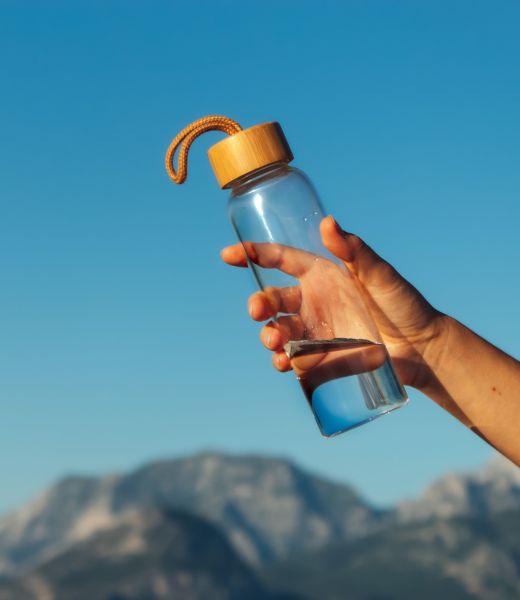
Traditional water bottles, without filtration systems, remain a popular option for their simplicity and robustness.
Advantages
- Ease of Use: Easy to use and clean, they suit those who have access to reliable potable water.
- Variety of Choices: Available in different sizes and materials (plastic, stainless steel, etc.), they adapt to various needs and preferences.
- Durability: Particularly for stainless steel models, which can last for years.
Disadvantages
- Dependence on Potable Water: Not offering filtration, they require a secure potable water source, limiting their use in wilderness settings.
- Less Convenient Access: Unlike water bladders, they require stopping to drink, which can interrupt your rhythm.
How to Choose the Ideal Hydration System?
The choice of hydration system depends mainly on three factors:
- Type of Activity: For high-intensity activities requiring continuous hydration (trail running, cycling), a water bladder is ideal. For hikes in natural environments with access to water sources, a filtering bottle may be preferable.
- Activity Duration: For short outings, a classic water bottle may suffice. For extended expeditions, the combination of a water bladder and a filtering bottle offers flexibility and safety.
- Environment: In urban environments or with access to potable water, a simple bottle is practical. In regions where water quality is uncertain, a filtering bottle is essential.
Conclusion
The choice of hydration system is personal and depends on your specific needs. For activities requiring continuous hydration without interruption, like trail running or cycling, a water bladder may be ideal. If you plan to explore areas where potable water is scarce, a filtering bottle will offer you autonomy and safety. Finally, for shorter outings or in urban environments, a classic water bottle may suffice.
Many experienced adventurers opt for a combination of systems, using for example a water bladder for hydration on the move and a filtering bottle as backup or for uncertain water sources.
The essential thing is to ensure you stay properly hydrated, whatever your activity. Take time to evaluate your needs and invest in a system that will effectively accompany you in all your outdoor adventures.
Related products
Related articles

4 unknown accessories to ensure you don't miss out on your next bivouac
Read the article

-
![Over 200 brands At the best price]() Over 200 brands At the best price
Over 200 brands At the best price -
![Secure payment In 3 or 4 interest-free installments]() Secure payment In 3 or 4 interest-free installments
Secure payment In 3 or 4 interest-free installments -
![Delivery across Europe From €79 of purchase]() Delivery across Europe From €79 of purchase
Delivery across Europe From €79 of purchase -
![Customer service Monday to Friday]() Customer service Monday to Friday
Customer service Monday to Friday


