During hiking on a GR, during a mountain bivouac or during an expedition in remote terrain, medical emergency takes on a particular dimension. Distance from emergency services requires each practitioner to be the first link in the rescue chain. But when the severity of the situation exceeds the group's capabilities, intervention by professional rescuers specialized in isolated environments becomes essential, with its own technical and logistical requirements.
Table of Contents
First aid in outdoor autonomy
Reality of outdoor emergencies
In 95% of situations encountered in natural environments, basic training and standard equipment are sufficient to stabilize the victim. The most common cases include:
- Trauma: ankle sprain on a rocky trail, fracture after a fall during via ferrata, deep wound caused by a camp knife.
- Environmental distress: hypothermia during a wet bivouac, heat stroke while hiking in summer, dehydration during a desert crossing.
- Exhaustion: vasovagal episode after a steep ascent, hypoglycemia in a poorly fed hiker.
- Terrain accidents: slip on névé, getting stuck in scree.
First aid with available means
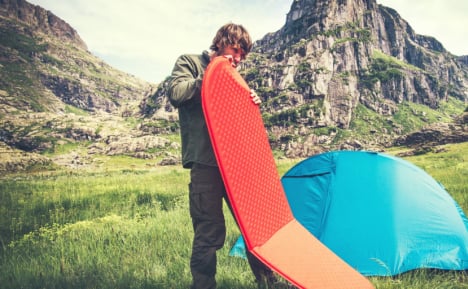
The effectiveness of first gestures relies on simplicity and adaptability. Concrete example: during a leg fracture in the mountains, it is possible to use two trekking poles and a belt to improvise a splint. A sleeping pad can serve as a makeshift stretcher to move the victim a few meters.
Hiking equipment / rescue equivalence table:
| Hiking equipment |
Improvised use for rescue |
| Trekking poles |
Immobilization splint |
| Backpack straps |
Restraint tie or tourniquet |
| Sleeping pad |
Emergency stretcher |
| Tent/tarp |
Improvised medical shelter |
| Stove |
Heat source for hypothermia |
The initial assessment must check consciousness, breathing and circulation. The alert can be given via mobile phone (if network available), distress beacon (e.g.: PLB Spot, Garmin InReach), or visual signals (mirror, whistle).
Limits of outdoor first aid
Certain situations quickly exceed the group's skills and resources:
- Severe trauma: open fracture, head trauma with loss of consciousness.
- Life-threatening emergencies: cardiac arrest, respiratory failure, uncontrollable hemorrhage.
- Complex pathologies: suspected stroke, myocardial infarction, coma.
- Impossible evacuation: victim immobilized in an inaccessible area or too heavy to transport.
In these cases, the speed of the alert and the ability to keep the victim alive until rescue arrives are decisive.
When to call professional emergency services
Immediate alert criteria
Specialized rescue intervention is imperative in the following situations:
- Loss of consciousness prolonged or recurring
- Respiratory distress (major difficulty, cyanosis)
- Chest pain intense and persistent
- Trauma with obvious deformation or total impotence
- Hemorrhage not controlled after 10-15 minutes of compression
- Inability to move the victim without worsening their condition
Example: A climber falls on a cliff, remains unconscious for several minutes and shows femur deformation. The call for help must be immediate.
Situations specific to outdoor environments
- Wall accidents: require vertical rescue techniques (tyrolean, helicopter winching).
- Avalanche: partial or complete burial, risk of hypothermia and respiratory distress.
- Venomous bites: viper, scorpion, requiring medical monitoring and sometimes antidote.
- Multiple trauma: group accident during a rockfall, managing several injured simultaneously.
.jpg)
Emergency response in isolated environments
Organization and challenges
Emergency services in isolated environments mobilize several actors:
- PGHM (High Mountain Gendarmerie Squad): technical mountain interventions, helicopter winching.
- Mountain CRS, Specialized firefighters: rescue in medium mountains, all-terrain access.
- SAMU/SMUR: on-site medical care, resuscitation, medicalized transport.
Major constraints:
- Accessibility: long approach walk, need for helicopter winching.
- Weather conditions: strong wind, fog, snow making intervention dangerous.
- Terrain: steep slopes, dense forests, glaciers.
- Equipment carrying: weight limitation, strict equipment selection.
- Autonomy: management of food, water and medical equipment for several hours.
Equipment and techniques
Professional equipment is designed for efficiency and robustness:
- Diagnosis: portable monitors, rugged oximeters, waterproof thermometers.
- Care: vacuum shell mattress, inflatable splints, heated solutions, waterproof defibrillator.
- Resuscitation: portable oxygen, emergency medications (powerful analgesics, corticosteroids, adrenaline).
Example: During a mountaineering accident, the team uses a vacuum mattress to immobilize a polytrauma patient before helicopter evacuation.
Evacuation and delays
Evacuation depends on context:
- Helicopter transport: fast, direct to hospital, but dependent on weather and terrain.
- Ground evacuation: slower, requires carrying or stretcher transport on trail.
- Mixed evacuation: manual carrying to a helicopter-accessible area.
Typical delays:
- Activation: 15 to 30 minutes after alert
- Rescue deployment: 1 to 4 hours depending on isolation
- On-site intervention: 30 minutes to 2 hours
- Evacuation: 1 to 6 hours depending on conditions
Prevention and preparation
Accident prevention
The best intervention remains prevention. Before each outing:
- Planning: route study, fallback points, weather, estimated duration.
- Equipment: appropriate clothing, complete first aid kit, reliable communication means.
- Training: regular refresher courses in first aid, awareness of specific environmental risks.
Example: Before a mountain range crossing, the group defines an emergency plan, identifies phone network points and assigns roles in case of accident.
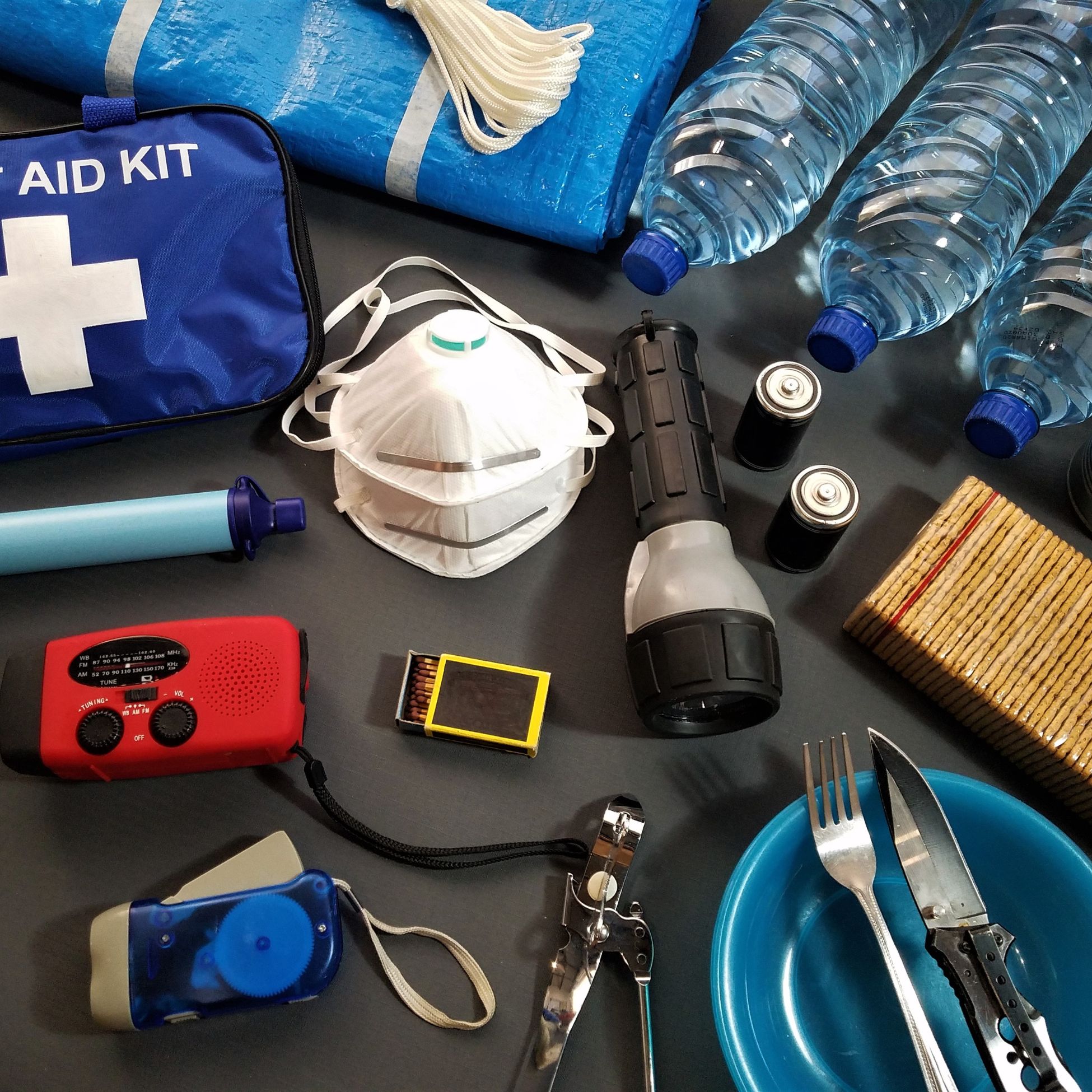
Emergency preparedness
Each outing must include:
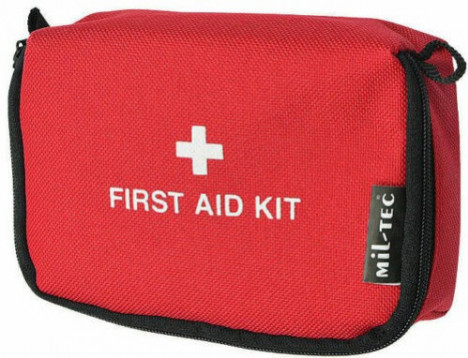
- A first aid kit adapted to the activity and number of participants
- An effective means of alert (phone, PLB beacon)
- A written emergency plan: contacts, meeting points, GPS coordinates
- Minimal group training: life-saving gestures, alert procedures
Collaboration with emergency services
To optimize professional intervention:
- Provide precise location (GPS coordinates, site description)
- Accident details and victim's condition
- Prepare the landing zone or facilitate access
- Assist with carrying or site securing
Conclusion
Rescue in isolated environments relies on the complementarity between practitioners' autonomy and professional rescue expertise. Mastering basic gestures, knowing how to use hiking equipment in emergency situations, and above all recognizing one's limits to trigger alerts in time are the keys to effective care.
For professionals, permanent adaptation to terrain constraints, autonomy management and resource coordination are essential.
The success of an intervention depends on preparation, training and the ability to work in synergy at each link in the rescue chain.
 The best equipment for pros and enthusiasts alike







 Professions